Carousel

Sponsored Links

Looking for House and Lot Within Tagaytay Area? CONTACT US!

Name

Email *

Message *

Showing posts with label Census. Show all posts

Wednesday, August 09, 2017

Acquiring Birth Certificate, Marriage Certificate, Death Certificate, and CENOMAR at The PSA Now Made Easier


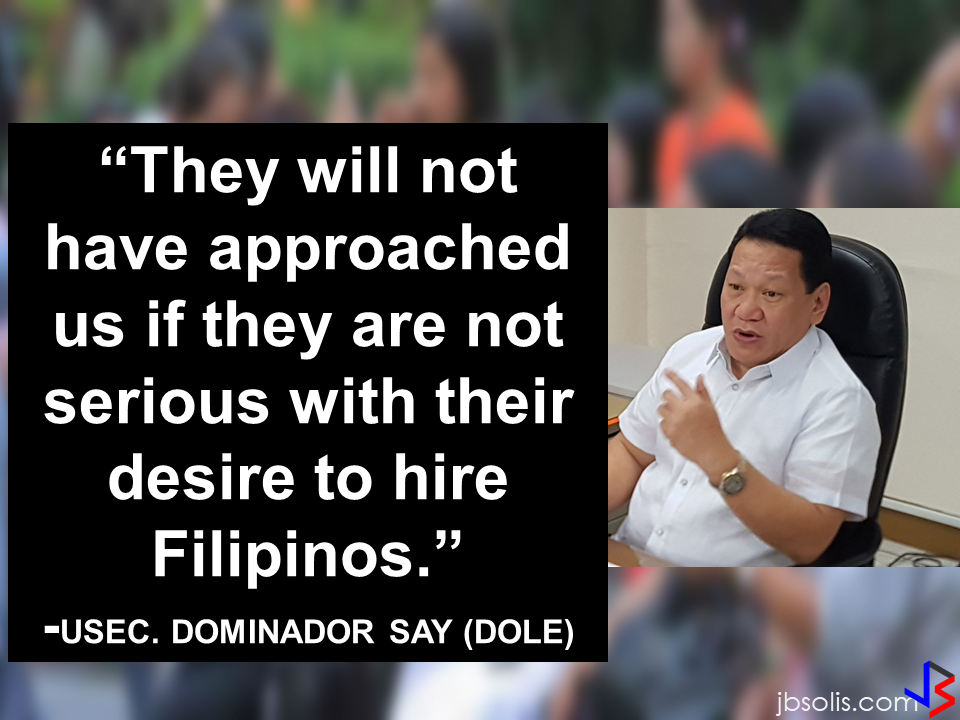
The days of waiting in long queues and processing is over. The process in getting your Birth Certificate, Marriage Certificate, Death Certificate, and Certificate of No Marriage (CENOMAR) has been made easy. You can even claim your document within hours. This is because of the computerized system that the Philippine Statistics Authority is presently using. You can get you documents by phone, online or going personally to the ir nearest office in your area. For walk-in applicants, all you need to do is to follow these easy steps:    Step 1. Application   Take an application form and fill-out the required information.   Step 2. Screening Proceed to the screeners' desk . This is where they check if the information you provided is readable and correctly done. They will mark it with "OK" if you are ready to proceed to the cashier.   Step 3. Payment Proceed to the cashier for the payment of your requested document. They will provide you with an official receipt indicating the release date of your document.   At the cashier you need to pay the following amount depending on the documents you requested.  Step 4.  Releasing If your request is not readily available due to some circumstances, you may need to present a request for processing which includes encoding, printing, sorting and releasing of the documents which may vary depending on the following cases:  Converted documents can be released on the same day. Unconverted and annotated documents means they do not have the record yet on their database and you may need to wait for 10 days for your requested document to be released. For the CENOMAR, you may need to wait for 4 working days for your document to be released.   There are not much requirements. All you need to do is the accomplished application form. Valid IDs are required for those who are requesting Birth Certificates. For those who are representing other people, you may need to present an authorization letter. For busy people who doesn't have time to visit the PSA Offices personally, you may do it online by visiting e-census.gov.ph or through telephone by calling PSA Hotline at 737-1111. Read More:  China's plans to hire Filipino household workers to their five major cities including Beijing and Shanghai, was reported at a local newspaper Philippine Star. it could be a big break for the household workers who are trying their luck in finding greener pastures by working overseas  China is offering up to P100,000  a month, or about HK$15,000. The existing minimum allowable wage for a foreign domestic helper in Hong Kong is  around HK$4,310 per month.  Dominador Say, undersecretary of the Department of Labor and Employment (DOLE), said that talks are underway with Chinese embassy officials on this possibility. China’s five major cities, including Beijing, Shanghai and Xiamen will soon be the haven for Filipino domestic workers who are seeking higher income.  DOLE is expected to have further negotiations on the launch date with a delegation from China in September.   according to Usec Say, Chinese employers favor Filipino domestic workers for their English proficiency, which allows them to teach their employers’ children.    Chinese embassy officials also mentioned that improving ties with the leadership of President Rodrigo Duterte has paved the way for the new policy to materialize.  There is presently a strict work visa system for foreign workers who want to enter mainland China. But according Usec. Say, China is serious about the proposal.   Philippine Labor Secretary Silvestre Bello said an estimated 200,000 Filipino domestic helpers are  presently working illegally in China. With a great demand for skilled domestic workers, Filipino OFWs would have an option to apply using legal processes on their desired higher salary for their sector. Source: ejinsight.com, PhilStar Read More:  The effectivity of the Nationwide Smoking Ban or  E.O. 26 (Providing for the Establishment of Smoke-free Environment in Public and Enclosed Places) started today, July 23, but only a few seems to be aware of it.  President Rodrigo Duterte signed the Executive Order 26 with the citizens health in mind. Presidential Spokesperson Ernesto Abella said the executive order is a milestone where the government prioritize public health protection.    The smoking ban includes smoking in places such as  schools, universities and colleges, playgrounds, restaurants and food preparation areas, basketball courts, stairwells, health centers, clinics, public and private hospitals, hotels, malls, elevators, taxis, buses, public utility jeepneys, ships, tricycles, trains, airplanes, and  gas stations which are prone to combustion. The Department of Health  urges all the establishments to post "no smoking" signs in compliance with the new executive order. They also appeal to the public to report any violation against the nationwide ban on smoking in public places.   Read More:          ©2017 THOUGHTSKOTO www.jbsolis.com SEARCH JBSOLIS, TYPE KEYWORDS and TITLE OF ARTICLE at the box below Smoking is only allowed in designated smoking areas to be provided by the owner of the establishment. Smoking in private vehicles parked in public areas is also prohibited. What Do You Need To know About The Nationwide Smoking Ban Violators will be fined P500 to P10,000, depending on their number of offenses, while owners of establishments caught violating the EO will face a fine of P5,000 or imprisonment of not more than 30 days. The Department of Health  urges all the establishments to post "no smoking" signs in compliance with the new executive order. They also appeal to the public to report any violation against the nationwide ban on smoking in public places.          ©2017 THOUGHTSKOTO  Dominador Say, undersecretary of the Department of Labor and Employment (DOLE), said that talks are underway with Chinese embassy officials on this possibility. China’s five major cities, including Beijing, Shanghai and Xiamen will soon be the destinfor Filipino domestic workers who are seeking higher income.     ©2017 THOUGHTSKOTO
The days of waiting in long queues and processing is over. The process in getting  Birth Certificate, Marriage Certificate, Death Certificate, and Certificate of No Marriage (CENOMAR) has been made easy. You can even claim your document within hours. This is because of the computerized system that the Philippine Statistics Authority is presently using.
You can get request your documents by phone, online or going personally to their nearest office in your area.

For walk-in applicants, all you need to do is to follow these easy steps: 
The days of waiting in long queues and processing is over. The process in getting your Birth Certificate, Marriage Certificate, Death Certificate, and Certificate of No Marriage (CENOMAR) has been made easy. You can even claim your document within hours. This is because of the computerized system that the Philippine Statistics Authority is presently using. You can get you documents by phone, online or going personally to the ir nearest office in your area. For walk-in applicants, all you need to do is to follow these easy steps:    Step 1. Application   Take an application form and fill-out the required information.   Step 2. Screening Proceed to the screeners' desk . This is where they check if the information you provided is readable and correctly done. They will mark it with "OK" if you are ready to proceed to the cashier.   Step 3. Payment Proceed to the cashier for the payment of your requested document. They will provide you with an official receipt indicating the release date of your document.   At the cashier you need to pay the following amount depending on the documents you requested.  Step 4.  Releasing If your request is not readily available due to some circumstances, you may need to present a request for processing which includes encoding, printing, sorting and releasing of the documents which may vary depending on the following cases:  Converted documents can be released on the same day. Unconverted and annotated documents means they do not have the record yet on their database and you may need to wait for 10 days for your requested document to be released. For the CENOMAR, you may need to wait for 4 working days for your document to be released.   There are not much requirements. All you need to do is the accomplished application form. Valid IDs are required for those who are requesting Birth Certificates. For those who are representing other people, you may need to present an authorization letter. For busy people who doesn't have time to visit the PSA Offices personally, you may do it online by visiting e-census.gov.ph or through telephone by calling PSA Hotline at 737-1111. Read More:  China's plans to hire Filipino household workers to their five major cities including Beijing and Shanghai, was reported at a local newspaper Philippine Star. it could be a big break for the household workers who are trying their luck in finding greener pastures by working overseas  China is offering up to P100,000  a month, or about HK$15,000. The existing minimum allowable wage for a foreign domestic helper in Hong Kong is  around HK$4,310 per month.  Dominador Say, undersecretary of the Department of Labor and Employment (DOLE), said that talks are underway with Chinese embassy officials on this possibility. China’s five major cities, including Beijing, Shanghai and Xiamen will soon be the haven for Filipino domestic workers who are seeking higher income.  DOLE is expected to have further negotiations on the launch date with a delegation from China in September.   according to Usec Say, Chinese employers favor Filipino domestic workers for their English proficiency, which allows them to teach their employers’ children.    Chinese embassy officials also mentioned that improving ties with the leadership of President Rodrigo Duterte has paved the way for the new policy to materialize.  There is presently a strict work visa system for foreign workers who want to enter mainland China. But according Usec. Say, China is serious about the proposal.   Philippine Labor Secretary Silvestre Bello said an estimated 200,000 Filipino domestic helpers are  presently working illegally in China. With a great demand for skilled domestic workers, Filipino OFWs would have an option to apply using legal processes on their desired higher salary for their sector. Source: ejinsight.com, PhilStar Read More:  The effectivity of the Nationwide Smoking Ban or  E.O. 26 (Providing for the Establishment of Smoke-free Environment in Public and Enclosed Places) started today, July 23, but only a few seems to be aware of it.  President Rodrigo Duterte signed the Executive Order 26 with the citizens health in mind. Presidential Spokesperson Ernesto Abella said the executive order is a milestone where the government prioritize public health protection.    The smoking ban includes smoking in places such as  schools, universities and colleges, playgrounds, restaurants and food preparation areas, basketball courts, stairwells, health centers, clinics, public and private hospitals, hotels, malls, elevators, taxis, buses, public utility jeepneys, ships, tricycles, trains, airplanes, and  gas stations which are prone to combustion. The Department of Health  urges all the establishments to post "no smoking" signs in compliance with the new executive order. They also appeal to the public to report any violation against the nationwide ban on smoking in public places.   Read More:          ©2017 THOUGHTSKOTO www.jbsolis.com SEARCH JBSOLIS, TYPE KEYWORDS and TITLE OF ARTICLE at the box below Smoking is only allowed in designated smoking areas to be provided by the owner of the establishment. Smoking in private vehicles parked in public areas is also prohibited. What Do You Need To know About The Nationwide Smoking Ban Violators will be fined P500 to P10,000, depending on their number of offenses, while owners of establishments caught violating the EO will face a fine of P5,000 or imprisonment of not more than 30 days. The Department of Health  urges all the establishments to post "no smoking" signs in compliance with the new executive order. They also appeal to the public to report any violation against the nationwide ban on smoking in public places.          ©2017 THOUGHTSKOTO  Dominador Say, undersecretary of the Department of Labor and Employment (DOLE), said that talks are underway with Chinese embassy officials on this possibility. China’s five major cities, including Beijing, Shanghai and Xiamen will soon be the destinfor Filipino domestic workers who are seeking higher income.     ©2017 THOUGHTSKOTO
 Step 1. Application
  Take an application form and fill-out the required information.
The days of waiting in long queues and processing is over. The process in getting your Birth Certificate, Marriage Certificate, Death Certificate, and Certificate of No Marriage (CENOMAR) has been made easy. You can even claim your document within hours. This is because of the computerized system that the Philippine Statistics Authority is presently using. You can get you documents by phone, online or going personally to the ir nearest office in your area. For walk-in applicants, all you need to do is to follow these easy steps:    Step 1. Application   Take an application form and fill-out the required information.   Step 2. Screening Proceed to the screeners' desk . This is where they check if the information you provided is readable and correctly done. They will mark it with "OK" if you are ready to proceed to the cashier.   Step 3. Payment Proceed to the cashier for the payment of your requested document. They will provide you with an official receipt indicating the release date of your document.   At the cashier you need to pay the following amount depending on the documents you requested.  Step 4.  Releasing If your request is not readily available due to some circumstances, you may need to present a request for processing which includes encoding, printing, sorting and releasing of the documents which may vary depending on the following cases:  Converted documents can be released on the same day. Unconverted and annotated documents means they do not have the record yet on their database and you may need to wait for 10 days for your requested document to be released. For the CENOMAR, you may need to wait for 4 working days for your document to be released.   There are not much requirements. All you need to do is the accomplished application form. Valid IDs are required for those who are requesting Birth Certificates. For those who are representing other people, you may need to present an authorization letter. For busy people who doesn't have time to visit the PSA Offices personally, you may do it online by visiting e-census.gov.ph or through telephone by calling PSA Hotline at 737-1111. Read More:  China's plans to hire Filipino household workers to their five major cities including Beijing and Shanghai, was reported at a local newspaper Philippine Star. it could be a big break for the household workers who are trying their luck in finding greener pastures by working overseas  China is offering up to P100,000  a month, or about HK$15,000. The existing minimum allowable wage for a foreign domestic helper in Hong Kong is  around HK$4,310 per month.  Dominador Say, undersecretary of the Department of Labor and Employment (DOLE), said that talks are underway with Chinese embassy officials on this possibility. China’s five major cities, including Beijing, Shanghai and Xiamen will soon be the haven for Filipino domestic workers who are seeking higher income.  DOLE is expected to have further negotiations on the launch date with a delegation from China in September.   according to Usec Say, Chinese employers favor Filipino domestic workers for their English proficiency, which allows them to teach their employers’ children.    Chinese embassy officials also mentioned that improving ties with the leadership of President Rodrigo Duterte has paved the way for the new policy to materialize.  There is presently a strict work visa system for foreign workers who want to enter mainland China. But according Usec. Say, China is serious about the proposal.   Philippine Labor Secretary Silvestre Bello said an estimated 200,000 Filipino domestic helpers are  presently working illegally in China. With a great demand for skilled domestic workers, Filipino OFWs would have an option to apply using legal processes on their desired higher salary for their sector. Source: ejinsight.com, PhilStar Read More:  The effectivity of the Nationwide Smoking Ban or  E.O. 26 (Providing for the Establishment of Smoke-free Environment in Public and Enclosed Places) started today, July 23, but only a few seems to be aware of it.  President Rodrigo Duterte signed the Executive Order 26 with the citizens health in mind. Presidential Spokesperson Ernesto Abella said the executive order is a milestone where the government prioritize public health protection.    The smoking ban includes smoking in places such as  schools, universities and colleges, playgrounds, restaurants and food preparation areas, basketball courts, stairwells, health centers, clinics, public and private hospitals, hotels, malls, elevators, taxis, buses, public utility jeepneys, ships, tricycles, trains, airplanes, and  gas stations which are prone to combustion. The Department of Health  urges all the establishments to post "no smoking" signs in compliance with the new executive order. They also appeal to the public to report any violation against the nationwide ban on smoking in public places.   Read More:          ©2017 THOUGHTSKOTO www.jbsolis.com SEARCH JBSOLIS, TYPE KEYWORDS and TITLE OF ARTICLE at the box below Smoking is only allowed in designated smoking areas to be provided by the owner of the establishment. Smoking in private vehicles parked in public areas is also prohibited. What Do You Need To know About The Nationwide Smoking Ban Violators will be fined P500 to P10,000, depending on their number of offenses, while owners of establishments caught violating the EO will face a fine of P5,000 or imprisonment of not more than 30 days. The Department of Health  urges all the establishments to post "no smoking" signs in compliance with the new executive order. They also appeal to the public to report any violation against the nationwide ban on smoking in public places.          ©2017 THOUGHTSKOTO  Dominador Say, undersecretary of the Department of Labor and Employment (DOLE), said that talks are underway with Chinese embassy officials on this possibility. China’s five major cities, including Beijing, Shanghai and Xiamen will soon be the destinfor Filipino domestic workers who are seeking higher income.     ©2017 THOUGHTSKOTO
 Step 2. Screening
Proceed to the screeners' desk . This is where they check if the information you provided is readable and correctly done. They will mark it with "OK" if you are ready to proceed to the cashier.
The days of waiting in long queues and processing is over. The process in getting your Birth Certificate, Marriage Certificate, Death Certificate, and Certificate of No Marriage (CENOMAR) has been made easy. You can even claim your document within hours. This is because of the computerized system that the Philippine Statistics Authority is presently using. You can get you documents by phone, online or going personally to the ir nearest office in your area. For walk-in applicants, all you need to do is to follow these easy steps:    Step 1. Application   Take an application form and fill-out the required information.   Step 2. Screening Proceed to the screeners' desk . This is where they check if the information you provided is readable and correctly done. They will mark it with "OK" if you are ready to proceed to the cashier.   Step 3. Payment Proceed to the cashier for the payment of your requested document. They will provide you with an official receipt indicating the release date of your document.   At the cashier you need to pay the following amount depending on the documents you requested.  Step 4.  Releasing If your request is not readily available due to some circumstances, you may need to present a request for processing which includes encoding, printing, sorting and releasing of the documents which may vary depending on the following cases:  Converted documents can be released on the same day. Unconverted and annotated documents means they do not have the record yet on their database and you may need to wait for 10 days for your requested document to be released. For the CENOMAR, you may need to wait for 4 working days for your document to be released.   There are not much requirements. All you need to do is the accomplished application form. Valid IDs are required for those who are requesting Birth Certificates. For those who are representing other people, you may need to present an authorization letter. For busy people who doesn't have time to visit the PSA Offices personally, you may do it online by visiting e-census.gov.ph or through telephone by calling PSA Hotline at 737-1111. Read More:  China's plans to hire Filipino household workers to their five major cities including Beijing and Shanghai, was reported at a local newspaper Philippine Star. it could be a big break for the household workers who are trying their luck in finding greener pastures by working overseas  China is offering up to P100,000  a month, or about HK$15,000. The existing minimum allowable wage for a foreign domestic helper in Hong Kong is  around HK$4,310 per month.  Dominador Say, undersecretary of the Department of Labor and Employment (DOLE), said that talks are underway with Chinese embassy officials on this possibility. China’s five major cities, including Beijing, Shanghai and Xiamen will soon be the haven for Filipino domestic workers who are seeking higher income.  DOLE is expected to have further negotiations on the launch date with a delegation from China in September.   according to Usec Say, Chinese employers favor Filipino domestic workers for their English proficiency, which allows them to teach their employers’ children.    Chinese embassy officials also mentioned that improving ties with the leadership of President Rodrigo Duterte has paved the way for the new policy to materialize.  There is presently a strict work visa system for foreign workers who want to enter mainland China. But according Usec. Say, China is serious about the proposal.   Philippine Labor Secretary Silvestre Bello said an estimated 200,000 Filipino domestic helpers are  presently working illegally in China. With a great demand for skilled domestic workers, Filipino OFWs would have an option to apply using legal processes on their desired higher salary for their sector. Source: ejinsight.com, PhilStar Read More:  The effectivity of the Nationwide Smoking Ban or  E.O. 26 (Providing for the Establishment of Smoke-free Environment in Public and Enclosed Places) started today, July 23, but only a few seems to be aware of it.  President Rodrigo Duterte signed the Executive Order 26 with the citizens health in mind. Presidential Spokesperson Ernesto Abella said the executive order is a milestone where the government prioritize public health protection.    The smoking ban includes smoking in places such as  schools, universities and colleges, playgrounds, restaurants and food preparation areas, basketball courts, stairwells, health centers, clinics, public and private hospitals, hotels, malls, elevators, taxis, buses, public utility jeepneys, ships, tricycles, trains, airplanes, and  gas stations which are prone to combustion. The Department of Health  urges all the establishments to post "no smoking" signs in compliance with the new executive order. They also appeal to the public to report any violation against the nationwide ban on smoking in public places.   Read More:          ©2017 THOUGHTSKOTO www.jbsolis.com SEARCH JBSOLIS, TYPE KEYWORDS and TITLE OF ARTICLE at the box below Smoking is only allowed in designated smoking areas to be provided by the owner of the establishment. Smoking in private vehicles parked in public areas is also prohibited. What Do You Need To know About The Nationwide Smoking Ban Violators will be fined P500 to P10,000, depending on their number of offenses, while owners of establishments caught violating the EO will face a fine of P5,000 or imprisonment of not more than 30 days. The Department of Health  urges all the establishments to post "no smoking" signs in compliance with the new executive order. They also appeal to the public to report any violation against the nationwide ban on smoking in public places.          ©2017 THOUGHTSKOTO  Dominador Say, undersecretary of the Department of Labor and Employment (DOLE), said that talks are underway with Chinese embassy officials on this possibility. China’s five major cities, including Beijing, Shanghai and Xiamen will soon be the destinfor Filipino domestic workers who are seeking higher income.     ©2017 THOUGHTSKOTO
 Step 3. Payment
Proceed to the cashier for the payment of your requested document. They will provide you with an official receipt indicating the release date of your document.
The days of waiting in long queues and processing is over. The process in getting your Birth Certificate, Marriage Certificate, Death Certificate, and Certificate of No Marriage (CENOMAR) has been made easy. You can even claim your document within hours. This is because of the computerized system that the Philippine Statistics Authority is presently using. You can get you documents by phone, online or going personally to the ir nearest office in your area. For walk-in applicants, all you need to do is to follow these easy steps:    Step 1. Application   Take an application form and fill-out the required information.   Step 2. Screening Proceed to the screeners' desk . This is where they check if the information you provided is readable and correctly done. They will mark it with "OK" if you are ready to proceed to the cashier.   Step 3. Payment Proceed to the cashier for the payment of your requested document. They will provide you with an official receipt indicating the release date of your document.   At the cashier you need to pay the following amount depending on the documents you requested.  Step 4.  Releasing If your request is not readily available due to some circumstances, you may need to present a request for processing which includes encoding, printing, sorting and releasing of the documents which may vary depending on the following cases:  Converted documents can be released on the same day. Unconverted and annotated documents means they do not have the record yet on their database and you may need to wait for 10 days for your requested document to be released. For the CENOMAR, you may need to wait for 4 working days for your document to be released.   There are not much requirements. All you need to do is the accomplished application form. Valid IDs are required for those who are requesting Birth Certificates. For those who are representing other people, you may need to present an authorization letter. For busy people who doesn't have time to visit the PSA Offices personally, you may do it online by visiting e-census.gov.ph or through telephone by calling PSA Hotline at 737-1111. Read More:  China's plans to hire Filipino household workers to their five major cities including Beijing and Shanghai, was reported at a local newspaper Philippine Star. it could be a big break for the household workers who are trying their luck in finding greener pastures by working overseas  China is offering up to P100,000  a month, or about HK$15,000. The existing minimum allowable wage for a foreign domestic helper in Hong Kong is  around HK$4,310 per month.  Dominador Say, undersecretary of the Department of Labor and Employment (DOLE), said that talks are underway with Chinese embassy officials on this possibility. China’s five major cities, including Beijing, Shanghai and Xiamen will soon be the haven for Filipino domestic workers who are seeking higher income.  DOLE is expected to have further negotiations on the launch date with a delegation from China in September.   according to Usec Say, Chinese employers favor Filipino domestic workers for their English proficiency, which allows them to teach their employers’ children.    Chinese embassy officials also mentioned that improving ties with the leadership of President Rodrigo Duterte has paved the way for the new policy to materialize.  There is presently a strict work visa system for foreign workers who want to enter mainland China. But according Usec. Say, China is serious about the proposal.   Philippine Labor Secretary Silvestre Bello said an estimated 200,000 Filipino domestic helpers are  presently working illegally in China. With a great demand for skilled domestic workers, Filipino OFWs would have an option to apply using legal processes on their desired higher salary for their sector. Source: ejinsight.com, PhilStar Read More:  The effectivity of the Nationwide Smoking Ban or  E.O. 26 (Providing for the Establishment of Smoke-free Environment in Public and Enclosed Places) started today, July 23, but only a few seems to be aware of it.  President Rodrigo Duterte signed the Executive Order 26 with the citizens health in mind. Presidential Spokesperson Ernesto Abella said the executive order is a milestone where the government prioritize public health protection.    The smoking ban includes smoking in places such as  schools, universities and colleges, playgrounds, restaurants and food preparation areas, basketball courts, stairwells, health centers, clinics, public and private hospitals, hotels, malls, elevators, taxis, buses, public utility jeepneys, ships, tricycles, trains, airplanes, and  gas stations which are prone to combustion. The Department of Health  urges all the establishments to post "no smoking" signs in compliance with the new executive order. They also appeal to the public to report any violation against the nationwide ban on smoking in public places.   Read More:          ©2017 THOUGHTSKOTO www.jbsolis.com SEARCH JBSOLIS, TYPE KEYWORDS and TITLE OF ARTICLE at the box below Smoking is only allowed in designated smoking areas to be provided by the owner of the establishment. Smoking in private vehicles parked in public areas is also prohibited. What Do You Need To know About The Nationwide Smoking Ban Violators will be fined P500 to P10,000, depending on their number of offenses, while owners of establishments caught violating the EO will face a fine of P5,000 or imprisonment of not more than 30 days. The Department of Health  urges all the establishments to post "no smoking" signs in compliance with the new executive order. They also appeal to the public to report any violation against the nationwide ban on smoking in public places.          ©2017 THOUGHTSKOTO  Dominador Say, undersecretary of the Department of Labor and Employment (DOLE), said that talks are underway with Chinese embassy officials on this possibility. China’s five major cities, including Beijing, Shanghai and Xiamen will soon be the destinfor Filipino domestic workers who are seeking higher income.     ©2017 THOUGHTSKOTO
 At the cashier you need to pay the following amount depending on the documents you requested.
The days of waiting in long queues and processing is over. The process in getting your Birth Certificate, Marriage Certificate, Death Certificate, and Certificate of No Marriage (CENOMAR) has been made easy. You can even claim your document within hours. This is because of the computerized system that the Philippine Statistics Authority is presently using. You can get you documents by phone, online or going personally to the ir nearest office in your area. For walk-in applicants, all you need to do is to follow these easy steps:    Step 1. Application   Take an application form and fill-out the required information.   Step 2. Screening Proceed to the screeners' desk . This is where they check if the information you provided is readable and correctly done. They will mark it with "OK" if you are ready to proceed to the cashier.   Step 3. Payment Proceed to the cashier for the payment of your requested document. They will provide you with an official receipt indicating the release date of your document.   At the cashier you need to pay the following amount depending on the documents you requested.  Step 4.  Releasing If your request is not readily available due to some circumstances, you may need to present a request for processing which includes encoding, printing, sorting and releasing of the documents which may vary depending on the following cases:  Converted documents can be released on the same day. Unconverted and annotated documents means they do not have the record yet on their database and you may need to wait for 10 days for your requested document to be released. For the CENOMAR, you may need to wait for 4 working days for your document to be released.   There are not much requirements. All you need to do is the accomplished application form. Valid IDs are required for those who are requesting Birth Certificates. For those who are representing other people, you may need to present an authorization letter. For busy people who doesn't have time to visit the PSA Offices personally, you may do it online by visiting e-census.gov.ph or through telephone by calling PSA Hotline at 737-1111. Read More:  China's plans to hire Filipino household workers to their five major cities including Beijing and Shanghai, was reported at a local newspaper Philippine Star. it could be a big break for the household workers who are trying their luck in finding greener pastures by working overseas  China is offering up to P100,000  a month, or about HK$15,000. The existing minimum allowable wage for a foreign domestic helper in Hong Kong is  around HK$4,310 per month.  Dominador Say, undersecretary of the Department of Labor and Employment (DOLE), said that talks are underway with Chinese embassy officials on this possibility. China’s five major cities, including Beijing, Shanghai and Xiamen will soon be the haven for Filipino domestic workers who are seeking higher income.  DOLE is expected to have further negotiations on the launch date with a delegation from China in September.   according to Usec Say, Chinese employers favor Filipino domestic workers for their English proficiency, which allows them to teach their employers’ children.    Chinese embassy officials also mentioned that improving ties with the leadership of President Rodrigo Duterte has paved the way for the new policy to materialize.  There is presently a strict work visa system for foreign workers who want to enter mainland China. But according Usec. Say, China is serious about the proposal.   Philippine Labor Secretary Silvestre Bello said an estimated 200,000 Filipino domestic helpers are  presently working illegally in China. With a great demand for skilled domestic workers, Filipino OFWs would have an option to apply using legal processes on their desired higher salary for their sector. Source: ejinsight.com, PhilStar Read More:  The effectivity of the Nationwide Smoking Ban or  E.O. 26 (Providing for the Establishment of Smoke-free Environment in Public and Enclosed Places) started today, July 23, but only a few seems to be aware of it.  President Rodrigo Duterte signed the Executive Order 26 with the citizens health in mind. Presidential Spokesperson Ernesto Abella said the executive order is a milestone where the government prioritize public health protection.    The smoking ban includes smoking in places such as  schools, universities and colleges, playgrounds, restaurants and food preparation areas, basketball courts, stairwells, health centers, clinics, public and private hospitals, hotels, malls, elevators, taxis, buses, public utility jeepneys, ships, tricycles, trains, airplanes, and  gas stations which are prone to combustion. The Department of Health  urges all the establishments to post "no smoking" signs in compliance with the new executive order. They also appeal to the public to report any violation against the nationwide ban on smoking in public places.   Read More:          ©2017 THOUGHTSKOTO www.jbsolis.com SEARCH JBSOLIS, TYPE KEYWORDS and TITLE OF ARTICLE at the box below Smoking is only allowed in designated smoking areas to be provided by the owner of the establishment. Smoking in private vehicles parked in public areas is also prohibited. What Do You Need To know About The Nationwide Smoking Ban Violators will be fined P500 to P10,000, depending on their number of offenses, while owners of establishments caught violating the EO will face a fine of P5,000 or imprisonment of not more than 30 days. The Department of Health  urges all the establishments to post "no smoking" signs in compliance with the new executive order. They also appeal to the public to report any violation against the nationwide ban on smoking in public places.          ©2017 THOUGHTSKOTO  Dominador Say, undersecretary of the Department of Labor and Employment (DOLE), said that talks are underway with Chinese embassy officials on this possibility. China’s five major cities, including Beijing, Shanghai and Xiamen will soon be the destinfor Filipino domestic workers who are seeking higher income.     ©2017 THOUGHTSKOTO
Step 4.  Releasing
If your request is not readily available due to some circumstances, you may need to present a request for processing which includes encoding, printing, sorting and releasing of the documents which may vary depending on the following cases:

Converted documents can be released on the same day.
Unconverted and annotated documents means they do not have the record yet on their database and you may need to wait for 10 days for your requested document to be released.
For the CENOMAR, you may need to wait for 4 working days for your document to be released.

The days of waiting in long queues and processing is over. The process in getting your Birth Certificate, Marriage Certificate, Death Certificate, and Certificate of No Marriage (CENOMAR) has been made easy. You can even claim your document within hours. This is because of the computerized system that the Philippine Statistics Authority is presently using. You can get you documents by phone, online or going personally to the ir nearest office in your area. For walk-in applicants, all you need to do is to follow these easy steps:    Step 1. Application   Take an application form and fill-out the required information.   Step 2. Screening Proceed to the screeners' desk . This is where they check if the information you provided is readable and correctly done. They will mark it with "OK" if you are ready to proceed to the cashier.   Step 3. Payment Proceed to the cashier for the payment of your requested document. They will provide you with an official receipt indicating the release date of your document.   At the cashier you need to pay the following amount depending on the documents you requested.  Step 4.  Releasing If your request is not readily available due to some circumstances, you may need to present a request for processing which includes encoding, printing, sorting and releasing of the documents which may vary depending on the following cases:  Converted documents can be released on the same day. Unconverted and annotated documents means they do not have the record yet on their database and you may need to wait for 10 days for your requested document to be released. For the CENOMAR, you may need to wait for 4 working days for your document to be released.   There are not much requirements. All you need to do is the accomplished application form. Valid IDs are required for those who are requesting Birth Certificates. For those who are representing other people, you may need to present an authorization letter. For busy people who doesn't have time to visit the PSA Offices personally, you may do it online by visiting e-census.gov.ph or through telephone by calling PSA Hotline at 737-1111. Read More:  China's plans to hire Filipino household workers to their five major cities including Beijing and Shanghai, was reported at a local newspaper Philippine Star. it could be a big break for the household workers who are trying their luck in finding greener pastures by working overseas  China is offering up to P100,000  a month, or about HK$15,000. The existing minimum allowable wage for a foreign domestic helper in Hong Kong is  around HK$4,310 per month.  Dominador Say, undersecretary of the Department of Labor and Employment (DOLE), said that talks are underway with Chinese embassy officials on this possibility. China’s five major cities, including Beijing, Shanghai and Xiamen will soon be the haven for Filipino domestic workers who are seeking higher income.  DOLE is expected to have further negotiations on the launch date with a delegation from China in September.   according to Usec Say, Chinese employers favor Filipino domestic workers for their English proficiency, which allows them to teach their employers’ children.    Chinese embassy officials also mentioned that improving ties with the leadership of President Rodrigo Duterte has paved the way for the new policy to materialize.  There is presently a strict work visa system for foreign workers who want to enter mainland China. But according Usec. Say, China is serious about the proposal.   Philippine Labor Secretary Silvestre Bello said an estimated 200,000 Filipino domestic helpers are  presently working illegally in China. With a great demand for skilled domestic workers, Filipino OFWs would have an option to apply using legal processes on their desired higher salary for their sector. Source: ejinsight.com, PhilStar Read More:  The effectivity of the Nationwide Smoking Ban or  E.O. 26 (Providing for the Establishment of Smoke-free Environment in Public and Enclosed Places) started today, July 23, but only a few seems to be aware of it.  President Rodrigo Duterte signed the Executive Order 26 with the citizens health in mind. Presidential Spokesperson Ernesto Abella said the executive order is a milestone where the government prioritize public health protection.    The smoking ban includes smoking in places such as  schools, universities and colleges, playgrounds, restaurants and food preparation areas, basketball courts, stairwells, health centers, clinics, public and private hospitals, hotels, malls, elevators, taxis, buses, public utility jeepneys, ships, tricycles, trains, airplanes, and  gas stations which are prone to combustion. The Department of Health  urges all the establishments to post "no smoking" signs in compliance with the new executive order. They also appeal to the public to report any violation against the nationwide ban on smoking in public places.   Read More:          ©2017 THOUGHTSKOTO www.jbsolis.com SEARCH JBSOLIS, TYPE KEYWORDS and TITLE OF ARTICLE at the box below Smoking is only allowed in designated smoking areas to be provided by the owner of the establishment. Smoking in private vehicles parked in public areas is also prohibited. What Do You Need To know About The Nationwide Smoking Ban Violators will be fined P500 to P10,000, depending on their number of offenses, while owners of establishments caught violating the EO will face a fine of P5,000 or imprisonment of not more than 30 days. The Department of Health  urges all the establishments to post "no smoking" signs in compliance with the new executive order. They also appeal to the public to report any violation against the nationwide ban on smoking in public places.          ©2017 THOUGHTSKOTO  Dominador Say, undersecretary of the Department of Labor and Employment (DOLE), said that talks are underway with Chinese embassy officials on this possibility. China’s five major cities, including Beijing, Shanghai and Xiamen will soon be the destinfor Filipino domestic workers who are seeking higher income.     ©2017 THOUGHTSKOTO
There are not much requirements. All you need to do is the accomplished application form. Valid IDs are required for those who are requesting Birth Certificates. For those who are representing other people, you may need to present an authorization letter.

For busy people who doesn't have time to visit the PSA Offices personally, you may do it online by visiting e-census.gov.ph or through telephone by calling PSA Hotline at 737-1111.


©2017 THOUGHTSKOTO
SEARCH JBSOLIS, TYPE KEYWORDS and TITLE OF ARTICLE at the box below

Monday, July 10, 2017

With Tagalog: Which Last Name Should An Illegitimate Child Use And How To Use The Father's Surname?

In September of 1990, the United Nations General Assembly approved and adopted the Declaration of the Rights of the Child. Among the rights of a child acknowledged is the right of the child to preserve his or her identity, including nationality, name and family relations as recognized by law without unlawful interference.  The Philippines, as signatory to this declaration, has done its share to promote this right, especially in cases where the child is considered illegitimate by law. Who are considered illegitimate children in the Philippines? Children born to couples who are not legally married or of common-law marriages; Children born of incestuous, bigamous, or adulterous relations; Children born of void marriages; Children born of couples below 18, even if they are married (which is actually void).  So in a case where a child is born out of wedlock, which surname should be given to him/her?  Over the years, the law on illegitimate children's surname has shifted several times - pre-EDSA Revolution, in 1988, and lastly in 2004. Here are the following basic principles.   Born before August 3, 1988: Prior to the Family Code (1988), an illegitimate child has the right to bear the surname of the parent recognizing him. Recognition shall be made in the record of birth, a will, statement before a record, or in any authentic writing. If recognition is made by only one of the parents, he or she shall not reveal the name of the person with whom he or she had the child.  An illegitimate child who is not recognized or acknowledged by both parents in accordance with law shall be registered under the surname of the mother.   Born on or after August 3, 1988 up to March 18, 2004: By law, an illegitimate child shall use the surname of the mother. The father of an illegitimate child who wishes to have his name indicated in the Certificate of Live Birth shall execute an affidavit of Admission of Paternity in lieu of the affidavit of acknowledgement. The purpose of affidavit of admission of paternity is for the support and succession only, and it does not automatically entitle the illegitimate child to use the surname of his father.   Born from March 19, 2004 up to present: According to Republic Act No. 9255, illegitimate children shall shall be under the parental authority of their mother, and shall be entitled to child support from the father.  Illegitimate children may use the surname of their father if the paternity is established by any of the following: filiation has been expressly recognized by the father through the record of birth appearing in the civil register - Certificate of Live Birth or Municipal Form No. 102; when an admission in a public document or private handwritten instrument is made and duly signed by the father; any other means of establishing paternity as allowed by the Rules of Court and special laws. For those born from August 3, 1988 to March 18, 2004, the rules of RA 9255 stated above cannot be used by the child until after a court decision.  So what is the right and legal process for an illegitimate child to use his or her father's surname?  Terms to Remember:  Certificate of Live Birth (COLB) - for children born in the Philippines Report of Birth (ROB) - for children born outside the Philippines Affidavit to Use the Surname of the Father (AUSF) Private Handwritten Instrument (PHI) Local Civil Registry Office (LCRO) Philippine Foreign Service Post (PFSP) - Philippine embassies , missions , consulates general.   What to File? The following documents shall be filed at the LCRO or PFSP for registration:  Certificate of Live Birth (COLB)/Report of Birth (ROB) if available Affidavit of Admission of Paternity Private Handwritten Instrument (PHI) Affidavit to Use the Surname of the Father (AUSF)   Who may file? The following persons are authorized to file at the LCRO or PFSP:  The father, mother, the person himself , if of age, or the guardian,  may file the Affidavit of Admission of Paternity. The father , mother, the person himself, if of age, or the guardian , may file the AUSF. The father shall personally file the PHI, if  the proof of filiation is through a PHI, at the  LCRO/PFSP for registration. The mother, the person himself, if of age, or the guardian, may file the PHI if the father is already deceased. The PHI can be accepted provided there are supporting documents to prove filiation.   Where to register?  For births that occur in the Philippines, the Affidavit of Admission of Paternity, PHI or AUSF executed in the Philippines shall be registered at the LCRO of the place of birth. For births that occur within or outside the Philippines, the Affidavit of Admission of Paternity, PHI or AUSF executed outside the Philippines shall be registered at the PFSP of the country of residence, or where there is none, to the PFSP of the country nearest the place of residence of the party concerned. For births that occur outside the Philippines, the Affidavit of Admission of Paternity, PHI or AUSF executed in the Philippines shall be registered at the LCRO of the place of execution.    When to Register?   The Affidavit of Admission of Paternity, PHI,  or the AUSF shall be registered within twenty (20) days from the date of execution, otherwise, the rules on late registration of birth will apply.   How to Register?  The City/Municipal Civil Registrar (C/MCR) or the Consul General (CG) shall accept and examine the completeness and correctness of entries in the COLB/ROB, and the supporting documents . If there are inconsistencies, the C/MCR or Consul General will not accept the documents for registration. The C/MCR or the CG shall record the entries of the COLB/ROB in the Register of Births, Affidavit of Admission of Paternity, PHI and the AUSF in the Register of Legal Instruments. The C/MCR or the CG shall annotate the COLB/ROB and enter the annotation on the  Remarks portion of the Register of Births. The C/MCR or the CG shall distribute the annotated COLB/ROB, registered  Affidavit  of Admission of Paternity, AUSF, or PHI including any supporting document as follows:  first copy to the CRG; second copy to the LCRO/PFSP where the event was registered; third copy to the registrant/owner of the document; fourth copy shall be retained for filing by the LCRO/PFSP. The C/MCR or the CG shall issue certified copies of COLB/ROB with annotations and certified copies of the Affidavit of Admission of Paternity, AUSF, and PHI.  Conditions to Remember: As a rule, an illegitimate child not acknowledged by the father shall use the surname of the mother. Illegitimate child acknowledged by the father shall  use the surname of the mother if no AUSF is executed. An illegitimate child aged 0-6 years  old acknowledged  by the father shall  use the surname of the father, if the mother or the guardian , in the absence of the mother , executes the AUSF. An illegitimate child aged 7 to 17 years old acknowledged by the father shall use the surname of the father if the child executes an AUSF fully aware of  its consequence  as attested  by the  mother or guardian. Upon reaching the age of majority, an illegitimate child acknowledged by the  father shall use the surname of his father  provided that  he executes an AUSF without need of any attestation.


In September of 1990, the United Nations General Assembly approved and adopted the Declaration of the Rights of the Child. Among the rights of a child acknowledged is the right of the child to preserve his or her identity, including nationality, name and family relations as recognized by law without unlawful interference.

The Philippines, as signatory to this declaration, has done its share to promote this right, especially in cases where the child is considered illegitimate by law. Who are considered illegitimate children in the Philippines?

  • Children born to couples who are not legally married or of common-law marriages;
  • Children born of incestuous, bigamous, or adulterous relations;
  • Children born of void marriages;
  • Children born of couples below 18, even if they are married (which is actually void).
So in a case where a child is born out of wedlock, which surname should be given to him/her?

Over the years, the law on illegitimate children's surname has shifted several times: pre-EDSA Revolution, in 1988, and lastly in 2004. Here are the following basic principles.


Born before August 3, 1988:
Prior to the Family Code (1988), an illegitimate child has the right to bear the surname of the parent recognizing him. Recognition shall be made in the record of birth, a will, statement before a record, or in any authentic writing. If recognition is made by only one of the parents, he or she shall not reveal the name of the person with whom he or she had the child.

An illegitimate child who is not recognized or acknowledged by both parents in accordance with law shall be registered under the surname of the mother.

In September of 1990, the United Nations General Assembly approved and adopted the Declaration of the Rights of the Child. Among the rights of a child acknowledged is the right of the child to preserve his or her identity, including nationality, name and family relations as recognized by law without unlawful interference.  The Philippines, as signatory to this declaration, has done its share to promote this right, especially in cases where the child is considered illegitimate by law. Who are considered illegitimate children in the Philippines? Children born to couples who are not legally married or of common-law marriages; Children born of incestuous, bigamous, or adulterous relations; Children born of void marriages; Children born of couples below 18, even if they are married (which is actually void).  So in a case where a child is born out of wedlock, which surname should be given to him/her?  Over the years, the law on illegitimate children's surname has shifted several times - pre-EDSA Revolution, in 1988, and lastly in 2004. Here are the following basic principles.   Born before August 3, 1988: Prior to the Family Code (1988), an illegitimate child has the right to bear the surname of the parent recognizing him. Recognition shall be made in the record of birth, a will, statement before a record, or in any authentic writing. If recognition is made by only one of the parents, he or she shall not reveal the name of the person with whom he or she had the child.  An illegitimate child who is not recognized or acknowledged by both parents in accordance with law shall be registered under the surname of the mother.   Born on or after August 3, 1988 up to March 18, 2004: By law, an illegitimate child shall use the surname of the mother. The father of an illegitimate child who wishes to have his name indicated in the Certificate of Live Birth shall execute an affidavit of Admission of Paternity in lieu of the affidavit of acknowledgement. The purpose of affidavit of admission of paternity is for the support and succession only, and it does not automatically entitle the illegitimate child to use the surname of his father.   Born from March 19, 2004 up to present: According to Republic Act No. 9255, illegitimate children shall shall be under the parental authority of their mother, and shall be entitled to child support from the father.  Illegitimate children may use the surname of their father if the paternity is established by any of the following: filiation has been expressly recognized by the father through the record of birth appearing in the civil register - Certificate of Live Birth or Municipal Form No. 102; when an admission in a public document or private handwritten instrument is made and duly signed by the father; any other means of establishing paternity as allowed by the Rules of Court and special laws. For those born from August 3, 1988 to March 18, 2004, the rules of RA 9255 stated above cannot be used by the child until after a court decision.  So what is the right and legal process for an illegitimate child to use his or her father's surname?  Terms to Remember:  Certificate of Live Birth (COLB) - for children born in the Philippines Report of Birth (ROB) - for children born outside the Philippines Affidavit to Use the Surname of the Father (AUSF) Private Handwritten Instrument (PHI) Local Civil Registry Office (LCRO) Philippine Foreign Service Post (PFSP) - Philippine embassies , missions , consulates general.   What to File? The following documents shall be filed at the LCRO or PFSP for registration:  Certificate of Live Birth (COLB)/Report of Birth (ROB) if available Affidavit of Admission of Paternity Private Handwritten Instrument (PHI) Affidavit to Use the Surname of the Father (AUSF)   Who may file? The following persons are authorized to file at the LCRO or PFSP:  The father, mother, the person himself , if of age, or the guardian,  may file the Affidavit of Admission of Paternity. The father , mother, the person himself, if of age, or the guardian , may file the AUSF. The father shall personally file the PHI, if  the proof of filiation is through a PHI, at the  LCRO/PFSP for registration. The mother, the person himself, if of age, or the guardian, may file the PHI if the father is already deceased. The PHI can be accepted provided there are supporting documents to prove filiation.   Where to register?  For births that occur in the Philippines, the Affidavit of Admission of Paternity, PHI or AUSF executed in the Philippines shall be registered at the LCRO of the place of birth. For births that occur within or outside the Philippines, the Affidavit of Admission of Paternity, PHI or AUSF executed outside the Philippines shall be registered at the PFSP of the country of residence, or where there is none, to the PFSP of the country nearest the place of residence of the party concerned. For births that occur outside the Philippines, the Affidavit of Admission of Paternity, PHI or AUSF executed in the Philippines shall be registered at the LCRO of the place of execution.    When to Register?   The Affidavit of Admission of Paternity, PHI,  or the AUSF shall be registered within twenty (20) days from the date of execution, otherwise, the rules on late registration of birth will apply.   How to Register?  The City/Municipal Civil Registrar (C/MCR) or the Consul General (CG) shall accept and examine the completeness and correctness of entries in the COLB/ROB, and the supporting documents . If there are inconsistencies, the C/MCR or Consul General will not accept the documents for registration. The C/MCR or the CG shall record the entries of the COLB/ROB in the Register of Births, Affidavit of Admission of Paternity, PHI and the AUSF in the Register of Legal Instruments. The C/MCR or the CG shall annotate the COLB/ROB and enter the annotation on the  Remarks portion of the Register of Births. The C/MCR or the CG shall distribute the annotated COLB/ROB, registered  Affidavit  of Admission of Paternity, AUSF, or PHI including any supporting document as follows:  first copy to the CRG; second copy to the LCRO/PFSP where the event was registered; third copy to the registrant/owner of the document; fourth copy shall be retained for filing by the LCRO/PFSP. The C/MCR or the CG shall issue certified copies of COLB/ROB with annotations and certified copies of the Affidavit of Admission of Paternity, AUSF, and PHI.  Conditions to Remember: As a rule, an illegitimate child not acknowledged by the father shall use the surname of the mother. Illegitimate child acknowledged by the father shall  use the surname of the mother if no AUSF is executed. An illegitimate child aged 0-6 years  old acknowledged  by the father shall  use the surname of the father, if the mother or the guardian , in the absence of the mother , executes the AUSF. An illegitimate child aged 7 to 17 years old acknowledged by the father shall use the surname of the father if the child executes an AUSF fully aware of  its consequence  as attested  by the  mother or guardian. Upon reaching the age of majority, an illegitimate child acknowledged by the  father shall use the surname of his father  provided that  he executes an AUSF without need of any attestation.

Born on or after August 3, 1988 up to March 18, 2004:

By law, an illegitimate child shall use the surname of the mother. The father of an illegitimate child who wishes to have his name indicated in the Certificate of Live Birth shall execute an affidavit of Admission of Paternity in lieu of the affidavit of acknowledgement. The purpose of affidavit of admission of paternity is for the support and succession only, and it does not automatically entitle the illegitimate child to use the surname of his father.
In September of 1990, the United Nations General Assembly approved and adopted the Declaration of the Rights of the Child. Among the rights of a child acknowledged is the right of the child to preserve his or her identity, including nationality, name and family relations as recognized by law without unlawful interference.  The Philippines, as signatory to this declaration, has done its share to promote this right, especially in cases where the child is considered illegitimate by law. Who are considered illegitimate children in the Philippines? Children born to couples who are not legally married or of common-law marriages; Children born of incestuous, bigamous, or adulterous relations; Children born of void marriages; Children born of couples below 18, even if they are married (which is actually void).  So in a case where a child is born out of wedlock, which surname should be given to him/her?  Over the years, the law on illegitimate children's surname has shifted several times - pre-EDSA Revolution, in 1988, and lastly in 2004. Here are the following basic principles.   Born before August 3, 1988: Prior to the Family Code (1988), an illegitimate child has the right to bear the surname of the parent recognizing him. Recognition shall be made in the record of birth, a will, statement before a record, or in any authentic writing. If recognition is made by only one of the parents, he or she shall not reveal the name of the person with whom he or she had the child.  An illegitimate child who is not recognized or acknowledged by both parents in accordance with law shall be registered under the surname of the mother.   Born on or after August 3, 1988 up to March 18, 2004: By law, an illegitimate child shall use the surname of the mother. The father of an illegitimate child who wishes to have his name indicated in the Certificate of Live Birth shall execute an affidavit of Admission of Paternity in lieu of the affidavit of acknowledgement. The purpose of affidavit of admission of paternity is for the support and succession only, and it does not automatically entitle the illegitimate child to use the surname of his father.   Born from March 19, 2004 up to present: According to Republic Act No. 9255, illegitimate children shall shall be under the parental authority of their mother, and shall be entitled to child support from the father.  Illegitimate children may use the surname of their father if the paternity is established by any of the following: filiation has been expressly recognized by the father through the record of birth appearing in the civil register - Certificate of Live Birth or Municipal Form No. 102; when an admission in a public document or private handwritten instrument is made and duly signed by the father; any other means of establishing paternity as allowed by the Rules of Court and special laws. For those born from August 3, 1988 to March 18, 2004, the rules of RA 9255 stated above cannot be used by the child until after a court decision.  So what is the right and legal process for an illegitimate child to use his or her father's surname?  Terms to Remember:  Certificate of Live Birth (COLB) - for children born in the Philippines Report of Birth (ROB) - for children born outside the Philippines Affidavit to Use the Surname of the Father (AUSF) Private Handwritten Instrument (PHI) Local Civil Registry Office (LCRO) Philippine Foreign Service Post (PFSP) - Philippine embassies , missions , consulates general.   What to File? The following documents shall be filed at the LCRO or PFSP for registration:  Certificate of Live Birth (COLB)/Report of Birth (ROB) if available Affidavit of Admission of Paternity Private Handwritten Instrument (PHI) Affidavit to Use the Surname of the Father (AUSF)   Who may file? The following persons are authorized to file at the LCRO or PFSP:  The father, mother, the person himself , if of age, or the guardian,  may file the Affidavit of Admission of Paternity. The father , mother, the person himself, if of age, or the guardian , may file the AUSF. The father shall personally file the PHI, if  the proof of filiation is through a PHI, at the  LCRO/PFSP for registration. The mother, the person himself, if of age, or the guardian, may file the PHI if the father is already deceased. The PHI can be accepted provided there are supporting documents to prove filiation.   Where to register?  For births that occur in the Philippines, the Affidavit of Admission of Paternity, PHI or AUSF executed in the Philippines shall be registered at the LCRO of the place of birth. For births that occur within or outside the Philippines, the Affidavit of Admission of Paternity, PHI or AUSF executed outside the Philippines shall be registered at the PFSP of the country of residence, or where there is none, to the PFSP of the country nearest the place of residence of the party concerned. For births that occur outside the Philippines, the Affidavit of Admission of Paternity, PHI or AUSF executed in the Philippines shall be registered at the LCRO of the place of execution.    When to Register?   The Affidavit of Admission of Paternity, PHI,  or the AUSF shall be registered within twenty (20) days from the date of execution, otherwise, the rules on late registration of birth will apply.   How to Register?  The City/Municipal Civil Registrar (C/MCR) or the Consul General (CG) shall accept and examine the completeness and correctness of entries in the COLB/ROB, and the supporting documents . If there are inconsistencies, the C/MCR or Consul General will not accept the documents for registration. The C/MCR or the CG shall record the entries of the COLB/ROB in the Register of Births, Affidavit of Admission of Paternity, PHI and the AUSF in the Register of Legal Instruments. The C/MCR or the CG shall annotate the COLB/ROB and enter the annotation on the  Remarks portion of the Register of Births. The C/MCR or the CG shall distribute the annotated COLB/ROB, registered  Affidavit  of Admission of Paternity, AUSF, or PHI including any supporting document as follows:  first copy to the CRG; second copy to the LCRO/PFSP where the event was registered; third copy to the registrant/owner of the document; fourth copy shall be retained for filing by the LCRO/PFSP. The C/MCR or the CG shall issue certified copies of COLB/ROB with annotations and certified copies of the Affidavit of Admission of Paternity, AUSF, and PHI.  Conditions to Remember: As a rule, an illegitimate child not acknowledged by the father shall use the surname of the mother. Illegitimate child acknowledged by the father shall  use the surname of the mother if no AUSF is executed. An illegitimate child aged 0-6 years  old acknowledged  by the father shall  use the surname of the father, if the mother or the guardian , in the absence of the mother , executes the AUSF. An illegitimate child aged 7 to 17 years old acknowledged by the father shall use the surname of the father if the child executes an AUSF fully aware of  its consequence  as attested  by the  mother or guardian. Upon reaching the age of majority, an illegitimate child acknowledged by the  father shall use the surname of his father  provided that  he executes an AUSF without need of any attestation.


Born from March 19, 2004 up to present:
According to Republic Act No. 9255, illegitimate children shall shall be under the parental authority of their mother, and shall be entitled to child support from the father.

Illegitimate children may use the surname of their father if the paternity is established by any of the following:
  • filiation has been expressly recognized by the father through the record of birth appearing in the civil register - Certificate of Live Birth or Municipal Form No. 102;
  • when an admission in a public document or private handwritten instrument is made and duly signed by the father;
  • any other means of establishing paternity as allowed by the Rules of Court and special laws.
For those born from August 3, 1988 to March 18, 2004, the rules of RA 9255 stated above cannot be used by the child until after a court decision.
In September of 1990, the United Nations General Assembly approved and adopted the Declaration of the Rights of the Child. Among the rights of a child acknowledged is the right of the child to preserve his or her identity, including nationality, name and family relations as recognized by law without unlawful interference.  The Philippines, as signatory to this declaration, has done its share to promote this right, especially in cases where the child is considered illegitimate by law. Who are considered illegitimate children in the Philippines? Children born to couples who are not legally married or of common-law marriages; Children born of incestuous, bigamous, or adulterous relations; Children born of void marriages; Children born of couples below 18, even if they are married (which is actually void).  So in a case where a child is born out of wedlock, which surname should be given to him/her?  Over the years, the law on illegitimate children's surname has shifted several times - pre-EDSA Revolution, in 1988, and lastly in 2004. Here are the following basic principles.   Born before August 3, 1988: Prior to the Family Code (1988), an illegitimate child has the right to bear the surname of the parent recognizing him. Recognition shall be made in the record of birth, a will, statement before a record, or in any authentic writing. If recognition is made by only one of the parents, he or she shall not reveal the name of the person with whom he or she had the child.  An illegitimate child who is not recognized or acknowledged by both parents in accordance with law shall be registered under the surname of the mother.   Born on or after August 3, 1988 up to March 18, 2004: By law, an illegitimate child shall use the surname of the mother. The father of an illegitimate child who wishes to have his name indicated in the Certificate of Live Birth shall execute an affidavit of Admission of Paternity in lieu of the affidavit of acknowledgement. The purpose of affidavit of admission of paternity is for the support and succession only, and it does not automatically entitle the illegitimate child to use the surname of his father.   Born from March 19, 2004 up to present: According to Republic Act No. 9255, illegitimate children shall shall be under the parental authority of their mother, and shall be entitled to child support from the father.  Illegitimate children may use the surname of their father if the paternity is established by any of the following: filiation has been expressly recognized by the father through the record of birth appearing in the civil register - Certificate of Live Birth or Municipal Form No. 102; when an admission in a public document or private handwritten instrument is made and duly signed by the father; any other means of establishing paternity as allowed by the Rules of Court and special laws. For those born from August 3, 1988 to March 18, 2004, the rules of RA 9255 stated above cannot be used by the child until after a court decision.  So what is the right and legal process for an illegitimate child to use his or her father's surname?  Terms to Remember:  Certificate of Live Birth (COLB) - for children born in the Philippines Report of Birth (ROB) - for children born outside the Philippines Affidavit to Use the Surname of the Father (AUSF) Private Handwritten Instrument (PHI) Local Civil Registry Office (LCRO) Philippine Foreign Service Post (PFSP) - Philippine embassies , missions , consulates general.   What to File? The following documents shall be filed at the LCRO or PFSP for registration:  Certificate of Live Birth (COLB)/Report of Birth (ROB) if available Affidavit of Admission of Paternity Private Handwritten Instrument (PHI) Affidavit to Use the Surname of the Father (AUSF)   Who may file? The following persons are authorized to file at the LCRO or PFSP:  The father, mother, the person himself , if of age, or the guardian,  may file the Affidavit of Admission of Paternity. The father , mother, the person himself, if of age, or the guardian , may file the AUSF. The father shall personally file the PHI, if  the proof of filiation is through a PHI, at the  LCRO/PFSP for registration. The mother, the person himself, if of age, or the guardian, may file the PHI if the father is already deceased. The PHI can be accepted provided there are supporting documents to prove filiation.   Where to register?  For births that occur in the Philippines, the Affidavit of Admission of Paternity, PHI or AUSF executed in the Philippines shall be registered at the LCRO of the place of birth. For births that occur within or outside the Philippines, the Affidavit of Admission of Paternity, PHI or AUSF executed outside the Philippines shall be registered at the PFSP of the country of residence, or where there is none, to the PFSP of the country nearest the place of residence of the party concerned. For births that occur outside the Philippines, the Affidavit of Admission of Paternity, PHI or AUSF executed in the Philippines shall be registered at the LCRO of the place of execution.    When to Register?   The Affidavit of Admission of Paternity, PHI,  or the AUSF shall be registered within twenty (20) days from the date of execution, otherwise, the rules on late registration of birth will apply.   How to Register?  The City/Municipal Civil Registrar (C/MCR) or the Consul General (CG) shall accept and examine the completeness and correctness of entries in the COLB/ROB, and the supporting documents . If there are inconsistencies, the C/MCR or Consul General will not accept the documents for registration. The C/MCR or the CG shall record the entries of the COLB/ROB in the Register of Births, Affidavit of Admission of Paternity, PHI and the AUSF in the Register of Legal Instruments. The C/MCR or the CG shall annotate the COLB/ROB and enter the annotation on the  Remarks portion of the Register of Births. The C/MCR or the CG shall distribute the annotated COLB/ROB, registered  Affidavit  of Admission of Paternity, AUSF, or PHI including any supporting document as follows:  first copy to the CRG; second copy to the LCRO/PFSP where the event was registered; third copy to the registrant/owner of the document; fourth copy shall be retained for filing by the LCRO/PFSP. The C/MCR or the CG shall issue certified copies of COLB/ROB with annotations and certified copies of the Affidavit of Admission of Paternity, AUSF, and PHI.  Conditions to Remember: As a rule, an illegitimate child not acknowledged by the father shall use the surname of the mother. Illegitimate child acknowledged by the father shall  use the surname of the mother if no AUSF is executed. An illegitimate child aged 0-6 years  old acknowledged  by the father shall  use the surname of the father, if the mother or the guardian , in the absence of the mother , executes the AUSF. An illegitimate child aged 7 to 17 years old acknowledged by the father shall use the surname of the father if the child executes an AUSF fully aware of  its consequence  as attested  by the  mother or guardian. Upon reaching the age of majority, an illegitimate child acknowledged by the  father shall use the surname of his father  provided that  he executes an AUSF without need of any attestation.


So what is the right and legal process for an illegitimate child to use his or her father's surname?


Terms to Remember:
  • Certificate of Live Birth (COLB) - for children born in the Philippines
  • Report of Birth (ROB) - for children born outside the Philippines
  • Affidavit to Use the Surname of the Father (AUSF)
  • Private Handwritten Instrument (PHI)
  • Local Civil Registry Office (LCRO)
  • Philippine Foreign Service Post (PFSP) - Philippine embassies, missions, consulates general.
In September of 1990, the United Nations General Assembly approved and adopted the Declaration of the Rights of the Child. Among the rights of a child acknowledged is the right of the child to preserve his or her identity, including nationality, name and family relations as recognized by law without unlawful interference.  The Philippines, as signatory to this declaration, has done its share to promote this right, especially in cases where the child is considered illegitimate by law. Who are considered illegitimate children in the Philippines? Children born to couples who are not legally married or of common-law marriages; Children born of incestuous, bigamous, or adulterous relations; Children born of void marriages; Children born of couples below 18, even if they are married (which is actually void).  So in a case where a child is born out of wedlock, which surname should be given to him/her?  Over the years, the law on illegitimate children's surname has shifted several times - pre-EDSA Revolution, in 1988, and lastly in 2004. Here are the following basic principles.   Born before August 3, 1988: Prior to the Family Code (1988), an illegitimate child has the right to bear the surname of the parent recognizing him. Recognition shall be made in the record of birth, a will, statement before a record, or in any authentic writing. If recognition is made by only one of the parents, he or she shall not reveal the name of the person with whom he or she had the child.  An illegitimate child who is not recognized or acknowledged by both parents in accordance with law shall be registered under the surname of the mother.   Born on or after August 3, 1988 up to March 18, 2004: By law, an illegitimate child shall use the surname of the mother. The father of an illegitimate child who wishes to have his name indicated in the Certificate of Live Birth shall execute an affidavit of Admission of Paternity in lieu of the affidavit of acknowledgement. The purpose of affidavit of admission of paternity is for the support and succession only, and it does not automatically entitle the illegitimate child to use the surname of his father.   Born from March 19, 2004 up to present: According to Republic Act No. 9255, illegitimate children shall shall be under the parental authority of their mother, and shall be entitled to child support from the father.  Illegitimate children may use the surname of their father if the paternity is established by any of the following: filiation has been expressly recognized by the father through the record of birth appearing in the civil register - Certificate of Live Birth or Municipal Form No. 102; when an admission in a public document or private handwritten instrument is made and duly signed by the father; any other means of establishing paternity as allowed by the Rules of Court and special laws. For those born from August 3, 1988 to March 18, 2004, the rules of RA 9255 stated above cannot be used by the child until after a court decision.  So what is the right and legal process for an illegitimate child to use his or her father's surname?  Terms to Remember:  Certificate of Live Birth (COLB) - for children born in the Philippines Report of Birth (ROB) - for children born outside the Philippines Affidavit to Use the Surname of the Father (AUSF) Private Handwritten Instrument (PHI) Local Civil Registry Office (LCRO) Philippine Foreign Service Post (PFSP) - Philippine embassies , missions , consulates general.   What to File? The following documents shall be filed at the LCRO or PFSP for registration:  Certificate of Live Birth (COLB)/Report of Birth (ROB) if available Affidavit of Admission of Paternity Private Handwritten Instrument (PHI) Affidavit to Use the Surname of the Father (AUSF)   Who may file? The following persons are authorized to file at the LCRO or PFSP:  The father, mother, the person himself , if of age, or the guardian,  may file the Affidavit of Admission of Paternity. The father , mother, the person himself, if of age, or the guardian , may file the AUSF. The father shall personally file the PHI, if  the proof of filiation is through a PHI, at the  LCRO/PFSP for registration. The mother, the person himself, if of age, or the guardian, may file the PHI if the father is already deceased. The PHI can be accepted provided there are supporting documents to prove filiation.   Where to register?  For births that occur in the Philippines, the Affidavit of Admission of Paternity, PHI or AUSF executed in the Philippines shall be registered at the LCRO of the place of birth. For births that occur within or outside the Philippines, the Affidavit of Admission of Paternity, PHI or AUSF executed outside the Philippines shall be registered at the PFSP of the country of residence, or where there is none, to the PFSP of the country nearest the place of residence of the party concerned. For births that occur outside the Philippines, the Affidavit of Admission of Paternity, PHI or AUSF executed in the Philippines shall be registered at the LCRO of the place of execution.    When to Register?   The Affidavit of Admission of Paternity, PHI,  or the AUSF shall be registered within twenty (20) days from the date of execution, otherwise, the rules on late registration of birth will apply.   How to Register?  The City/Municipal Civil Registrar (C/MCR) or the Consul General (CG) shall accept and examine the completeness and correctness of entries in the COLB/ROB, and the supporting documents . If there are inconsistencies, the C/MCR or Consul General will not accept the documents for registration. The C/MCR or the CG shall record the entries of the COLB/ROB in the Register of Births, Affidavit of Admission of Paternity, PHI and the AUSF in the Register of Legal Instruments. The C/MCR or the CG shall annotate the COLB/ROB and enter the annotation on the  Remarks portion of the Register of Births. The C/MCR or the CG shall distribute the annotated COLB/ROB, registered  Affidavit  of Admission of Paternity, AUSF, or PHI including any supporting document as follows:  first copy to the CRG; second copy to the LCRO/PFSP where the event was registered; third copy to the registrant/owner of the document; fourth copy shall be retained for filing by the LCRO/PFSP. The C/MCR or the CG shall issue certified copies of COLB/ROB with annotations and certified copies of the Affidavit of Admission of Paternity, AUSF, and PHI.  Conditions to Remember: As a rule, an illegitimate child not acknowledged by the father shall use the surname of the mother. Illegitimate child acknowledged by the father shall  use the surname of the mother if no AUSF is executed. An illegitimate child aged 0-6 years  old acknowledged  by the father shall  use the surname of the father, if the mother or the guardian , in the absence of the mother , executes the AUSF. An illegitimate child aged 7 to 17 years old acknowledged by the father shall use the surname of the father if the child executes an AUSF fully aware of  its consequence  as attested  by the  mother or guardian. Upon reaching the age of majority, an illegitimate child acknowledged by the  father shall use the surname of his father  provided that  he executes an AUSF without need of any attestation.


What to File?
The following documents shall be filed at the LCRO or PFSP for registration:
  1. Certificate of Live Birth (COLB)/Report of Birth (ROB) if available
  2. Affidavit of Admission of Paternity
  3. Private Handwritten Instrument (PHI)
  4. Affidavit to Use the Surname of the Father (AUSF)
In September of 1990, the United Nations General Assembly approved and adopted the Declaration of the Rights of the Child. Among the rights of a child acknowledged is the right of the child to preserve his or her identity, including nationality, name and family relations as recognized by law without unlawful interference.  The Philippines, as signatory to this declaration, has done its share to promote this right, especially in cases where the child is considered illegitimate by law. Who are considered illegitimate children in the Philippines? Children born to couples who are not legally married or of common-law marriages; Children born of incestuous, bigamous, or adulterous relations; Children born of void marriages; Children born of couples below 18, even if they are married (which is actually void).  So in a case where a child is born out of wedlock, which surname should be given to him/her?  Over the years, the law on illegitimate children's surname has shifted several times - pre-EDSA Revolution, in 1988, and lastly in 2004. Here are the following basic principles.   Born before August 3, 1988: Prior to the Family Code (1988), an illegitimate child has the right to bear the surname of the parent recognizing him. Recognition shall be made in the record of birth, a will, statement before a record, or in any authentic writing. If recognition is made by only one of the parents, he or she shall not reveal the name of the person with whom he or she had the child.  An illegitimate child who is not recognized or acknowledged by both parents in accordance with law shall be registered under the surname of the mother.   Born on or after August 3, 1988 up to March 18, 2004: By law, an illegitimate child shall use the surname of the mother. The father of an illegitimate child who wishes to have his name indicated in the Certificate of Live Birth shall execute an affidavit of Admission of Paternity in lieu of the affidavit of acknowledgement. The purpose of affidavit of admission of paternity is for the support and succession only, and it does not automatically entitle the illegitimate child to use the surname of his father.   Born from March 19, 2004 up to present: According to Republic Act No. 9255, illegitimate children shall shall be under the parental authority of their mother, and shall be entitled to child support from the father.  Illegitimate children may use the surname of their father if the paternity is established by any of the following: filiation has been expressly recognized by the father through the record of birth appearing in the civil register - Certificate of Live Birth or Municipal Form No. 102; when an admission in a public document or private handwritten instrument is made and duly signed by the father; any other means of establishing paternity as allowed by the Rules of Court and special laws. For those born from August 3, 1988 to March 18, 2004, the rules of RA 9255 stated above cannot be used by the child until after a court decision.  So what is the right and legal process for an illegitimate child to use his or her father's surname?  Terms to Remember:  Certificate of Live Birth (COLB) - for children born in the Philippines Report of Birth (ROB) - for children born outside the Philippines Affidavit to Use the Surname of the Father (AUSF) Private Handwritten Instrument (PHI) Local Civil Registry Office (LCRO) Philippine Foreign Service Post (PFSP) - Philippine embassies , missions , consulates general.   What to File? The following documents shall be filed at the LCRO or PFSP for registration:  Certificate of Live Birth (COLB)/Report of Birth (ROB) if available Affidavit of Admission of Paternity Private Handwritten Instrument (PHI) Affidavit to Use the Surname of the Father (AUSF)   Who may file? The following persons are authorized to file at the LCRO or PFSP:  The father, mother, the person himself , if of age, or the guardian,  may file the Affidavit of Admission of Paternity. The father , mother, the person himself, if of age, or the guardian , may file the AUSF. The father shall personally file the PHI, if  the proof of filiation is through a PHI, at the  LCRO/PFSP for registration. The mother, the person himself, if of age, or the guardian, may file the PHI if the father is already deceased. The PHI can be accepted provided there are supporting documents to prove filiation.   Where to register?  For births that occur in the Philippines, the Affidavit of Admission of Paternity, PHI or AUSF executed in the Philippines shall be registered at the LCRO of the place of birth. For births that occur within or outside the Philippines, the Affidavit of Admission of Paternity, PHI or AUSF executed outside the Philippines shall be registered at the PFSP of the country of residence, or where there is none, to the PFSP of the country nearest the place of residence of the party concerned. For births that occur outside the Philippines, the Affidavit of Admission of Paternity, PHI or AUSF executed in the Philippines shall be registered at the LCRO of the place of execution.    When to Register?   The Affidavit of Admission of Paternity, PHI,  or the AUSF shall be registered within twenty (20) days from the date of execution, otherwise, the rules on late registration of birth will apply.   How to Register?  The City/Municipal Civil Registrar (C/MCR) or the Consul General (CG) shall accept and examine the completeness and correctness of entries in the COLB/ROB, and the supporting documents . If there are inconsistencies, the C/MCR or Consul General will not accept the documents for registration. The C/MCR or the CG shall record the entries of the COLB/ROB in the Register of Births, Affidavit of Admission of Paternity, PHI and the AUSF in the Register of Legal Instruments. The C/MCR or the CG shall annotate the COLB/ROB and enter the annotation on the  Remarks portion of the Register of Births. The C/MCR or the CG shall distribute the annotated COLB/ROB, registered  Affidavit  of Admission of Paternity, AUSF, or PHI including any supporting document as follows:  first copy to the CRG; second copy to the LCRO/PFSP where the event was registered; third copy to the registrant/owner of the document; fourth copy shall be retained for filing by the LCRO/PFSP. The C/MCR or the CG shall issue certified copies of COLB/ROB with annotations and certified copies of the Affidavit of Admission of Paternity, AUSF, and PHI.  Conditions to Remember: As a rule, an illegitimate child not acknowledged by the father shall use the surname of the mother. Illegitimate child acknowledged by the father shall  use the surname of the mother if no AUSF is executed. An illegitimate child aged 0-6 years  old acknowledged  by the father shall  use the surname of the father, if the mother or the guardian , in the absence of the mother , executes the AUSF. An illegitimate child aged 7 to 17 years old acknowledged by the father shall use the surname of the father if the child executes an AUSF fully aware of  its consequence  as attested  by the  mother or guardian. Upon reaching the age of majority, an illegitimate child acknowledged by the  father shall use the surname of his father  provided that  he executes an AUSF without need of any attestation.


Who may file?
The following persons are authorized to file at the LCRO or PFSP:
  1. The father, mother, the person himself, if of age, or the guardian, may file the Affidavit of Admission of Paternity.
  2. The father, mother, the person himself, if of age, or the guardian, may file the AUSF.
  3. The father shall personally file the PHI, if  the proof of filiation is through a PHI, at the  LCRO/PFSP for registration.
  4. The mother, the person himself, if of age, or the guardian, may file the PHI if the father is already deceased. The PHI can be accepted provided there are supporting documents to prove filiation.
In September of 1990, the United Nations General Assembly approved and adopted the Declaration of the Rights of the Child. Among the rights of a child acknowledged is the right of the child to preserve his or her identity, including nationality, name and family relations as recognized by law without unlawful interference.  The Philippines, as signatory to this declaration, has done its share to promote this right, especially in cases where the child is considered illegitimate by law. Who are considered illegitimate children in the Philippines? Children born to couples who are not legally married or of common-law marriages; Children born of incestuous, bigamous, or adulterous relations; Children born of void marriages; Children born of couples below 18, even if they are married (which is actually void).  So in a case where a child is born out of wedlock, which surname should be given to him/her?  Over the years, the law on illegitimate children's surname has shifted several times - pre-EDSA Revolution, in 1988, and lastly in 2004. Here are the following basic principles.   Born before August 3, 1988: Prior to the Family Code (1988), an illegitimate child has the right to bear the surname of the parent recognizing him. Recognition shall be made in the record of birth, a will, statement before a record, or in any authentic writing. If recognition is made by only one of the parents, he or she shall not reveal the name of the person with whom he or she had the child.  An illegitimate child who is not recognized or acknowledged by both parents in accordance with law shall be registered under the surname of the mother.   Born on or after August 3, 1988 up to March 18, 2004: By law, an illegitimate child shall use the surname of the mother. The father of an illegitimate child who wishes to have his name indicated in the Certificate of Live Birth shall execute an affidavit of Admission of Paternity in lieu of the affidavit of acknowledgement. The purpose of affidavit of admission of paternity is for the support and succession only, and it does not automatically entitle the illegitimate child to use the surname of his father.   Born from March 19, 2004 up to present: According to Republic Act No. 9255, illegitimate children shall shall be under the parental authority of their mother, and shall be entitled to child support from the father.  Illegitimate children may use the surname of their father if the paternity is established by any of the following: filiation has been expressly recognized by the father through the record of birth appearing in the civil register - Certificate of Live Birth or Municipal Form No. 102; when an admission in a public document or private handwritten instrument is made and duly signed by the father; any other means of establishing paternity as allowed by the Rules of Court and special laws. For those born from August 3, 1988 to March 18, 2004, the rules of RA 9255 stated above cannot be used by the child until after a court decision.  So what is the right and legal process for an illegitimate child to use his or her father's surname?  Terms to Remember:  Certificate of Live Birth (COLB) - for children born in the Philippines Report of Birth (ROB) - for children born outside the Philippines Affidavit to Use the Surname of the Father (AUSF) Private Handwritten Instrument (PHI) Local Civil Registry Office (LCRO) Philippine Foreign Service Post (PFSP) - Philippine embassies , missions , consulates general.   What to File? The following documents shall be filed at the LCRO or PFSP for registration:  Certificate of Live Birth (COLB)/Report of Birth (ROB) if available Affidavit of Admission of Paternity Private Handwritten Instrument (PHI) Affidavit to Use the Surname of the Father (AUSF)   Who may file? The following persons are authorized to file at the LCRO or PFSP:  The father, mother, the person himself , if of age, or the guardian,  may file the Affidavit of Admission of Paternity. The father , mother, the person himself, if of age, or the guardian , may file the AUSF. The father shall personally file the PHI, if  the proof of filiation is through a PHI, at the  LCRO/PFSP for registration. The mother, the person himself, if of age, or the guardian, may file the PHI if the father is already deceased. The PHI can be accepted provided there are supporting documents to prove filiation.   Where to register?  For births that occur in the Philippines, the Affidavit of Admission of Paternity, PHI or AUSF executed in the Philippines shall be registered at the LCRO of the place of birth. For births that occur within or outside the Philippines, the Affidavit of Admission of Paternity, PHI or AUSF executed outside the Philippines shall be registered at the PFSP of the country of residence, or where there is none, to the PFSP of the country nearest the place of residence of the party concerned. For births that occur outside the Philippines, the Affidavit of Admission of Paternity, PHI or AUSF executed in the Philippines shall be registered at the LCRO of the place of execution.    When to Register?   The Affidavit of Admission of Paternity, PHI,  or the AUSF shall be registered within twenty (20) days from the date of execution, otherwise, the rules on late registration of birth will apply.   How to Register?  The City/Municipal Civil Registrar (C/MCR) or the Consul General (CG) shall accept and examine the completeness and correctness of entries in the COLB/ROB, and the supporting documents . If there are inconsistencies, the C/MCR or Consul General will not accept the documents for registration. The C/MCR or the CG shall record the entries of the COLB/ROB in the Register of Births, Affidavit of Admission of Paternity, PHI and the AUSF in the Register of Legal Instruments. The C/MCR or the CG shall annotate the COLB/ROB and enter the annotation on the  Remarks portion of the Register of Births. The C/MCR or the CG shall distribute the annotated COLB/ROB, registered  Affidavit  of Admission of Paternity, AUSF, or PHI including any supporting document as follows:  first copy to the CRG; second copy to the LCRO/PFSP where the event was registered; third copy to the registrant/owner of the document; fourth copy shall be retained for filing by the LCRO/PFSP. The C/MCR or the CG shall issue certified copies of COLB/ROB with annotations and certified copies of the Affidavit of Admission of Paternity, AUSF, and PHI.  Conditions to Remember: As a rule, an illegitimate child not acknowledged by the father shall use the surname of the mother. Illegitimate child acknowledged by the father shall  use the surname of the mother if no AUSF is executed. An illegitimate child aged 0-6 years  old acknowledged  by the father shall  use the surname of the father, if the mother or the guardian , in the absence of the mother , executes the AUSF. An illegitimate child aged 7 to 17 years old acknowledged by the father shall use the surname of the father if the child executes an AUSF fully aware of  its consequence  as attested  by the  mother or guardian. Upon reaching the age of majority, an illegitimate child acknowledged by the  father shall use the surname of his father  provided that  he executes an AUSF without need of any attestation.


Where to register?
  • The Affidavit of Admission of Paternity, PHI or AUSF executed in the Philippines shall be registered at the LCRO of the place of birth.
  • The Affidavit of Admission of Paternity, PHI or AUSF executed outside the Philippines shall be registered at the PFSP of the country of residence, or where there is none, to the PFSP of the country nearest the place of residence of the party concerned.
In September of 1990, the United Nations General Assembly approved and adopted the Declaration of the Rights of the Child. Among the rights of a child acknowledged is the right of the child to preserve his or her identity, including nationality, name and family relations as recognized by law without unlawful interference.  The Philippines, as signatory to this declaration, has done its share to promote this right, especially in cases where the child is considered illegitimate by law. Who are considered illegitimate children in the Philippines? Children born to couples who are not legally married or of common-law marriages; Children born of incestuous, bigamous, or adulterous relations; Children born of void marriages; Children born of couples below 18, even if they are married (which is actually void).  So in a case where a child is born out of wedlock, which surname should be given to him/her?  Over the years, the law on illegitimate children's surname has shifted several times - pre-EDSA Revolution, in 1988, and lastly in 2004. Here are the following basic principles.   Born before August 3, 1988: Prior to the Family Code (1988), an illegitimate child has the right to bear the surname of the parent recognizing him. Recognition shall be made in the record of birth, a will, statement before a record, or in any authentic writing. If recognition is made by only one of the parents, he or she shall not reveal the name of the person with whom he or she had the child.  An illegitimate child who is not recognized or acknowledged by both parents in accordance with law shall be registered under the surname of the mother.   Born on or after August 3, 1988 up to March 18, 2004: By law, an illegitimate child shall use the surname of the mother. The father of an illegitimate child who wishes to have his name indicated in the Certificate of Live Birth shall execute an affidavit of Admission of Paternity in lieu of the affidavit of acknowledgement. The purpose of affidavit of admission of paternity is for the support and succession only, and it does not automatically entitle the illegitimate child to use the surname of his father.   Born from March 19, 2004 up to present: According to Republic Act No. 9255, illegitimate children shall shall be under the parental authority of their mother, and shall be entitled to child support from the father.  Illegitimate children may use the surname of their father if the paternity is established by any of the following: filiation has been expressly recognized by the father through the record of birth appearing in the civil register - Certificate of Live Birth or Municipal Form No. 102; when an admission in a public document or private handwritten instrument is made and duly signed by the father; any other means of establishing paternity as allowed by the Rules of Court and special laws. For those born from August 3, 1988 to March 18, 2004, the rules of RA 9255 stated above cannot be used by the child until after a court decision.  So what is the right and legal process for an illegitimate child to use his or her father's surname?  Terms to Remember:  Certificate of Live Birth (COLB) - for children born in the Philippines Report of Birth (ROB) - for children born outside the Philippines Affidavit to Use the Surname of the Father (AUSF) Private Handwritten Instrument (PHI) Local Civil Registry Office (LCRO) Philippine Foreign Service Post (PFSP) - Philippine embassies , missions , consulates general.   What to File? The following documents shall be filed at the LCRO or PFSP for registration:  Certificate of Live Birth (COLB)/Report of Birth (ROB) if available Affidavit of Admission of Paternity Private Handwritten Instrument (PHI) Affidavit to Use the Surname of the Father (AUSF)   Who may file? The following persons are authorized to file at the LCRO or PFSP:  The father, mother, the person himself , if of age, or the guardian,  may file the Affidavit of Admission of Paternity. The father , mother, the person himself, if of age, or the guardian , may file the AUSF. The father shall personally file the PHI, if  the proof of filiation is through a PHI, at the  LCRO/PFSP for registration. The mother, the person himself, if of age, or the guardian, may file the PHI if the father is already deceased. The PHI can be accepted provided there are supporting documents to prove filiation.   Where to register?  For births that occur in the Philippines, the Affidavit of Admission of Paternity, PHI or AUSF executed in the Philippines shall be registered at the LCRO of the place of birth. For births that occur within or outside the Philippines, the Affidavit of Admission of Paternity, PHI or AUSF executed outside the Philippines shall be registered at the PFSP of the country of residence, or where there is none, to the PFSP of the country nearest the place of residence of the party concerned. For births that occur outside the Philippines, the Affidavit of Admission of Paternity, PHI or AUSF executed in the Philippines shall be registered at the LCRO of the place of execution.    When to Register?   The Affidavit of Admission of Paternity, PHI,  or the AUSF shall be registered within twenty (20) days from the date of execution, otherwise, the rules on late registration of birth will apply.   How to Register?  The City/Municipal Civil Registrar (C/MCR) or the Consul General (CG) shall accept and examine the completeness and correctness of entries in the COLB/ROB, and the supporting documents . If there are inconsistencies, the C/MCR or Consul General will not accept the documents for registration. The C/MCR or the CG shall record the entries of the COLB/ROB in the Register of Births, Affidavit of Admission of Paternity, PHI and the AUSF in the Register of Legal Instruments. The C/MCR or the CG shall annotate the COLB/ROB and enter the annotation on the  Remarks portion of the Register of Births. The C/MCR or the CG shall distribute the annotated COLB/ROB, registered  Affidavit  of Admission of Paternity, AUSF, or PHI including any supporting document as follows:  first copy to the CRG; second copy to the LCRO/PFSP where the event was registered; third copy to the registrant/owner of the document; fourth copy shall be retained for filing by the LCRO/PFSP. The C/MCR or the CG shall issue certified copies of COLB/ROB with annotations and certified copies of the Affidavit of Admission of Paternity, AUSF, and PHI.  Conditions to Remember: As a rule, an illegitimate child not acknowledged by the father shall use the surname of the mother. Illegitimate child acknowledged by the father shall  use the surname of the mother if no AUSF is executed. An illegitimate child aged 0-6 years  old acknowledged  by the father shall  use the surname of the father, if the mother or the guardian , in the absence of the mother , executes the AUSF. An illegitimate child aged 7 to 17 years old acknowledged by the father shall use the surname of the father if the child executes an AUSF fully aware of  its consequence  as attested  by the  mother or guardian. Upon reaching the age of majority, an illegitimate child acknowledged by the  father shall use the surname of his father  provided that  he executes an AUSF without need of any attestation.

When to Register?
The Affidavit of Admission of Paternity, PHI, or the AUSF shall be registered within twenty (20) days from the date of execution, otherwise, the rules on late registration of birth will apply.


How to Register?
  1. The City/Municipal Civil Registrar (C/MCR) or the Consul General (CG) shall accept and examine the completeness and correctness of entries in the COLB/ROB, and the supporting documents. If there are inconsistencies, the C/MCR or CG will not accept the documents for registration.
  2. The C/MCR or the CG shall record the entries of the COLB/ROB in the Register of Births, Affidavit of Admission of Paternity, PHI and the AUSF in the Register of Legal Instruments.
  3. The C/MCR or the CG shall annotate the COLB/ROB and enter the annotation on the Remarks portion of the Register of Births.
  4. The C/MCR or the CG shall distribute the annotated COLB/ROB, registered  Affidavit  of Admission of Paternity, AUSF, or PHI including any supporting document as follows: 
    • first copy to the CRG;
    • second copy to the LCRO/PFSP where the event was registered;
    • third copy to the registrant/owner of the document;
    • fourth copy shall be retained for filing by the LCRO/PFSP.
  5. The C/MCR or the CG shall issue certified copies of COLB/ROB with annotations and certified copies of the Affidavit of Admission of Paternity, AUSF, and PHI.
In September of 1990, the United Nations General Assembly approved and adopted the Declaration of the Rights of the Child. Among the rights of a child acknowledged is the right of the child to preserve his or her identity, including nationality, name and family relations as recognized by law without unlawful interference.  The Philippines, as signatory to this declaration, has done its share to promote this right, especially in cases where the child is considered illegitimate by law. Who are considered illegitimate children in the Philippines? Children born to couples who are not legally married or of common-law marriages; Children born of incestuous, bigamous, or adulterous relations; Children born of void marriages; Children born of couples below 18, even if they are married (which is actually void).  So in a case where a child is born out of wedlock, which surname should be given to him/her?  Over the years, the law on illegitimate children's surname has shifted several times - pre-EDSA Revolution, in 1988, and lastly in 2004. Here are the following basic principles.   Born before August 3, 1988: Prior to the Family Code (1988), an illegitimate child has the right to bear the surname of the parent recognizing him. Recognition shall be made in the record of birth, a will, statement before a record, or in any authentic writing. If recognition is made by only one of the parents, he or she shall not reveal the name of the person with whom he or she had the child.  An illegitimate child who is not recognized or acknowledged by both parents in accordance with law shall be registered under the surname of the mother.   Born on or after August 3, 1988 up to March 18, 2004: By law, an illegitimate child shall use the surname of the mother. The father of an illegitimate child who wishes to have his name indicated in the Certificate of Live Birth shall execute an affidavit of Admission of Paternity in lieu of the affidavit of acknowledgement. The purpose of affidavit of admission of paternity is for the support and succession only, and it does not automatically entitle the illegitimate child to use the surname of his father.   Born from March 19, 2004 up to present: According to Republic Act No. 9255, illegitimate children shall shall be under the parental authority of their mother, and shall be entitled to child support from the father.  Illegitimate children may use the surname of their father if the paternity is established by any of the following: filiation has been expressly recognized by the father through the record of birth appearing in the civil register - Certificate of Live Birth or Municipal Form No. 102; when an admission in a public document or private handwritten instrument is made and duly signed by the father; any other means of establishing paternity as allowed by the Rules of Court and special laws. For those born from August 3, 1988 to March 18, 2004, the rules of RA 9255 stated above cannot be used by the child until after a court decision.  So what is the right and legal process for an illegitimate child to use his or her father's surname?  Terms to Remember:  Certificate of Live Birth (COLB) - for children born in the Philippines Report of Birth (ROB) - for children born outside the Philippines Affidavit to Use the Surname of the Father (AUSF) Private Handwritten Instrument (PHI) Local Civil Registry Office (LCRO) Philippine Foreign Service Post (PFSP) - Philippine embassies , missions , consulates general.   What to File? The following documents shall be filed at the LCRO or PFSP for registration:  Certificate of Live Birth (COLB)/Report of Birth (ROB) if available Affidavit of Admission of Paternity Private Handwritten Instrument (PHI) Affidavit to Use the Surname of the Father (AUSF)   Who may file? The following persons are authorized to file at the LCRO or PFSP:  The father, mother, the person himself , if of age, or the guardian,  may file the Affidavit of Admission of Paternity. The father , mother, the person himself, if of age, or the guardian , may file the AUSF. The father shall personally file the PHI, if  the proof of filiation is through a PHI, at the  LCRO/PFSP for registration. The mother, the person himself, if of age, or the guardian, may file the PHI if the father is already deceased. The PHI can be accepted provided there are supporting documents to prove filiation.   Where to register?  For births that occur in the Philippines, the Affidavit of Admission of Paternity, PHI or AUSF executed in the Philippines shall be registered at the LCRO of the place of birth. For births that occur within or outside the Philippines, the Affidavit of Admission of Paternity, PHI or AUSF executed outside the Philippines shall be registered at the PFSP of the country of residence, or where there is none, to the PFSP of the country nearest the place of residence of the party concerned. For births that occur outside the Philippines, the Affidavit of Admission of Paternity, PHI or AUSF executed in the Philippines shall be registered at the LCRO of the place of execution.    When to Register?   The Affidavit of Admission of Paternity, PHI,  or the AUSF shall be registered within twenty (20) days from the date of execution, otherwise, the rules on late registration of birth will apply.   How to Register?  The City/Municipal Civil Registrar (C/MCR) or the Consul General (CG) shall accept and examine the completeness and correctness of entries in the COLB/ROB, and the supporting documents . If there are inconsistencies, the C/MCR or Consul General will not accept the documents for registration. The C/MCR or the CG shall record the entries of the COLB/ROB in the Register of Births, Affidavit of Admission of Paternity, PHI and the AUSF in the Register of Legal Instruments. The C/MCR or the CG shall annotate the COLB/ROB and enter the annotation on the  Remarks portion of the Register of Births. The C/MCR or the CG shall distribute the annotated COLB/ROB, registered  Affidavit  of Admission of Paternity, AUSF, or PHI including any supporting document as follows:  first copy to the CRG; second copy to the LCRO/PFSP where the event was registered; third copy to the registrant/owner of the document; fourth copy shall be retained for filing by the LCRO/PFSP. The C/MCR or the CG shall issue certified copies of COLB/ROB with annotations and certified copies of the Affidavit of Admission of Paternity, AUSF, and PHI.  Conditions to Remember: As a rule, an illegitimate child not acknowledged by the father shall use the surname of the mother. Illegitimate child acknowledged by the father shall  use the surname of the mother if no AUSF is executed. An illegitimate child aged 0-6 years  old acknowledged  by the father shall  use the surname of the father, if the mother or the guardian , in the absence of the mother , executes the AUSF. An illegitimate child aged 7 to 17 years old acknowledged by the father shall use the surname of the father if the child executes an AUSF fully aware of  its consequence  as attested  by the  mother or guardian. Upon reaching the age of majority, an illegitimate child acknowledged by the  father shall use the surname of his father  provided that  he executes an AUSF without need of any attestation.


Conditions to Remember:
  1. As a rule, an illegitimate child not acknowledged by the father shall use the surname of the mother.
  2. Illegitimate child acknowledged by the father shall use the surname of the mother if no AUSF is executed.
  3. An illegitimate child aged 0-6 years old acknowledged by the father shall use the surname of the father, if the mother or the guardian, in the absence of the mother, executes the AUSF.
  4. An illegitimate child aged 7 to 17 years old acknowledged by the father shall use the surname of the father if the child executes an AUSF fully aware of  its consequence  as attested  by the  mother or guardian.
  5. Upon reaching the age of majority, an illegitimate child acknowledged by the father shall use the surname of his father provided that he executes an AUSF without need of any attestation.
In September of 1990, the United Nations General Assembly approved and adopted the Declaration of the Rights of the Child. Among the rights of a child acknowledged is the right of the child to preserve his or her identity, including nationality, name and family relations as recognized by law without unlawful interference.  The Philippines, as signatory to this declaration, has done its share to promote this right, especially in cases where the child is considered illegitimate by law. Who are considered illegitimate children in the Philippines? Children born to couples who are not legally married or of common-law marriages; Children born of incestuous, bigamous, or adulterous relations; Children born of void marriages; Children born of couples below 18, even if they are married (which is actually void).  So in a case where a child is born out of wedlock, which surname should be given to him/her?  Over the years, the law on illegitimate children's surname has shifted several times - pre-EDSA Revolution, in 1988, and lastly in 2004. Here are the following basic principles.   Born before August 3, 1988: Prior to the Family Code (1988), an illegitimate child has the right to bear the surname of the parent recognizing him. Recognition shall be made in the record of birth, a will, statement before a record, or in any authentic writing. If recognition is made by only one of the parents, he or she shall not reveal the name of the person with whom he or she had the child.  An illegitimate child who is not recognized or acknowledged by both parents in accordance with law shall be registered under the surname of the mother.   Born on or after August 3, 1988 up to March 18, 2004: By law, an illegitimate child shall use the surname of the mother. The father of an illegitimate child who wishes to have his name indicated in the Certificate of Live Birth shall execute an affidavit of Admission of Paternity in lieu of the affidavit of acknowledgement. The purpose of affidavit of admission of paternity is for the support and succession only, and it does not automatically entitle the illegitimate child to use the surname of his father.   Born from March 19, 2004 up to present: According to Republic Act No. 9255, illegitimate children shall shall be under the parental authority of their mother, and shall be entitled to child support from the father.  Illegitimate children may use the surname of their father if the paternity is established by any of the following: filiation has been expressly recognized by the father through the record of birth appearing in the civil register - Certificate of Live Birth or Municipal Form No. 102; when an admission in a public document or private handwritten instrument is made and duly signed by the father; any other means of establishing paternity as allowed by the Rules of Court and special laws. For those born from August 3, 1988 to March 18, 2004, the rules of RA 9255 stated above cannot be used by the child until after a court decision.  So what is the right and legal process for an illegitimate child to use his or her father's surname?  Terms to Remember:  Certificate of Live Birth (COLB) - for children born in the Philippines Report of Birth (ROB) - for children born outside the Philippines Affidavit to Use the Surname of the Father (AUSF) Private Handwritten Instrument (PHI) Local Civil Registry Office (LCRO) Philippine Foreign Service Post (PFSP) - Philippine embassies , missions , consulates general.   What to File? The following documents shall be filed at the LCRO or PFSP for registration:  Certificate of Live Birth (COLB)/Report of Birth (ROB) if available Affidavit of Admission of Paternity Private Handwritten Instrument (PHI) Affidavit to Use the Surname of the Father (AUSF)   Who may file? The following persons are authorized to file at the LCRO or PFSP:  The father, mother, the person himself , if of age, or the guardian,  may file the Affidavit of Admission of Paternity. The father , mother, the person himself, if of age, or the guardian , may file the AUSF. The father shall personally file the PHI, if  the proof of filiation is through a PHI, at the  LCRO/PFSP for registration. The mother, the person himself, if of age, or the guardian, may file the PHI if the father is already deceased. The PHI can be accepted provided there are supporting documents to prove filiation.   Where to register?  For births that occur in the Philippines, the Affidavit of Admission of Paternity, PHI or AUSF executed in the Philippines shall be registered at the LCRO of the place of birth. For births that occur within or outside the Philippines, the Affidavit of Admission of Paternity, PHI or AUSF executed outside the Philippines shall be registered at the PFSP of the country of residence, or where there is none, to the PFSP of the country nearest the place of residence of the party concerned. For births that occur outside the Philippines, the Affidavit of Admission of Paternity, PHI or AUSF executed in the Philippines shall be registered at the LCRO of the place of execution.    When to Register?   The Affidavit of Admission of Paternity, PHI,  or the AUSF shall be registered within twenty (20) days from the date of execution, otherwise, the rules on late registration of birth will apply.   How to Register?  The City/Municipal Civil Registrar (C/MCR) or the Consul General (CG) shall accept and examine the completeness and correctness of entries in the COLB/ROB, and the supporting documents . If there are inconsistencies, the C/MCR or Consul General will not accept the documents for registration. The C/MCR or the CG shall record the entries of the COLB/ROB in the Register of Births, Affidavit of Admission of Paternity, PHI and the AUSF in the Register of Legal Instruments. The C/MCR or the CG shall annotate the COLB/ROB and enter the annotation on the  Remarks portion of the Register of Births. The C/MCR or the CG shall distribute the annotated COLB/ROB, registered  Affidavit  of Admission of Paternity, AUSF, or PHI including any supporting document as follows:  first copy to the CRG; second copy to the LCRO/PFSP where the event was registered; third copy to the registrant/owner of the document; fourth copy shall be retained for filing by the LCRO/PFSP. The C/MCR or the CG shall issue certified copies of COLB/ROB with annotations and certified copies of the Affidavit of Admission of Paternity, AUSF, and PHI.  Conditions to Remember: As a rule, an illegitimate child not acknowledged by the father shall use the surname of the mother. Illegitimate child acknowledged by the father shall  use the surname of the mother if no AUSF is executed. An illegitimate child aged 0-6 years  old acknowledged  by the father shall  use the surname of the father, if the mother or the guardian , in the absence of the mother , executes the AUSF. An illegitimate child aged 7 to 17 years old acknowledged by the father shall use the surname of the father if the child executes an AUSF fully aware of  its consequence  as attested  by the  mother or guardian. Upon reaching the age of majority, an illegitimate child acknowledged by the  father shall use the surname of his father  provided that  he executes an AUSF without need of any attestation.

source: Philippine Statistics Authority, ABS-CBN


©2017 THOUGHTSKOTO

SEARCH JBSOLIS, TYPE KEYWORDS and TITLE OF ARTICLE at the box below