Carousel

Sponsored Links

Looking for House and Lot Within Tagaytay Area? CONTACT US!

Name

Email *

Message *

Showing posts with label Duterte. Show all posts

Tuesday, March 24, 2020

Gobyerno Mamimigay ng P5,000 to P8,000 Dahil sa LockDown at COVID19 sa 18M Pamilyang Mahihirap

Aprubado na sa Senado at Kongreso ang panukalang batas na Bayanihan To Heal As One Act, or Senate Bill No. 1413.
 This bill was also adopted and approved by the Congress of the Philippines and will be submitted to Philippine President Rodrigo Duterte for signature today, Tuesday. 

Ads


Ang batas ay magbibigay ng emergency power kay Pangulong Duterte upang magamit ang P275B from the national budget sa taong ito, kung saan ang P200B ay gagamitin upang pondohan ang mga pamimigay ng buwanang ayuda o tulong sa mga mahihirap ng sektor ng lipunan sa pamamagitan ng pagbibigay ng monthly allowance na P5,000 at P8,000 pesos para sa 18 milyong mga kababayan na may maliliit lamang na kita.


Ang natitirang P75B ay para sa pagset-up ng pagtetesting o hospital at pagbili ng mga kagamitan o PPE ng mga nagtratrabaho o medical frontliners na siyang katuwang sa paglaban sa coronavirus. Gagamitin din ang pondo para sa pagtayo o umarkila ng mga pansamantalang ospital para sa mga biktima at pabahay para sa mga healthworkers.

Ads

The Senate approved on Tuesday a bill seeking to grant President Rodrigo Duterte the “necessary and proper” powers to adopt several “temporary emergency measures” to deal with the coronavirus disease (COVID-19) outbreak.


Sponsored Links


Sa panukalang batas na ito, mabibigyan ng P100,000 ang mga nasa health profession na nahawa sa sakit na COVID19 habang gumaganap ng kanilang tungkulin, at P1million pesos kung sakaling sila ay binawian ng buhay.


Currently, the Philippines has 551 confirmed cases of COVID19, 35 deaths and 20 recovered.


©2020 THOUGHTSKOTO

Friday, July 26, 2019

20% Discount For Students Air And Ship Fares Now A Law

The students may now enjoy fare discounts not only in public land transportation but also in ships and airplanes. It is through the new law which was recently signed by President Rodrigo Duterte.


The students may now enjoy fare discounts not only in public land transportation but also in ships and airplanes. It is through the new law which was recently signed by President Rodrigo Duterte.        Ads    President Rodrigo Duterte approved a law giving 20% discount to students on all modes of public transport including air and ship fares.   Republic Act 11314 provides for a 20-percent student discount for regular domestic fares of all kinds of public transportation utilities including buses, jeepneys, taxis and tricycles, passenger trains, aircraft and marine vessels for the entire time that they are enrolled.  Student discounts are being implemented but only limited to land transportation.  Students should present a valid identification card or enrollment form.  Discount for airlines will only be applied to base fare or the price of tickets before taxes.    Ads          Sponsored Links    Students who can avail the discount are those from elementary, secondary, technical and vocational, or higher education institution.  Graduate degree students, short-term courses or driving students are excluded from the discount provision.  Availing of double discounts is prohibited under the law.

Ads


President Rodrigo Duterte approved a law giving 20% discount to students on all modes of public transport including air and ship fares.

Republic Act 11314 provides for a 20-percent student discount for regular domestic fares of all kinds of public transportation utilities including buses, jeepneys, taxis and tricycles, passenger trains, aircraft and marine vessels for the entire time that they are enrolled.

Student discounts are being implemented but only limited to land transportation.

Students should present a valid identification card or enrollment form.

Discount for airlines will only be applied to base fare or the price of tickets before taxes.

Ads


Sponsored Links


Students who can avail the discount are those from elementary, secondary, technical and vocational, or higher education institution.

Graduate degree students, short-term courses or driving students are excluded from the discount provision.

Availing of double discounts is prohibited under the law.
©2019 THOUGHTSKOTO

Tuesday, August 07, 2018

These Are Some of the Speedy Trains and Railway Projects In The Philippines

Railways have been always proven as the main factor in determining and assuring the fast flow of commerce and trade for ages. The economy and financial progress of countries all over the world greatly depend on how fast they can transport commodities and services throughout the country and its neighbors.
Up to this present time, railways are still playing its great role in many progressive countries in different continents.
In the Philippines, Duterte administration’s Build Build Build program referred to as the “golden age of infrastructure”, started construction of the nation’s first subway system including a number of railway projects.


Railways have been always proven as the main factor in determining and assuring the fast flow of commerce and trade for ages. The economy and financial progress of countries all over the world greatly depend on how fast they can transport commodities and services throughout the country and its neighbors.  Up to this present time, railways are still playing its great role in many progressive countries in different continents.  In the Philippines, Duterte administration’s Build Build Build program referred to as the “golden age of infrastructure”, started construction of the nation’s first subway system including a number of railway projects.        Advertisement   These projects include Philippine National Railways (PNR) North Rail, PNR South Rail, the Luzon Spine Expressway and Mindanao Rail. The Build Build Build projects which include all of these has an estimated cost of P3.6 trillion which is expected to raise the contribution of infrastructure spending to GDP (gross domestic product) from 5.4 % in 2017 to 7.4% in 2022.    PNR North Rail, which will spend about P225 million, extending to 100 kilometers connecting Manila’s Tutuban Station to Pampanga’s Clark International Airport. The Tutuban-Clark journey that will last for about 55 minutes is expected to service around 35,000 passengers everyday.    PNR South Rail, which will connect Manila with the Bicol region, will be made of two stretches. The first stretch, from Manila to Los Banos - a distance of 75kms – will be able to accommodate up to 400,000 passengers daily upon its completion in 2022.      The Luzon Spine Expressway is a more ambitious undertaking, for it will start in La Union and end in the Bicol region. It will encompass road projects that are already underway – including the project that will link NLEX (the North Luzon Expressway)and SLEX (the South Luzon Expressway). When the Luzon Spine Expressway is completed, travel time between La Union and the Bicol region will be reduced to under 12 hours.    Ads     Mindanao Rail will be a colossal project. For one thing, there is the distance that it will cover: the 2,000 miles between Tagum and the cities of Davao and Digos. For another, there is the project’s price tag: P32 billion. Expected to be completed in 2021, Mindanao Rail will be able to carry 117,000 passengers daily. The travel time between Tagum and Digos will be reduced to just an hour.    These railways and road projects are ambitious but they will do much to increase for the economic development in their coverage areas. Mindanao Rail, in particular, is set to operate in an area that badly needs boosting economic activities.     Ads  However, it's completion target which is expected by 2021is nearly impossible and ambitious.   Will the Build Build Build program be able to beat their due date?     Only four years left in President Duterte’s term. Will the next president carry on with these projects? That is the big question now.  This is filed under Railways, commerce and trade, Philippines, Duterte, Build Build Build,  infrastructure, subway system, railway projects, construction,    Read More:  Questions And Answers About UAE Amnesty 2018    Things You Should Not Do With Your Passport    What is OWWA’s Tulong Puso Program and How OFWs or Organizations Can Avail?     Where And How To Invest In Stocks In The Philippines

Advertisement

 These projects include Philippine National Railways (PNR) North Rail, PNR South Rail, the Luzon Spine Expressway and Mindanao Rail. The Build Build Build projects which include all of these has an estimated cost of P3.6 trillion which is expected to raise the contribution of infrastructure spending to GDP (gross domestic product) from 5.4 % in 2017 to 7.4% in 2022.
Railways have been always proven as the main factor in determining and assuring the fast flow of commerce and trade for ages. The economy and financial progress of countries all over the world greatly depend on how fast they can transport commodities and services throughout the country and its neighbors.  Up to this present time, railways are still playing its great role in many progressive countries in different continents.  In the Philippines, Duterte administration’s Build Build Build program referred to as the “golden age of infrastructure”, started construction of the nation’s first subway system including a number of railway projects.        Advertisement   These projects include Philippine National Railways (PNR) North Rail, PNR South Rail, the Luzon Spine Expressway and Mindanao Rail. The Build Build Build projects which include all of these has an estimated cost of P3.6 trillion which is expected to raise the contribution of infrastructure spending to GDP (gross domestic product) from 5.4 % in 2017 to 7.4% in 2022.    PNR North Rail, which will spend about P225 million, extending to 100 kilometers connecting Manila’s Tutuban Station to Pampanga’s Clark International Airport. The Tutuban-Clark journey that will last for about 55 minutes is expected to service around 35,000 passengers everyday.    PNR South Rail, which will connect Manila with the Bicol region, will be made of two stretches. The first stretch, from Manila to Los Banos - a distance of 75kms – will be able to accommodate up to 400,000 passengers daily upon its completion in 2022.      The Luzon Spine Expressway is a more ambitious undertaking, for it will start in La Union and end in the Bicol region. It will encompass road projects that are already underway – including the project that will link NLEX (the North Luzon Expressway)and SLEX (the South Luzon Expressway). When the Luzon Spine Expressway is completed, travel time between La Union and the Bicol region will be reduced to under 12 hours.    Ads     Mindanao Rail will be a colossal project. For one thing, there is the distance that it will cover: the 2,000 miles between Tagum and the cities of Davao and Digos. For another, there is the project’s price tag: P32 billion. Expected to be completed in 2021, Mindanao Rail will be able to carry 117,000 passengers daily. The travel time between Tagum and Digos will be reduced to just an hour.    These railways and road projects are ambitious but they will do much to increase for the economic development in their coverage areas. Mindanao Rail, in particular, is set to operate in an area that badly needs boosting economic activities.     Ads  However, it's completion target which is expected by 2021is nearly impossible and ambitious.   Will the Build Build Build program be able to beat their due date?     Only four years left in President Duterte’s term. Will the next president carry on with these projects? That is the big question now.  This is filed under Railways, commerce and trade, Philippines, Duterte, Build Build Build,  infrastructure, subway system, railway projects, construction,    Read More:  Questions And Answers About UAE Amnesty 2018    Things You Should Not Do With Your Passport    What is OWWA’s Tulong Puso Program and How OFWs or Organizations Can Avail?     Where And How To Invest In Stocks In The Philippines
PNR North Rail, which will spend about P225 million, extending to 100 kilometers connecting Manila’s Tutuban Station to Pampanga’s Clark International Airport. The Tutuban-Clark journey that will last for about 55 minutes is expected to service around 35,000 passengers everyday.
Railways have been always proven as the main factor in determining and assuring the fast flow of commerce and trade for ages. The economy and financial progress of countries all over the world greatly depend on how fast they can transport commodities and services throughout the country and its neighbors.  Up to this present time, railways are still playing its great role in many progressive countries in different continents.  In the Philippines, Duterte administration’s Build Build Build program referred to as the “golden age of infrastructure”, started construction of the nation’s first subway system including a number of railway projects.        Advertisement   These projects include Philippine National Railways (PNR) North Rail, PNR South Rail, the Luzon Spine Expressway and Mindanao Rail. The Build Build Build projects which include all of these has an estimated cost of P3.6 trillion which is expected to raise the contribution of infrastructure spending to GDP (gross domestic product) from 5.4 % in 2017 to 7.4% in 2022.    PNR North Rail, which will spend about P225 million, extending to 100 kilometers connecting Manila’s Tutuban Station to Pampanga’s Clark International Airport. The Tutuban-Clark journey that will last for about 55 minutes is expected to service around 35,000 passengers everyday.    PNR South Rail, which will connect Manila with the Bicol region, will be made of two stretches. The first stretch, from Manila to Los Banos - a distance of 75kms – will be able to accommodate up to 400,000 passengers daily upon its completion in 2022.      The Luzon Spine Expressway is a more ambitious undertaking, for it will start in La Union and end in the Bicol region. It will encompass road projects that are already underway – including the project that will link NLEX (the North Luzon Expressway)and SLEX (the South Luzon Expressway). When the Luzon Spine Expressway is completed, travel time between La Union and the Bicol region will be reduced to under 12 hours.    Ads     Mindanao Rail will be a colossal project. For one thing, there is the distance that it will cover: the 2,000 miles between Tagum and the cities of Davao and Digos. For another, there is the project’s price tag: P32 billion. Expected to be completed in 2021, Mindanao Rail will be able to carry 117,000 passengers daily. The travel time between Tagum and Digos will be reduced to just an hour.    These railways and road projects are ambitious but they will do much to increase for the economic development in their coverage areas. Mindanao Rail, in particular, is set to operate in an area that badly needs boosting economic activities.     Ads  However, it's completion target which is expected by 2021is nearly impossible and ambitious.   Will the Build Build Build program be able to beat their due date?     Only four years left in President Duterte’s term. Will the next president carry on with these projects? That is the big question now.  This is filed under Railways, commerce and trade, Philippines, Duterte, Build Build Build,  infrastructure, subway system, railway projects, construction,    Read More:  Questions And Answers About UAE Amnesty 2018    Things You Should Not Do With Your Passport    What is OWWA’s Tulong Puso Program and How OFWs or Organizations Can Avail?     Where And How To Invest In Stocks In The Philippines
PNR South Rail, which will connect Manila with the Bicol region, will be made of two stretches. The first stretch, from Manila to Los Banos - a distance of 75kms – will be able to accommodate up to 400,000 passengers daily upon its completion in 2022.
Railways have been always proven as the main factor in determining and assuring the fast flow of commerce and trade for ages. The economy and financial progress of countries all over the world greatly depend on how fast they can transport commodities and services throughout the country and its neighbors.  Up to this present time, railways are still playing its great role in many progressive countries in different continents.  In the Philippines, Duterte administration’s Build Build Build program referred to as the “golden age of infrastructure”, started construction of the nation’s first subway system including a number of railway projects.        Advertisement   These projects include Philippine National Railways (PNR) North Rail, PNR South Rail, the Luzon Spine Expressway and Mindanao Rail. The Build Build Build projects which include all of these has an estimated cost of P3.6 trillion which is expected to raise the contribution of infrastructure spending to GDP (gross domestic product) from 5.4 % in 2017 to 7.4% in 2022.    PNR North Rail, which will spend about P225 million, extending to 100 kilometers connecting Manila’s Tutuban Station to Pampanga’s Clark International Airport. The Tutuban-Clark journey that will last for about 55 minutes is expected to service around 35,000 passengers everyday.    PNR South Rail, which will connect Manila with the Bicol region, will be made of two stretches. The first stretch, from Manila to Los Banos - a distance of 75kms – will be able to accommodate up to 400,000 passengers daily upon its completion in 2022.      The Luzon Spine Expressway is a more ambitious undertaking, for it will start in La Union and end in the Bicol region. It will encompass road projects that are already underway – including the project that will link NLEX (the North Luzon Expressway)and SLEX (the South Luzon Expressway). When the Luzon Spine Expressway is completed, travel time between La Union and the Bicol region will be reduced to under 12 hours.    Ads     Mindanao Rail will be a colossal project. For one thing, there is the distance that it will cover: the 2,000 miles between Tagum and the cities of Davao and Digos. For another, there is the project’s price tag: P32 billion. Expected to be completed in 2021, Mindanao Rail will be able to carry 117,000 passengers daily. The travel time between Tagum and Digos will be reduced to just an hour.    These railways and road projects are ambitious but they will do much to increase for the economic development in their coverage areas. Mindanao Rail, in particular, is set to operate in an area that badly needs boosting economic activities.     Ads  However, it's completion target which is expected by 2021is nearly impossible and ambitious.   Will the Build Build Build program be able to beat their due date?     Only four years left in President Duterte’s term. Will the next president carry on with these projects? That is the big question now.  This is filed under Railways, commerce and trade, Philippines, Duterte, Build Build Build,  infrastructure, subway system, railway projects, construction,    Read More:  Questions And Answers About UAE Amnesty 2018    Things You Should Not Do With Your Passport    What is OWWA’s Tulong Puso Program and How OFWs or Organizations Can Avail?     Where And How To Invest In Stocks In The Philippines

The Luzon Spine Expressway is a more ambitious undertaking, for it will start in La Union and end in the Bicol region. It will encompass road projects that are already underway – including the project that will link NLEX (the North Luzon Expressway)and SLEX (the South Luzon Expressway). When the Luzon Spine Expressway is completed, travel time between La Union and the Bicol region will be reduced to under 12 hours.
Ads

Railways have been always proven as the main factor in determining and assuring the fast flow of commerce and trade for ages. The economy and financial progress of countries all over the world greatly depend on how fast they can transport commodities and services throughout the country and its neighbors.  Up to this present time, railways are still playing its great role in many progressive countries in different continents.  In the Philippines, Duterte administration’s Build Build Build program referred to as the “golden age of infrastructure”, started construction of the nation’s first subway system including a number of railway projects.        Advertisement   These projects include Philippine National Railways (PNR) North Rail, PNR South Rail, the Luzon Spine Expressway and Mindanao Rail. The Build Build Build projects which include all of these has an estimated cost of P3.6 trillion which is expected to raise the contribution of infrastructure spending to GDP (gross domestic product) from 5.4 % in 2017 to 7.4% in 2022.    PNR North Rail, which will spend about P225 million, extending to 100 kilometers connecting Manila’s Tutuban Station to Pampanga’s Clark International Airport. The Tutuban-Clark journey that will last for about 55 minutes is expected to service around 35,000 passengers everyday.    PNR South Rail, which will connect Manila with the Bicol region, will be made of two stretches. The first stretch, from Manila to Los Banos - a distance of 75kms – will be able to accommodate up to 400,000 passengers daily upon its completion in 2022.      The Luzon Spine Expressway is a more ambitious undertaking, for it will start in La Union and end in the Bicol region. It will encompass road projects that are already underway – including the project that will link NLEX (the North Luzon Expressway)and SLEX (the South Luzon Expressway). When the Luzon Spine Expressway is completed, travel time between La Union and the Bicol region will be reduced to under 12 hours.    Ads     Mindanao Rail will be a colossal project. For one thing, there is the distance that it will cover: the 2,000 miles between Tagum and the cities of Davao and Digos. For another, there is the project’s price tag: P32 billion. Expected to be completed in 2021, Mindanao Rail will be able to carry 117,000 passengers daily. The travel time between Tagum and Digos will be reduced to just an hour.    These railways and road projects are ambitious but they will do much to increase for the economic development in their coverage areas. Mindanao Rail, in particular, is set to operate in an area that badly needs boosting economic activities.     Ads  However, it's completion target which is expected by 2021is nearly impossible and ambitious.   Will the Build Build Build program be able to beat their due date?     Only four years left in President Duterte’s term. Will the next president carry on with these projects? That is the big question now.  This is filed under Railways, commerce and trade, Philippines, Duterte, Build Build Build,  infrastructure, subway system, railway projects, construction,    Read More:  Questions And Answers About UAE Amnesty 2018    Things You Should Not Do With Your Passport    What is OWWA’s Tulong Puso Program and How OFWs or Organizations Can Avail?     Where And How To Invest In Stocks In The Philippines
Mindanao Rail will be a colossal project. For one thing, there is the distance that it will cover: the 2,000 miles between Tagum and the cities of Davao and Digos. For another, there is the project’s price tag: P32 billion. Expected to be completed in 2021, Mindanao Rail will be able to carry 117,000 passengers daily. The travel time between Tagum and Digos will be reduced to just an hour.
These railways and road projects are ambitious but they will do much to increase for the economic development in their coverage areas. Mindanao Rail, in particular, is set to operate in an area that badly needs boosting economic activities.

Ads

However, it's completion target which is expected by 2021is nearly impossible and ambitious. 
Will the Build Build Build program be able to beat their due date? 

Only four years left in President Duterte’s term. Will the next president carry on with these projects? That is the big question now.

Mega Manila Subway Project

NEDA Approves Mega Manila Subway Project

This is filed under Railways, commerce and trade, Philippines, Duterte, Build Build Build,  infrastructure, subway system, railway projects, construction, 
©2018 THOUGHTSKOTO

Monday, August 06, 2018

The Philippine National ID: Here's What You Need To Know

One of the campaign promises of Philippine President Rodrigo Duterte was the establishment of a National ID System. It is one of the measures to be adopted by the government to unify and modernize the services for the Filipino people. These include the distribution of government grants and subsidy, the elimination of red tape, and the improved security of identity-related transactions like opening a bank account or getting police or NBI clearance.

Today, the National ID System Law has been signed by the President, and here are the important things that you should know.
One of the campaign promises of Philippine President Rodrigo Duterte was the establishment of a National ID System. It is one of the measures to be adopted by the government to unify and modernize the services for the Filipino people. These include the distribution of government grants and subsidy, the elimination of red tape, and the improved security of identity-related transactions like opening a bank account or getting police or NBI clearance.   Today, the National ID System Law has been signed by the President, and here are the important things that you should know.  Filipinos will soon get national IDs after President Rodrigo Duterte signed into law the Philippine Identification System Act on Monday, August 6. This creates a unified and streamlined national identification system as opposed to the decades long practice of having several ID's, more than 30 in fact, for various government and private entities like the SSS, GSIS, COMELEC and others.    Presidential Spokesman Harry Roque said "A Filipino will no longer have to present multiple identification cards simply to prove his identity."    How does it work?  1. A physical national ID or PhilID will be issued to each individual who registers with the system. Every Filipinos and Resident Aliens will have to register.  2. Registeration for the ID will be free of charge. Filipinos living abroad may sign up for their national ID with the embassy or consular office where they are located.  3. Each person will also get a randomly generated, unique, and permanent ID number or Common Reference Number (CRN). The assigned number will be automatically recognized by government systems.  4. Personal data to be collected for the national ID will be include name, sex, date of birth, place of birth, and address. Biometrics information will also be collected, including facial image, full set of fingerprints, iris scan, and other identifiable features that are necessary.  5. A mobile number and email address will be optional.  What should we expect?  1. All other redundant ID's like the UMID will be phased out later.  2. The initial stage of implementation will be handled by the Philippine Statistics Authority, but will later be turned over to the the Department of Information and Communications Technology (DICT).  3. The PhilID or number can be used when dealing with national government agencies, local government units, government-owned and controlled corporations, government financial institutions, and the private sector.  4. Under the law, a record history will track each transaction made under each ID number.  5. The Data Privacy Act would protect those registered from any violation of their right to privacy.  The Philippine government alloted P2 billion for the initial implementation of the program. The Philippines is currently one of only 9 countries in the world without a national ID system, but that is about to change soon.   This post is filed under: national ID, Duterte, Philippine economy, National ID System, registration, National ID print, national ID sapmple, SONA 2018, government grants, how to register

Advertisement


One of the campaign promises of Philippine President Rodrigo Duterte was the establishment of a National ID System. It is one of the measures to be adopted by the government to unify and modernize the services for the Filipino people. These include the distribution of government grants and subsidy, the elimination of red tape, and the improved security of identity-related transactions like opening a bank account or getting police or NBI clearance.   Today, the National ID System Law has been signed by the President, and here are the important things that you should know.  Filipinos will soon get national IDs after President Rodrigo Duterte signed into law the Philippine Identification System Act on Monday, August 6. This creates a unified and streamlined national identification system as opposed to the decades long practice of having several ID's, more than 30 in fact, for various government and private entities like the SSS, GSIS, COMELEC and others.    Presidential Spokesman Harry Roque said "A Filipino will no longer have to present multiple identification cards simply to prove his identity."    How does it work?  1. A physical national ID or PhilID will be issued to each individual who registers with the system. Every Filipinos and Resident Aliens will have to register.  2. Registeration for the ID will be free of charge. Filipinos living abroad may sign up for their national ID with the embassy or consular office where they are located.  3. Each person will also get a randomly generated, unique, and permanent ID number or Common Reference Number (CRN). The assigned number will be automatically recognized by government systems.  4. Personal data to be collected for the national ID will be include name, sex, date of birth, place of birth, and address. Biometrics information will also be collected, including facial image, full set of fingerprints, iris scan, and other identifiable features that are necessary.  5. A mobile number and email address will be optional.  What should we expect?  1. All other redundant ID's like the UMID will be phased out later.  2. The initial stage of implementation will be handled by the Philippine Statistics Authority, but will later be turned over to the the Department of Information and Communications Technology (DICT).  3. The PhilID or number can be used when dealing with national government agencies, local government units, government-owned and controlled corporations, government financial institutions, and the private sector.  4. Under the law, a record history will track each transaction made under each ID number.  5. The Data Privacy Act would protect those registered from any violation of their right to privacy.  The Philippine government alloted P2 billion for the initial implementation of the program. The Philippines is currently one of only 9 countries in the world without a national ID system, but that is about to change soon.   This post is filed under: national ID, Duterte, Philippine economy, National ID System, registration, National ID print, national ID sapmple, SONA 2018, government grants, how to register

Filipinos will soon get national IDs after President Rodrigo Duterte signed into law the Philippine Identification System Act on Monday, August 6. This creates a unified and streamlined national identification system as opposed to the decades long practice of having several ID's, more than 30 in fact, for various government and private entities like the SSS, GSIS, COMELEC and others.

Presidential Spokesman Harry Roque said "A Filipino will no longer have to present multiple identification cards simply to prove his identity."

How does it work?
1. A physical national ID or PhilID will be issued to each individual who registers with the system. Every Filipino and Resident Alien will have to register.
2. Registration for the ID will be free of charge for Filipino Citizens. Filipinos living abroad may sign up for their national ID with the embassy or consular office where they are located.
3. Each person will also get a randomly generated, unique, and permanent ID number or Common Reference Number (CRN). The assigned number will be automatically recognized by government systems.
4. Personal data to be collected for the national ID will include name, sex, date of birth, place of birth, blood type, and address.
5. Biometrics information will also be collected, including facial image, full set of fingerprints, iris scan, and other identifiable features that are necessary. This will be done for children age 5 years old and above. 
6. Marital status, mobile number and email address will be optional.

Ads

OFW News: NO END OF SERVICE FOR DOMESTIC HELPERS IN KSA?

What should we expect?
1. All other redundant ID's like the UMID, Voter's ID, Philpost ID and others will be phased out later.
2. The initial stage of implementation will be handled by the Philippine Statistics Authority, but will later be turned over to the Department of Information and Communications Technology (DICT).
3. The Phil ID or number can be used when dealing with national government agencies, local government units, government-owned and controlled corporations, government financial institutions, and the private sector.
4. Under the law, a record history will track each transaction made under each ID number.
5. The Data Privacy Act would protect those registered from any violation of their right to privacy. Breach of privacy will be punishable by law.


Ads

The Philippine government alloted P2 billion for the initial implementation of the program. The Philippines is currently one of only 9 countries in the world without a national ID system, but that is about to change soon.

What about the OFW's?
Filipinos living and working abroad can register at the embassy or consular offices in their countries of location to get their assigned Common Reference Number (CRN). The application for the ID system shall remain free of charge.

This post is filed under: national ID, Duterte, Philippine economy, National ID System, registration, National ID print, national ID sapmple, SONA 2018, government grants, how to register


Read More:
©2018 THOUGHTSKOTO

Tuesday, July 17, 2018

The Promise of Universal Health Care in the Philippines

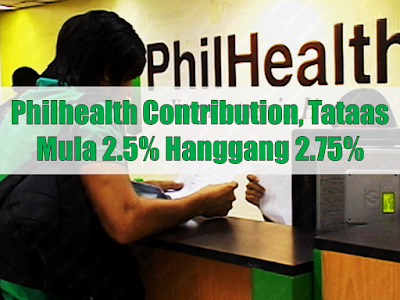
President Duterte has certified the Universal Health Coverage measure as urgent. This promises to usher in better health and free hospital coverage for Filipinos. The Philippines currently has a hybrid healthcare system called Philhealth, where the government entity under the National Health Insurance Program gives out medical insurance for medical coverage. The current system does not cover all Filipinos. Coverage depends on several factors including economic status.
Advertisement

President Duterte has certified the Universal Health Coverage measure as urgent. This promises to usher in better health and free hospital coverage for Filipinos. The Philippines currently has a hybrid healthcare system called Philhealth, where the government entity under the National Health Insurance Program gives out medical insurance for medical coverage. The current system does not cover all Filipinos. Coverage depends on several factors including economic status.  A proposed law in the Senate aims to enhance and rename the National Health Insurance Program, established by Republic Act 7875 or the National Health Insurance Act of 2013, into the National Health Security Program, as a mechanism for citizens to gain financial access to health services. This will reorganize the Philippine Health Insurance Corporation (PhilHealth) into the Philippine Health Security Corporation, which will serve as the national purchaser of health services.    The House of Representatives already passed House Bill 5784, also known as the “Universal Health Coverage Act.” Three versions in the Senate have also been passed: Senate Bills 1458, 1673, and 1714. If all goes well, we could very well see the first steps toward Universal Health Coverage (UHC) by next year, with several key components up and running by the end of the Duterte administration.    So what is the promise of UHC for Filipinos?    The new proposal aims to fill in the many health care gaps in the current system. A large portion of the population remains uncovered in PhilHealth. UHC proposes the automatic inclusion of every Filipino into the National Health Security Program.    Many medical services are not available or covered in the current insurance packages. Under UHC, all medical services are considered covered by default, unless specified otherwise. Only selected procedures will not be included.    Additionally, the level of coverage provided in the current system is not always sufficient to cover the medical expense of some major health care cases. UHC reorients the health system toward primary care and service delivery networks. Every Filipino will be assigned a primary care provider, who serves as the first point of contact in the health system and addresses general health needs. It also proposes to vastly expand the financing of health services.    Once enacted into law, the UHC will guarantee the right to health by providing primary care to all Filipinos including free medicine for all.

Sponsored Links


A proposed law in the Senate aims to enhance and rename the National Health Insurance Program, established by Republic Act 7875 or the National Health Insurance Act of 2013, into the National Health Security Program, as a mechanism for citizens to gain financial access to health services. This will reorganize the Philippine Health Insurance Corporation (PhilHealth) into the Philippine Health Security Corporation, which will serve as the national purchaser of health services.

The House of Representatives already passed House Bill 5784, also known as the “Universal Health Coverage Act.” Three versions in the Senate have also been passed: Senate Bills 1458, 1673, and 1714. If all goes well, we could very well see the first steps toward Universal Health Coverage (UHC) by next year, with several key components up and running by the end of the Duterte administration.

President Duterte has certified the Universal Health Coverage measure as urgent. This promises to usher in better health and free hospital coverage for Filipinos. The Philippines currently has a hybrid healthcare system called Philhealth, where the government entity under the National Health Insurance Program gives out medical insurance for medical coverage. The current system does not cover all Filipinos. Coverage depends on several factors including economic status.  A proposed law in the Senate aims to enhance and rename the National Health Insurance Program, established by Republic Act 7875 or the National Health Insurance Act of 2013, into the National Health Security Program, as a mechanism for citizens to gain financial access to health services. This will reorganize the Philippine Health Insurance Corporation (PhilHealth) into the Philippine Health Security Corporation, which will serve as the national purchaser of health services.    The House of Representatives already passed House Bill 5784, also known as the “Universal Health Coverage Act.” Three versions in the Senate have also been passed: Senate Bills 1458, 1673, and 1714. If all goes well, we could very well see the first steps toward Universal Health Coverage (UHC) by next year, with several key components up and running by the end of the Duterte administration.    So what is the promise of UHC for Filipinos?    The new proposal aims to fill in the many health care gaps in the current system. A large portion of the population remains uncovered in PhilHealth. UHC proposes the automatic inclusion of every Filipino into the National Health Security Program.    Many medical services are not available or covered in the current insurance packages. Under UHC, all medical services are considered covered by default, unless specified otherwise. Only selected procedures will not be included.    Additionally, the level of coverage provided in the current system is not always sufficient to cover the medical expense of some major health care cases. UHC reorients the health system toward primary care and service delivery networks. Every Filipino will be assigned a primary care provider, who serves as the first point of contact in the health system and addresses general health needs. It also proposes to vastly expand the financing of health services.    Once enacted into law, the UHC will guarantee the right to health by providing primary care to all Filipinos including free medicine for all.
So what is the promise of UHC for Filipinos?

The new proposal aims to fill in the many health care gaps in the current system. A large portion of the population remains uncovered in PhilHealth. UHC proposes the automatic inclusion of every Filipino into the National Health Security Program.

Many medical services are not available or covered in the current insurance packages. Under UHC, all medical services are considered covered by default, unless specified otherwise. Only selected procedures will not be included.

Additionally, the level of coverage provided in the current system is not always sufficient to cover the medical expense of some major health care cases. UHC reorients the health system toward primary care and service delivery networks. Every Filipino will be assigned a primary care provider, who serves as the first point of contact in the health system and addresses general health needs. It also proposes to vastly expand the financing of health services.

Once enacted into law, the UHC will guarantee the right to health by providing primary care to all Filipinos including free medicine for all.