Carousel

Sponsored Links

Looking for House and Lot Within Tagaytay Area? CONTACT US!

Name

Email *

Message *

Showing posts with label anti-dengue. Show all posts

Sunday, August 18, 2019

Anti-Dengue Home Hacks

Dengue carrying mosquitoes are everywhere and every home must be protected from it. The first line of defense against the dreaded disease is prevention and we can all do it by doing these simple steps at home.

Dengue carrying mosquitoes are everywhere and every home must be protected from it. The first line of defense against the dreaded disease is prevention and we can all do it by doing these simple steps at home.      Ads      The Department of Health (DOH) recently declared a “national dengue epidemic” since dengue cases have been significantly increasing. This is 98% higher than the numbers in 2018, six hundred and twenty two people already lost their lives this year alone.  While the local government units are addressing the situation of the epidemic, the first step to prevent it starts from our homes.  Here are some home hacks that you can do to prevent mosquitoes from breeding to get rid of dengue.   The DOH recommends The Enhanced 4-S implantation which calls for everyone to be active in controlling the spread of mosquito population and avoiding any possible dengue deaths within the community.     1. Search  Find out where mosquitoes thrive and destroy their breeding sites. Mosquitoes lay their eggs in stagnant water, so throw all the containers where stagnant water can accumulate especially during rainy season. These include old tires, blocked drainage, flooded diggings, and even cracked concrete.     2. Secure self-protection  Wear mosquito-repellant, long pants, and long-sleeved shirts.  Aedes egypti are daytime biting mosquitoes but they can also bite during the night so it's best to wear an insect repellant most of the time especially when it is near dark time.  3. Seek early consultation  If the person shows most common symptom of dengue like fever, headache, eye pain, muscle and joint pain, rashes, nausea, vomiting, and unusual bleeding (nose or gum bleeding) do not hesitate to go to a nearby hospital or clinic for consultation. The first 24 to 48 hours of dengue infection are crucial and early treatment is important.  Ads      Sponsored Links        4. Support fogging or spraying in hot spot areas  DOH also encourages fogging and spraying in mosquito-breeding hotspots to be done by authorized and trained sprayers to achieve immediate knockdown of mosquitoes.   Installing creens on windows, doors, and vents,  using insect sprays and mosquito repellant both inside and outside the house can also help a lot.   Pet's drinking bowl should be checked and changed on a regular basis.  Drain rainwater tanks and water storage bins and nearby plants trimmed and under control.  Light-colored clothing has to be worn because mosquitoes are reportedly more attracted to dark colors.   These simple steps could help a lot to keep mosquitoes away. The war against dengue can be fought one home at a time.

Ads


The Department of Health (DOH) recently declared a “national dengue epidemic” since dengue cases have been significantly increasing. This is 98% higher than the numbers in 2018, six hundred and twenty two people already lost their lives this year alone.

While the local government units are addressing the situation of the epidemic, the first step to prevent it starts from our homes.

Here are some home hacks that you can do to prevent mosquitoes from breeding to get rid of dengue.


The DOH recommends The Enhanced 4-S implantation which calls for everyone to be active in controlling the spread of mosquito population and avoiding any possible dengue deaths within the community.

Dengue carrying mosquitoes are everywhere and every home must be protected from it. The first line of defense against the dreaded disease is prevention and we can all do it by doing these simple steps at home.      Ads      The Department of Health (DOH) recently declared a “national dengue epidemic” since dengue cases have been significantly increasing. This is 98% higher than the numbers in 2018, six hundred and twenty two people already lost their lives this year alone.  While the local government units are addressing the situation of the epidemic, the first step to prevent it starts from our homes.  Here are some home hacks that you can do to prevent mosquitoes from breeding to get rid of dengue.   The DOH recommends The Enhanced 4-S implantation which calls for everyone to be active in controlling the spread of mosquito population and avoiding any possible dengue deaths within the community.     1. Search  Find out where mosquitoes thrive and destroy their breeding sites. Mosquitoes lay their eggs in stagnant water, so throw all the containers where stagnant water can accumulate especially during rainy season. These include old tires, blocked drainage, flooded diggings, and even cracked concrete.     2. Secure self-protection  Wear mosquito-repellant, long pants, and long-sleeved shirts.  Aedes egypti are daytime biting mosquitoes but they can also bite during the night so it's best to wear an insect repellant most of the time especially when it is near dark time.  3. Seek early consultation  If the person shows most common symptom of dengue like fever, headache, eye pain, muscle and joint pain, rashes, nausea, vomiting, and unusual bleeding (nose or gum bleeding) do not hesitate to go to a nearby hospital or clinic for consultation. The first 24 to 48 hours of dengue infection are crucial and early treatment is important.  Ads      Sponsored Links        4. Support fogging or spraying in hot spot areas  DOH also encourages fogging and spraying in mosquito-breeding hotspots to be done by authorized and trained sprayers to achieve immediate knockdown of mosquitoes.   Installing creens on windows, doors, and vents,  using insect sprays and mosquito repellant both inside and outside the house can also help a lot.   Pet's drinking bowl should be checked and changed on a regular basis.  Drain rainwater tanks and water storage bins and nearby plants trimmed and under control.  Light-colored clothing has to be worn because mosquitoes are reportedly more attracted to dark colors.   These simple steps could help a lot to keep mosquitoes away. The war against dengue can be fought one home at a time.

1. Search

Find out where mosquitoes thrive and destroy their breeding sites. Mosquitoes lay their eggs in stagnant water, so throw all the containers where stagnant water can accumulate especially during rainy season. These include old tires, blocked drainage, flooded diggings, and even cracked concrete.

Dengue carrying mosquitoes are everywhere and every home must be protected from it. The first line of defense against the dreaded disease is prevention and we can all do it by doing these simple steps at home.      Ads      The Department of Health (DOH) recently declared a “national dengue epidemic” since dengue cases have been significantly increasing. This is 98% higher than the numbers in 2018, six hundred and twenty two people already lost their lives this year alone.  While the local government units are addressing the situation of the epidemic, the first step to prevent it starts from our homes.  Here are some home hacks that you can do to prevent mosquitoes from breeding to get rid of dengue.   The DOH recommends The Enhanced 4-S implantation which calls for everyone to be active in controlling the spread of mosquito population and avoiding any possible dengue deaths within the community.     1. Search  Find out where mosquitoes thrive and destroy their breeding sites. Mosquitoes lay their eggs in stagnant water, so throw all the containers where stagnant water can accumulate especially during rainy season. These include old tires, blocked drainage, flooded diggings, and even cracked concrete.     2. Secure self-protection  Wear mosquito-repellant, long pants, and long-sleeved shirts.  Aedes egypti are daytime biting mosquitoes but they can also bite during the night so it's best to wear an insect repellant most of the time especially when it is near dark time.  3. Seek early consultation  If the person shows most common symptom of dengue like fever, headache, eye pain, muscle and joint pain, rashes, nausea, vomiting, and unusual bleeding (nose or gum bleeding) do not hesitate to go to a nearby hospital or clinic for consultation. The first 24 to 48 hours of dengue infection are crucial and early treatment is important.  Ads      Sponsored Links        4. Support fogging or spraying in hot spot areas  DOH also encourages fogging and spraying in mosquito-breeding hotspots to be done by authorized and trained sprayers to achieve immediate knockdown of mosquitoes.   Installing creens on windows, doors, and vents,  using insect sprays and mosquito repellant both inside and outside the house can also help a lot.   Pet's drinking bowl should be checked and changed on a regular basis.  Drain rainwater tanks and water storage bins and nearby plants trimmed and under control.  Light-colored clothing has to be worn because mosquitoes are reportedly more attracted to dark colors.   These simple steps could help a lot to keep mosquitoes away. The war against dengue can be fought one home at a time.

2. Secure self-protection

Wear mosquito-repellant, long pants, and long-sleeved shirts.  Aedes egypti are daytime biting mosquitoes but they can also bite during the night so it's best to wear an insect repellant most of the time especially when it is near dark time.
Dengue carrying mosquitoes are everywhere and every home must be protected from it. The first line of defense against the dreaded disease is prevention and we can all do it by doing these simple steps at home.      Ads      The Department of Health (DOH) recently declared a “national dengue epidemic” since dengue cases have been significantly increasing. This is 98% higher than the numbers in 2018, six hundred and twenty two people already lost their lives this year alone.  While the local government units are addressing the situation of the epidemic, the first step to prevent it starts from our homes.  Here are some home hacks that you can do to prevent mosquitoes from breeding to get rid of dengue.   The DOH recommends The Enhanced 4-S implantation which calls for everyone to be active in controlling the spread of mosquito population and avoiding any possible dengue deaths within the community.     1. Search  Find out where mosquitoes thrive and destroy their breeding sites. Mosquitoes lay their eggs in stagnant water, so throw all the containers where stagnant water can accumulate especially during rainy season. These include old tires, blocked drainage, flooded diggings, and even cracked concrete.     2. Secure self-protection  Wear mosquito-repellant, long pants, and long-sleeved shirts.  Aedes egypti are daytime biting mosquitoes but they can also bite during the night so it's best to wear an insect repellant most of the time especially when it is near dark time.  3. Seek early consultation  If the person shows most common symptom of dengue like fever, headache, eye pain, muscle and joint pain, rashes, nausea, vomiting, and unusual bleeding (nose or gum bleeding) do not hesitate to go to a nearby hospital or clinic for consultation. The first 24 to 48 hours of dengue infection are crucial and early treatment is important.  Ads      Sponsored Links        4. Support fogging or spraying in hot spot areas  DOH also encourages fogging and spraying in mosquito-breeding hotspots to be done by authorized and trained sprayers to achieve immediate knockdown of mosquitoes.   Installing creens on windows, doors, and vents,  using insect sprays and mosquito repellant both inside and outside the house can also help a lot.   Pet's drinking bowl should be checked and changed on a regular basis.  Drain rainwater tanks and water storage bins and nearby plants trimmed and under control.  Light-colored clothing has to be worn because mosquitoes are reportedly more attracted to dark colors.   These simple steps could help a lot to keep mosquitoes away. The war against dengue can be fought one home at a time.
3. Seek early consultation

If the person shows most common symptom of dengue like fever, headache, eye pain, muscle and joint pain, rashes, nausea, vomiting, and unusual bleeding (nose or gum bleeding) do not hesitate to go to a nearby hospital or clinic for consultation. The first 24 to 48 hours of dengue infection are crucial and early treatment is important.
Ads


Sponsored Links


Dengue carrying mosquitoes are everywhere and every home must be protected from it. The first line of defense against the dreaded disease is prevention and we can all do it by doing these simple steps at home.      Ads      The Department of Health (DOH) recently declared a “national dengue epidemic” since dengue cases have been significantly increasing. This is 98% higher than the numbers in 2018, six hundred and twenty two people already lost their lives this year alone.  While the local government units are addressing the situation of the epidemic, the first step to prevent it starts from our homes.  Here are some home hacks that you can do to prevent mosquitoes from breeding to get rid of dengue.   The DOH recommends The Enhanced 4-S implantation which calls for everyone to be active in controlling the spread of mosquito population and avoiding any possible dengue deaths within the community.     1. Search  Find out where mosquitoes thrive and destroy their breeding sites. Mosquitoes lay their eggs in stagnant water, so throw all the containers where stagnant water can accumulate especially during rainy season. These include old tires, blocked drainage, flooded diggings, and even cracked concrete.     2. Secure self-protection  Wear mosquito-repellant, long pants, and long-sleeved shirts.  Aedes egypti are daytime biting mosquitoes but they can also bite during the night so it's best to wear an insect repellant most of the time especially when it is near dark time.  3. Seek early consultation  If the person shows most common symptom of dengue like fever, headache, eye pain, muscle and joint pain, rashes, nausea, vomiting, and unusual bleeding (nose or gum bleeding) do not hesitate to go to a nearby hospital or clinic for consultation. The first 24 to 48 hours of dengue infection are crucial and early treatment is important.  Ads      Sponsored Links        4. Support fogging or spraying in hot spot areas  DOH also encourages fogging and spraying in mosquito-breeding hotspots to be done by authorized and trained sprayers to achieve immediate knockdown of mosquitoes.   Installing creens on windows, doors, and vents,  using insect sprays and mosquito repellant both inside and outside the house can also help a lot.   Pet's drinking bowl should be checked and changed on a regular basis.  Drain rainwater tanks and water storage bins and nearby plants trimmed and under control.  Light-colored clothing has to be worn because mosquitoes are reportedly more attracted to dark colors.   These simple steps could help a lot to keep mosquitoes away. The war against dengue can be fought one home at a time.

4. Support fogging or spraying in hot spot areas
DOH also encourages fogging and spraying in mosquito-breeding hotspots to be done by authorized and trained sprayers to achieve immediate knockdown of mosquitoes.

Installing creens on windows, doors, and vents, 
using insect sprays and mosquito repellant both inside and outside the house can also help a lot.

Pet's drinking bowl should be checked and changed on a regular basis. 
Drain rainwater tanks and water storage bins and nearby plants trimmed and under control. 
Light-colored clothing has to be worn because mosquitoes are reportedly more attracted to dark colors. 

These simple steps could help a lot to keep mosquitoes away. The war against dengue can be fought one home at a time.
©2019 THOUGHTSKOTO

Tuesday, August 13, 2019

Fish To Be Used Against Dengue Mosquitos


The dengue epidemic had already claimed a significant number of lives among the Filipinos especially children. The government is tapping any possible solution to prevent or if possible, stop the spread of the strain of mosquitoes carrying the deadly virus.


The dengue epidemic had already claimed a significant number of lives among the Filipinos especially children. The government is tapping any possible solution to prevent or if possible, stop the spread of the strain of mosquitoes carrying the deadly virus.       Ads   One of the solutions being considered as biological control agent against the proliferation of the dengue carrying mosquitos is to deploy Itar or commonly known as mosquito fish.  National Integrated Fisheries Technology Development Center ng Bureau of Fisheries and Aquatic Resources (BFAR-NIFTDC said that these specie of small fish are commonly found in sewers and grow not more that seven centimeters long. They feed on mosquito larvae and will be most effective in controlling  the breeding sites of  mosquitoes particularly Aedes aegypti which is responsible for spreading the dreaded dengue virus. Ads          Sponsored Links    This particular fish was introduced  by the Americans during the second world war. They brought and distributed the fingerlings as a solution to the rampant malaria case during that time.  The mosquito fish is not invasive and harmless to other fishes or aquaculture species. A mosquito fish can consume a few grams of mosquito larvae in less than an hour. It can also live in clean water and survive the dirty sewers which are frequented by mosquitoes.   BFAR had already distributed mosquito fished in many schools in Dagupan, Pangasinan.  The local government units may contact BFAR to avail these helpful fishes in controlling and possibly eradicating these virus carrying bloodsuckers.  Also Read: Asian countries are known for its vast natural resources and forests that grow different varieties of medicinal plants and herbs. In fact, most health sites and medical websites feature Asian medicinal herbs. One of the most potent herbs is the Euphorbia hirta locally known in the Philippines as "Tawa-tawa".  Advertisement        Sponsored Links      Tawa-tawa, with a scientific name Euphorbia Hirta, is commonly found in any neighborhood in tropical areas. In the Philippines,this plant can be found almost anywhere growing with common bushes and grass. In other countries,Tawa-tawa is called the "asthma weed" for its known eficacy in curing asthma.  Tawa-tawa is known for its analgesic, antipyretic, anti-inflammatory and anxiolytic properties. It contains gallic acid, quercetin, triacontane, cetyl alcohol,phytosterol, phytosterolin, jambulol, melissic, palmitic and linoleic acid. It also has euphorbianin, leucocyanidol, camphor, quercitrin and quercitrol.  Vitamin contents of tawa-tawa plant include ascorbic acid, thiamin, riboflavin, and niacin.     The different parts of the tawa-tawa plant has variety of medicinal uses.   For treating patients with asthma, the white resin is mixed with drinking water to alleviate asthma symptoms. Dried leaves made like a cigar can also be used. For other instances, the plant is boiled to make a tea for the asthma patient.   For the treatment of dengue fever, making tea from the whole plant without the roots is a potent cure. For the common fever, the tea made from boiling tawa-tawa roots is being used.  The same treatment is used for those with loose bowel movement or diarrhea, making a tea from the roots has the same medicinal effect.  Tawa-tawa resin can be used for the treatment of ringworm.The resin is applied to the affected area directly.It can also be used for the treatment of sty (kuliti). You can apply the resin to the affected area.  For boils, crushed or minced tawa-tawa leaves can be applied to the affected part of the skin. You can also use the same for treating open wounds.  For lactating mother, drinking the tea made from the plant can increase the production of milk in the mammary gland.  The tea made from boiling the fresh tawa-tawa leaves can normalize high blood pressure and also good for diabetes.  How to make a tawa-tawa tea:  Select fresh tawa-tawa leaves(or roots) and wash it thoroughly with water. Put it in a saucepan or any non-aluminum pan and put enough clean water proportionate to the number of leaves.  Boil it for 15 minutes and let it cool.  Strain the tea to remove the plant residues.  Drink 3 times a day or you can use it as a substitute for drinking water.  READ MORE:  Find Out Which Country Has The Fastest Internet Speed Using This Interactive Map      Find Out Which Is The Best Broadband Connection In The Philippines   Best Free Video Calling/Messaging Apps Of 2018    Modern Immigration Electronic Gates Now At NAIA    ASEAN Promotes People Mobility Across The Region    You Too Can Earn As Much As P131K From SSS Flexi Fund Investment    Survey: 8 Out of 10 OFWS Are Not Saving Their Money For Retirement    Can A Virgin Birth Be Possible At This Millennial Age?    Dubai OFW Lost His Dreams To A Scammer    Support And Protection Of The OFWs, Still PRRD's Priority ©2019 THOUGHTSKOTO

Ads


One of the solutions being considered as biological control agent against the proliferation of the dengue carrying mosquitos is to deploy Itar or commonly known as mosquito fish.


National Integrated Fisheries Technology Development Center ng Bureau of Fisheries and Aquatic Resources (BFAR-NIFTDC said that these specie of small fish are commonly found in sewers and grow not more that seven centimeters long. They feed on mosquito larvae and will be most effective in controlling  the breeding sites of  mosquitoes particularly Aedes aegypti which is responsible for spreading the dreaded dengue virus.
Ads


Sponsored Links


This particular fish was introduced  by the Americans during the second world war. They brought and distributed the fingerlings as a solution to the rampant malaria case during that time.

The mosquito fish is not invasive and harmless to other fishes or aquaculture species. A mosquito fish can consume a few grams of mosquito larvae in less than an hour. It can also live in clean water and survive the dirty sewers which are frequented by mosquitoes.

BFAR had already distributed mosquito fished in many schools in Dagupan, Pangasinan.

The local government units may contact BFAR to avail these helpful fishes in controlling and possibly eradicating these virus carrying bloodsuckers.


Also Read:
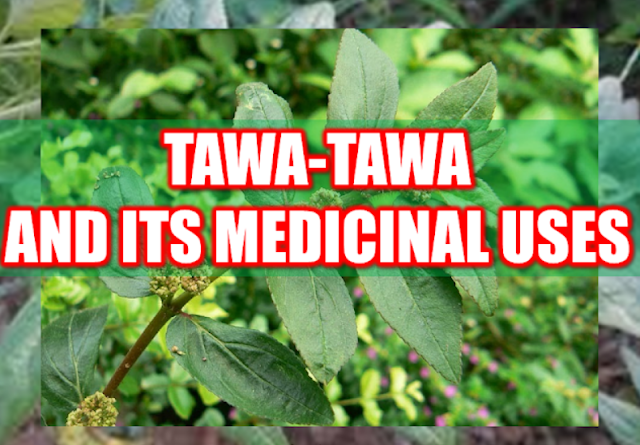
Asian countries are known for its vast natural resources and forests that grow different varieties of medicinal plants and herbs. In fact, most health sites and medical websites feature Asian medicinal herbs. One of the most potent herbs is the Euphorbia hirta locally known in the Philippines as "Tawa-tawa".  Advertisement        Sponsored Links      Tawa-tawa, with a scientific name Euphorbia Hirta, is commonly found in any neighborhood in tropical areas. In the Philippines,this plant can be found almost anywhere growing with common bushes and grass. In other countries,Tawa-tawa is called the "asthma weed" for its known eficacy in curing asthma.  Tawa-tawa is known for its analgesic, antipyretic, anti-inflammatory and anxiolytic properties. It contains gallic acid, quercetin, triacontane, cetyl alcohol,phytosterol, phytosterolin, jambulol, melissic, palmitic and linoleic acid. It also has euphorbianin, leucocyanidol, camphor, quercitrin and quercitrol.  Vitamin contents of tawa-tawa plant include ascorbic acid, thiamin, riboflavin, and niacin.     The different parts of the tawa-tawa plant has variety of medicinal uses.   For treating patients with asthma, the white resin is mixed with drinking water to alleviate asthma symptoms. Dried leaves made like a cigar can also be used. For other instances, the plant is boiled to make a tea for the asthma patient.   For the treatment of dengue fever, making tea from the whole plant without the roots is a potent cure. For the common fever, the tea made from boiling tawa-tawa roots is being used.  The same treatment is used for those with loose bowel movement or diarrhea, making a tea from the roots has the same medicinal effect.  Tawa-tawa resin can be used for the treatment of ringworm.The resin is applied to the affected area directly.It can also be used for the treatment of sty (kuliti). You can apply the resin to the affected area.  For boils, crushed or minced tawa-tawa leaves can be applied to the affected part of the skin. You can also use the same for treating open wounds.  For lactating mother, drinking the tea made from the plant can increase the production of milk in the mammary gland.  The tea made from boiling the fresh tawa-tawa leaves can normalize high blood pressure and also good for diabetes.  How to make a tawa-tawa tea:  Select fresh tawa-tawa leaves(or roots) and wash it thoroughly with water. Put it in a saucepan or any non-aluminum pan and put enough clean water proportionate to the number of leaves.  Boil it for 15 minutes and let it cool.  Strain the tea to remove the plant residues.  Drink 3 times a day or you can use it as a substitute for drinking water.  READ MORE:  Find Out Which Country Has The Fastest Internet Speed Using This Interactive Map      Find Out Which Is The Best Broadband Connection In The Philippines   Best Free Video Calling/Messaging Apps Of 2018    Modern Immigration Electronic Gates Now At NAIA    ASEAN Promotes People Mobility Across The Region    You Too Can Earn As Much As P131K From SSS Flexi Fund Investment    Survey: 8 Out of 10 OFWS Are Not Saving Their Money For Retirement    Can A Virgin Birth Be Possible At This Millennial Age?    Dubai OFW Lost His Dreams To A Scammer    Support And Protection Of The OFWs, Still PRRD's Priority
©2019 THOUGHTSKOTO

Saturday, December 02, 2017

Did Your Child Had A Shot? WHO and DOH Answers Questions Regarding The Controversial Vaccine

In the midst of Filipino parents with kids already vaccinated with the controversial anti-dengue shots worry, the World Health Organization Releases their stand and answers questions about Dengvaxia. Over 7000,000 had been vaccinated since the nationwide vaccination commenced and the Department of Health that about 10% of them were not infected by the virus prior to the vaccination putting them at risk of having "severe diseases" as to the statement of the vaccine manufacturer Sanofi Pasteur.  What is Dengvaxia®? There continues to be a strong public health need for effective preventive interventions against dengue, a disease caused by four viruses, termed serotypes 1-4. One dengue vaccine has been licensed, Dengvaxia® (also referred to as CYD-TDV), developed by Sanofi Pasteur. Dengvaxia® is a live recombinant tetravalent dengue vaccine developed by Sanofi Pasteur, given as a 3-dose series on a 0/6/12 month schedule. Dengvaxia® is the first dengue vaccine to be licensed and has now been approved by 19 regulatory authorities for use in endemic areas in persons typically ranging from 9-45 (in some countries 9-60) years of age. It has been introduced in two subnational programs in the Philippines and Brazil targeting about one million individuals. It is otherwise available on the private market in countries where there is a marketing authorization.  What was previously known about the licensed dengue vaccine, Dengvaxia®? Dengvaxia® has been evaluated in two Phase 3 clinical trials (CYD14 trial in five countries in Asia and CYD15 trial in five countries in Latin America). Together, these trials included over 30,000 participants aged 2 to 16 years. Vaccine efficacy against confirmed dengue pooled across both trials was 59.2% in the year following the primary series, and 79.1% against severe dengue. Efficacy varied by serotype, by age at vaccination and serostatus at baseline (i.e., previous exposure to dengue prior to vaccination).  While efficacy was reported against hospitalized and severe dengue in Years 1 and 2 post-dose 1, an excess of cases of hospitalized and severe dengue cases in those receiving Dengvaxia® was seen in Year 3 in some subgroups, although it is based on relatively small numbers of cases. Whether the increased risk was due to age or serostatus at baseline, which is highly correlated with age, could not be fully clarified with the available data at the time. For subjects aged 9 and above, in the first 25 months of the phase 3 trials, there was a reduction in severe dengue by 93% and a reduction in hospitalizations by 81%. Owing to the higher efficacy among participants vaccinated at age ≥9 years, as well as an elevated risk of hospitalized dengue in the 2–5-year age group, licensure was obtained in several countries to date for those aged 9–45 or 9–60 years living in dengue-endemic settings.  What is WHO’s current position on the use of Dengvaxia®?  Following recommendations made by the Strategic Advisory Group of Experts (SAGE) on immunization, WHO’s advisory body on vaccination, a position paper was published in July 2016 based on the data available at that time. The position paper makes a conditional recommendation on the use of the vaccine for highly endemic areas. Based on considerations of superior efficacy and, possibly, safety and duration of protection in seropositive individuals, SAGE recommended seroprevalence thresholds as the best population-level strategy. Based on mathematical modeling, an optimal seroprevalence in the age group targeted for vaccination was defined in the range of ≥70%. At that time theoretical elevated risk of dengue in vaccinated seronegative subjects was noted, and research into this was considered high priority. WHO thus called on Sanofi Pasteur to provide more data on efficacy and safety in baseline seronegative vaccine recipients.  Sponsored Links What are the additional analyses on efficacy and safety in baseline seronegative persons who received Dengvaxia®? Because the Phase 3 trials did not collect blood samples from all participants to be able to determine serostatus at baseline, the company performed additional testing to infer serostatus at the time of vaccination. However, samples were available for all trial participants at month 13, one month after the 3rd dose was administered. These samples were tested using an assay that identifies antibodies against the dengue non-structural protein 1 (NS1) based on the fact that the Dengvaxia® non-structural proteins code for Yellow Fever vaccine proteins, rather than for dengue. This allows differentiation between previous natural exposure to dengue and vaccination. Based on this test, Sanofi Pasteur reanalyzed the trial data stratified by seronegative and seropositive subjects to estimate the safety and efficacy of the vaccine by baseline serostatus.  What are the preliminary results from the recent analysis of vaccine safety in persons seronegative to dengue prior to vaccination? While vaccinated trial participants overall had a reduced risk of virologically-confirmed severe dengue and hospitalizations due to dengue, the subset of trial participants who had not been exposed to dengue virus infection prior to vaccination had a higher risk of more severe dengue and hospitalizations due to dengue compared to unvaccinated participants, regardless of age. This increased risk was observed after an initial protective period and persisted over the observation period of up to 66 months post primary vaccination. What is WHO’s interim interpretation of the data?  WHO’s interim interpretation of data is that: —The vaccine significantly protects against hospitalized and severe dengue in subjects seropositive for dengue at time of first vaccination in all age groups studied; —The risk of hospitalized and severe dengue is significantly increased among vaccinated subjects who were seronegative for dengue at the time of first vaccination in all age groups studied;  WHO will conduct a full review of the data through the Global Advisory Committee on Vaccine Safety and SAGE, for revised guidance of the use of Dengvaxia®.  Pending the full review of the data, as a precautionary and interim measure, WHO recommends that Dengvaxia® is only administered to subjects that are known to have been infected with dengue prior to vaccination.  What do these data mean for other dengue vaccines in clinical development?  A more detailed analysis of the data is needed to answer this question. The two candidate vaccines in phase 3 clinical development differ significantly from Dengvaxia®, so that no conclusions on the safety and efficacy profile of these candidates should yet be drawn. However, it will be necessary to carefully monitor vaccine performance over time in both seronegative and seropositive subjects. Source: World Health Organization Advertisement Read More:  ©2017 THOUGHTSKOTO

Advertisements


In the midst of Filipino parents with kids already vaccinated with the controversial anti-dengue shots worries, the World Health Organization releases their stand and answers questions about Dengvaxia. Over 7000,000 had been vaccinated since the nationwide vaccination commenced and the Department of Health that about 10% of them were not infected by the virus prior to the vaccination putting them at risk of having "severe diseases" as to the statement of the vaccine manufacturer Sanofi Pasteur.

 What is Dengvaxia®?
There continues to be a strong public health need for effective preventive interventions against dengue, a disease caused by four viruses, termed serotypes 1-4. One dengue vaccine has been licensed, Dengvaxia® (also referred to as CYD-TDV), developed by Sanofi Pasteur. Dengvaxia® is a live recombinant tetravalent dengue vaccine developed by Sanofi Pasteur, given as a 3-dose series on a 0/6/12 month schedule. Dengvaxia® is the first dengue vaccine to be licensed and has now been approved by 19 regulatory authorities for use in endemic areas in persons typically ranging from 9-45 (in some countries 9-60) years of age. It has been introduced in two subnational programs in the Philippines and Brazil targeting about one million individuals. It is otherwise available on the private market in countries where there is a marketing authorization.
In the midst of Filipino parents with kids already vaccinated with the controversial anti-dengue shots worry, the World Health Organization Releases their stand and answers questions about Dengvaxia. Over 7000,000 had been vaccinated since the nationwide vaccination commenced and the Department of Health that about 10% of them were not infected by the virus prior to the vaccination putting them at risk of having "severe diseases" as to the statement of the vaccine manufacturer Sanofi Pasteur. What is Dengvaxia®? There continues to be a strong public health need for effective preventive interventions against dengue, a disease caused by four viruses, termed serotypes 1-4. One dengue vaccine has been licensed, Dengvaxia® (also referred to as CYD-TDV), developed by Sanofi Pasteur. Dengvaxia® is a live recombinant tetravalent dengue vaccine developed by Sanofi Pasteur, given as a 3-dose series on a 0/6/12 month schedule. Dengvaxia® is the first dengue vaccine to be licensed and has now been approved by 19 regulatory authorities for use in endemic areas in persons typically ranging from 9-45 (in some countries 9-60) years of age. It has been introduced in two subnational programs in the Philippines and Brazil targeting about one million individuals. It is otherwise available on the private market in countries where there is a marketing authorization. What was previously known about the licensed dengue vaccine, Dengvaxia®? Dengvaxia® has been evaluated in two Phase 3 clinical trials (CYD14 trial in five countries in Asia and CYD15 trial in five countries in Latin America). Together, these trials included over 30,000 participants aged 2 to 16 years. Vaccine efficacy against confirmed dengue pooled across both trials was 59.2% in the year following the primary series, and 79.1% against severe dengue. Efficacy varied by serotype, by age at vaccination and serostatus at baseline (i.e., previous exposure to dengue prior to vaccination). While efficacy was reported against hospitalized and severe dengue in Years 1 and 2 post-dose 1, an excess of cases of hospitalized and severe dengue cases in those receiving Dengvaxia® was seen in Year 3 in some subgroups, although it is based on relatively small numbers of cases. Whether the increased risk was due to age or serostatus at baseline, which is highly correlated with age, could not be fully clarified with the available data at the time. For subjects aged 9 and above, in the first 25 months of the phase 3 trials, there was a reduction in severe dengue by 93% and a reduction in hospitalizations by 81%. Owing to the higher efficacy among participants vaccinated at age ≥9 years, as well as an elevated risk of hospitalized dengue in the 2–5-year age group, licensure was obtained in several countries to date for those aged 9–45 or 9–60 years living in dengue-endemic settings. What is WHO’s current position on the use of Dengvaxia®? Following recommendations made by the Strategic Advisory Group of Experts (SAGE) on immunization, WHO’s advisory body on vaccination, a position paper was published in July 2016 based on the data available at that time. The position paper makes a conditional recommendation on the use of the vaccine for highly endemic areas. Based on considerations of superior efficacy and, possibly, safety and duration of protection in seropositive individuals, SAGE recommended seroprevalence thresholds as the best population-level strategy. Based on mathematical modeling, an optimal seroprevalence in the age group targeted for vaccination was defined in the range of ≥70%. At that time theoretical elevated risk of dengue in vaccinated seronegative subjects was noted, and research into this was considered high priority. WHO thus called on Sanofi Pasteur to provide more data on efficacy and safety in baseline seronegative vaccine recipients. Sponsored Links What are the additional analyses on efficacy and safety in baseline seronegative persons who received Dengvaxia®? Because the Phase 3 trials did not collect blood samples from all participants to be able to determine serostatus at baseline, the company performed additional testing to infer serostatus at the time of vaccination. However, samples were available for all trial participants at month 13, one month after the 3rd dose was administered. These samples were tested using an assay that identifies antibodies against the dengue non-structural protein 1 (NS1) based on the fact that the Dengvaxia® non-structural proteins code for Yellow Fever vaccine proteins, rather than for dengue. This allows differentiation between previous natural exposure to dengue and vaccination. Based on this test, Sanofi Pasteur reanalyzed the trial data stratified by seronegative and seropositive subjects to estimate the safety and efficacy of the vaccine by baseline serostatus. What are the preliminary results from the recent analysis of vaccine safety in persons seronegative to dengue prior to vaccination? While vaccinated trial participants overall had a reduced risk of virologically-confirmed severe dengue and hospitalizations due to dengue, the subset of trial participants who had not been exposed to dengue virus infection prior to vaccination had a higher risk of more severe dengue and hospitalizations due to dengue compared to unvaccinated participants, regardless of age. This increased risk was observed after an initial protective period and persisted over the observation period of up to 66 months post primary vaccination. What is WHO’s interim interpretation of the data? WHO’s interim interpretation of data is that: —The vaccine significantly protects against hospitalized and severe dengue in subjects seropositive for dengue at time of first vaccination in all age groups studied; —The risk of hospitalized and severe dengue is significantly increased among vaccinated subjects who were seronegative for dengue at the time of first vaccination in all age groups studied; WHO will conduct a full review of the data through the Global Advisory Committee on Vaccine Safety and SAGE, for revised guidance of the use of Dengvaxia®. Pending the full review of the data, as a precautionary and interim measure, WHO recommends that Dengvaxia® is only administered to subjects that are known to have been infected with dengue prior to vaccination. What do these data mean for other dengue vaccines in clinical development? A more detailed analysis of the data is needed to answer this question. The two candidate vaccines in phase 3 clinical development differ significantly from Dengvaxia®, so that no conclusions on the safety and efficacy profile of these candidates should yet be drawn. However, it will be necessary to carefully monitor vaccine performance over time in both seronegative and seropositive subjects. Source: World Health Organization Advertisement Read More: ©2017 THOUGHTSKOTO
What was previously known about the licensed dengue vaccine, Dengvaxia®?
Dengvaxia® has been evaluated in two Phase 3 clinical trials (CYD14 trial in five countries in Asia and CYD15 trial in five countries in Latin America). Together, these trials included over 30,000 participants aged 2 to 16 years. Vaccine efficacy against confirmed dengue pooled across both trials was 59.2% in the year following the primary series, and 79.1% against severe dengue. Efficacy varied by serotype, by age at vaccination and serostatus at baseline (i.e., previous exposure to dengue prior to vaccination).

While efficacy was reported against hospitalized and severe dengue in Years 1 and 2 post-dose 1, an excess of cases of hospitalized and severe dengue cases in those receiving Dengvaxia® was seen in Year 3 in some subgroups, although it is based on relatively small numbers of cases. Whether the increased risk was due to age or serostatus at baseline, which is highly correlated with age, could not be fully clarified with the available data at the time. For subjects aged 9 and above, in the first 25 months of the phase 3 trials, there was a reduction in severe dengue by 93% and a reduction in hospitalizations by 81%. Owing to the higher efficacy among participants vaccinated at age ≥9 years, as well as an elevated risk of hospitalized dengue in the 2–5-year age group, licensure was obtained in several countries to date for those aged 9–45 or 9–60 years living in dengue-endemic settings.

What is WHO’s current position on the use of Dengvaxia®?

Following recommendations made by the Strategic Advisory Group of Experts (SAGE) on immunization, WHO’s advisory body on vaccination, a position paper was published in July 2016 based on the data available at that time. The position paper makes a conditional recommendation on the use of the vaccine for highly endemic areas. Based on considerations of superior efficacy and, possibly, safety and duration of protection in seropositive individuals, SAGE recommended seroprevalence thresholds as the best population-level strategy. Based on mathematical modeling, an optimal seroprevalence in the age group targeted for vaccination was defined in the range of ≥70%. At that time theoretical elevated risk of dengue in vaccinated seronegative subjects was noted, and research into this was considered high priority. WHO thus called on Sanofi Pasteur to provide more data on efficacy and safety in baseline seronegative vaccine recipients.

Sponsored Links
What are the additional analyses on efficacy and safety in baseline seronegative persons who received Dengvaxia®?
Because the Phase 3 trials did not collect blood samples from all participants to be able to determine serostatus at baseline, the company performed additional testing to infer serostatus at the time of vaccination. However, samples were available for all trial participants at month 13, one month after the 3rd dose was administered. These samples were tested using an assay that identifies antibodies against the dengue non-structural protein 1 (NS1) based on the fact that the Dengvaxia® non-structural proteins code for Yellow Fever vaccine proteins, rather than for dengue. This allows differentiation between previous natural exposure to dengue and vaccination. Based on this test, Sanofi Pasteur reanalyzed the trial data stratified by seronegative and seropositive subjects to estimate the safety and efficacy of the vaccine by baseline serostatus.
Duque said 733,713 children from Central Luzon, the region of Cavite, Laguna, Batangas, Rizal, and Quezon, and Metro Manila were administered Dengvaxia. Eight to 10 percent or about 70,000 children have not had dengue yet, the DOH added.
What are the preliminary results from the recent analysis of vaccine safety in persons seronegative to dengue prior to vaccination?
While vaccinated trial participants overall had a reduced risk of virologically-confirmed severe dengue and hospitalizations due to dengue, the subset of trial participants who had not been exposed to dengue virus infection prior to vaccination had a higher risk of more severe dengue and hospitalizations due to dengue compared to unvaccinated participants, regardless of age. This increased risk was observed after an initial protective period and persisted over the observation period of up to 66 months post primary vaccination.
What is WHO’s interim interpretation of the data?

WHO’s interim interpretation of data is that:
—The vaccine significantly protects against hospitalized and severe dengue in subjects seropositive for dengue at time of first vaccination in all age groups studied;
—The risk of hospitalized and severe dengue is significantly increased among vaccinated subjects who were seronegative for dengue at the time of first vaccination in all age groups studied;

WHO will conduct a full review of the data through the Global Advisory Committee on Vaccine Safety and SAGE, for revised guidance of the use of Dengvaxia®.

Pending the full review of the data, as a precautionary and interim measure, WHO recommends that Dengvaxia® is only administered to subjects that are known to have been infected with dengue prior to vaccination.

What do these data mean for other dengue vaccines in clinical development?

A more detailed analysis of the data is needed to answer this question. The two candidate vaccines in phase 3 clinical development differ significantly from Dengvaxia®, so that no conclusions on the safety and efficacy profile of these candidates should yet be drawn. However, it will be necessary to carefully monitor vaccine performance over time in both seronegative and seropositive subjects.
Source: World Health Organization

Meanwhile, the Department of Health releases an infographics of the most frequently asked questions about the vaccine. The DOH assures every Filipinos that the situation is being closely monitored.

In the midst of Filipino parents with kids already vaccinated with the controversial anti-dengue shots worry, the World Health Organization Releases their stand and answers questions about Dengvaxia. Over 7000,000 had been vaccinated since the nationwide vaccination commenced and the Department of Health that about 10% of them were not infected by the virus prior to the vaccination putting them at risk of having "severe diseases" as to the statement of the vaccine manufacturer Sanofi Pasteur.  What is Dengvaxia®? There continues to be a strong public health need for effective preventive interventions against dengue, a disease caused by four viruses, termed serotypes 1-4. One dengue vaccine has been licensed, Dengvaxia® (also referred to as CYD-TDV), developed by Sanofi Pasteur. Dengvaxia® is a live recombinant tetravalent dengue vaccine developed by Sanofi Pasteur, given as a 3-dose series on a 0/6/12 month schedule. Dengvaxia® is the first dengue vaccine to be licensed and has now been approved by 19 regulatory authorities for use in endemic areas in persons typically ranging from 9-45 (in some countries 9-60) years of age. It has been introduced in two subnational programs in the Philippines and Brazil targeting about one million individuals. It is otherwise available on the private market in countries where there is a marketing authorization.  What was previously known about the licensed dengue vaccine, Dengvaxia®? Dengvaxia® has been evaluated in two Phase 3 clinical trials (CYD14 trial in five countries in Asia and CYD15 trial in five countries in Latin America). Together, these trials included over 30,000 participants aged 2 to 16 years. Vaccine efficacy against confirmed dengue pooled across both trials was 59.2% in the year following the primary series, and 79.1% against severe dengue. Efficacy varied by serotype, by age at vaccination and serostatus at baseline (i.e., previous exposure to dengue prior to vaccination).  While efficacy was reported against hospitalized and severe dengue in Years 1 and 2 post-dose 1, an excess of cases of hospitalized and severe dengue cases in those receiving Dengvaxia® was seen in Year 3 in some subgroups, although it is based on relatively small numbers of cases. Whether the increased risk was due to age or serostatus at baseline, which is highly correlated with age, could not be fully clarified with the available data at the time. For subjects aged 9 and above, in the first 25 months of the phase 3 trials, there was a reduction in severe dengue by 93% and a reduction in hospitalizations by 81%. Owing to the higher efficacy among participants vaccinated at age ≥9 years, as well as an elevated risk of hospitalized dengue in the 2–5-year age group, licensure was obtained in several countries to date for those aged 9–45 or 9–60 years living in dengue-endemic settings.  What is WHO’s current position on the use of Dengvaxia®?  Following recommendations made by the Strategic Advisory Group of Experts (SAGE) on immunization, WHO’s advisory body on vaccination, a position paper was published in July 2016 based on the data available at that time. The position paper makes a conditional recommendation on the use of the vaccine for highly endemic areas. Based on considerations of superior efficacy and, possibly, safety and duration of protection in seropositive individuals, SAGE recommended seroprevalence thresholds as the best population-level strategy. Based on mathematical modeling, an optimal seroprevalence in the age group targeted for vaccination was defined in the range of ≥70%. At that time theoretical elevated risk of dengue in vaccinated seronegative subjects was noted, and research into this was considered high priority. WHO thus called on Sanofi Pasteur to provide more data on efficacy and safety in baseline seronegative vaccine recipients.  Sponsored Links What are the additional analyses on efficacy and safety in baseline seronegative persons who received Dengvaxia®? Because the Phase 3 trials did not collect blood samples from all participants to be able to determine serostatus at baseline, the company performed additional testing to infer serostatus at the time of vaccination. However, samples were available for all trial participants at month 13, one month after the 3rd dose was administered. These samples were tested using an assay that identifies antibodies against the dengue non-structural protein 1 (NS1) based on the fact that the Dengvaxia® non-structural proteins code for Yellow Fever vaccine proteins, rather than for dengue. This allows differentiation between previous natural exposure to dengue and vaccination. Based on this test, Sanofi Pasteur reanalyzed the trial data stratified by seronegative and seropositive subjects to estimate the safety and efficacy of the vaccine by baseline serostatus.  What are the preliminary results from the recent analysis of vaccine safety in persons seronegative to dengue prior to vaccination? While vaccinated trial participants overall had a reduced risk of virologically-confirmed severe dengue and hospitalizations due to dengue, the subset of trial participants who had not been exposed to dengue virus infection prior to vaccination had a higher risk of more severe dengue and hospitalizations due to dengue compared to unvaccinated participants, regardless of age. This increased risk was observed after an initial protective period and persisted over the observation period of up to 66 months post primary vaccination. What is WHO’s interim interpretation of the data?  WHO’s interim interpretation of data is that: —The vaccine significantly protects against hospitalized and severe dengue in subjects seropositive for dengue at time of first vaccination in all age groups studied; —The risk of hospitalized and severe dengue is significantly increased among vaccinated subjects who were seronegative for dengue at the time of first vaccination in all age groups studied;  WHO will conduct a full review of the data through the Global Advisory Committee on Vaccine Safety and SAGE, for revised guidance of the use of Dengvaxia®.  Pending the full review of the data, as a precautionary and interim measure, WHO recommends that Dengvaxia® is only administered to subjects that are known to have been infected with dengue prior to vaccination.  What do these data mean for other dengue vaccines in clinical development?  A more detailed analysis of the data is needed to answer this question. The two candidate vaccines in phase 3 clinical development differ significantly from Dengvaxia®, so that no conclusions on the safety and efficacy profile of these candidates should yet be drawn. However, it will be necessary to carefully monitor vaccine performance over time in both seronegative and seropositive subjects. Source: World Health Organization Advertisement Read More:  ©2017 THOUGHTSKOTO

In the midst of Filipino parents with kids already vaccinated with the controversial anti-dengue shots worry, the World Health Organization Releases their stand and answers questions about Dengvaxia. Over 7000,000 had been vaccinated since the nationwide vaccination commenced and the Department of Health that about 10% of them were not infected by the virus prior to the vaccination putting them at risk of having "severe diseases" as to the statement of the vaccine manufacturer Sanofi Pasteur.  What is Dengvaxia®? There continues to be a strong public health need for effective preventive interventions against dengue, a disease caused by four viruses, termed serotypes 1-4. One dengue vaccine has been licensed, Dengvaxia® (also referred to as CYD-TDV), developed by Sanofi Pasteur. Dengvaxia® is a live recombinant tetravalent dengue vaccine developed by Sanofi Pasteur, given as a 3-dose series on a 0/6/12 month schedule. Dengvaxia® is the first dengue vaccine to be licensed and has now been approved by 19 regulatory authorities for use in endemic areas in persons typically ranging from 9-45 (in some countries 9-60) years of age. It has been introduced in two subnational programs in the Philippines and Brazil targeting about one million individuals. It is otherwise available on the private market in countries where there is a marketing authorization.  What was previously known about the licensed dengue vaccine, Dengvaxia®? Dengvaxia® has been evaluated in two Phase 3 clinical trials (CYD14 trial in five countries in Asia and CYD15 trial in five countries in Latin America). Together, these trials included over 30,000 participants aged 2 to 16 years. Vaccine efficacy against confirmed dengue pooled across both trials was 59.2% in the year following the primary series, and 79.1% against severe dengue. Efficacy varied by serotype, by age at vaccination and serostatus at baseline (i.e., previous exposure to dengue prior to vaccination).  While efficacy was reported against hospitalized and severe dengue in Years 1 and 2 post-dose 1, an excess of cases of hospitalized and severe dengue cases in those receiving Dengvaxia® was seen in Year 3 in some subgroups, although it is based on relatively small numbers of cases. Whether the increased risk was due to age or serostatus at baseline, which is highly correlated with age, could not be fully clarified with the available data at the time. For subjects aged 9 and above, in the first 25 months of the phase 3 trials, there was a reduction in severe dengue by 93% and a reduction in hospitalizations by 81%. Owing to the higher efficacy among participants vaccinated at age ≥9 years, as well as an elevated risk of hospitalized dengue in the 2–5-year age group, licensure was obtained in several countries to date for those aged 9–45 or 9–60 years living in dengue-endemic settings.  What is WHO’s current position on the use of Dengvaxia®?  Following recommendations made by the Strategic Advisory Group of Experts (SAGE) on immunization, WHO’s advisory body on vaccination, a position paper was published in July 2016 based on the data available at that time. The position paper makes a conditional recommendation on the use of the vaccine for highly endemic areas. Based on considerations of superior efficacy and, possibly, safety and duration of protection in seropositive individuals, SAGE recommended seroprevalence thresholds as the best population-level strategy. Based on mathematical modeling, an optimal seroprevalence in the age group targeted for vaccination was defined in the range of ≥70%. At that time theoretical elevated risk of dengue in vaccinated seronegative subjects was noted, and research into this was considered high priority. WHO thus called on Sanofi Pasteur to provide more data on efficacy and safety in baseline seronegative vaccine recipients.  Sponsored Links What are the additional analyses on efficacy and safety in baseline seronegative persons who received Dengvaxia®? Because the Phase 3 trials did not collect blood samples from all participants to be able to determine serostatus at baseline, the company performed additional testing to infer serostatus at the time of vaccination. However, samples were available for all trial participants at month 13, one month after the 3rd dose was administered. These samples were tested using an assay that identifies antibodies against the dengue non-structural protein 1 (NS1) based on the fact that the Dengvaxia® non-structural proteins code for Yellow Fever vaccine proteins, rather than for dengue. This allows differentiation between previous natural exposure to dengue and vaccination. Based on this test, Sanofi Pasteur reanalyzed the trial data stratified by seronegative and seropositive subjects to estimate the safety and efficacy of the vaccine by baseline serostatus.  What are the preliminary results from the recent analysis of vaccine safety in persons seronegative to dengue prior to vaccination? While vaccinated trial participants overall had a reduced risk of virologically-confirmed severe dengue and hospitalizations due to dengue, the subset of trial participants who had not been exposed to dengue virus infection prior to vaccination had a higher risk of more severe dengue and hospitalizations due to dengue compared to unvaccinated participants, regardless of age. This increased risk was observed after an initial protective period and persisted over the observation period of up to 66 months post primary vaccination. What is WHO’s interim interpretation of the data?  WHO’s interim interpretation of data is that: —The vaccine significantly protects against hospitalized and severe dengue in subjects seropositive for dengue at time of first vaccination in all age groups studied; —The risk of hospitalized and severe dengue is significantly increased among vaccinated subjects who were seronegative for dengue at the time of first vaccination in all age groups studied;  WHO will conduct a full review of the data through the Global Advisory Committee on Vaccine Safety and SAGE, for revised guidance of the use of Dengvaxia®.  Pending the full review of the data, as a precautionary and interim measure, WHO recommends that Dengvaxia® is only administered to subjects that are known to have been infected with dengue prior to vaccination.  What do these data mean for other dengue vaccines in clinical development?  A more detailed analysis of the data is needed to answer this question. The two candidate vaccines in phase 3 clinical development differ significantly from Dengvaxia®, so that no conclusions on the safety and efficacy profile of these candidates should yet be drawn. However, it will be necessary to carefully monitor vaccine performance over time in both seronegative and seropositive subjects. Source: World Health Organization Advertisement Read More:  ©2017 THOUGHTSKOTO

In the midst of Filipino parents with kids already vaccinated with the controversial anti-dengue shots worry, the World Health Organization Releases their stand and answers questions about Dengvaxia. Over 7000,000 had been vaccinated since the nationwide vaccination commenced and the Department of Health that about 10% of them were not infected by the virus prior to the vaccination putting them at risk of having "severe diseases" as to the statement of the vaccine manufacturer Sanofi Pasteur.  What is Dengvaxia®? There continues to be a strong public health need for effective preventive interventions against dengue, a disease caused by four viruses, termed serotypes 1-4. One dengue vaccine has been licensed, Dengvaxia® (also referred to as CYD-TDV), developed by Sanofi Pasteur. Dengvaxia® is a live recombinant tetravalent dengue vaccine developed by Sanofi Pasteur, given as a 3-dose series on a 0/6/12 month schedule. Dengvaxia® is the first dengue vaccine to be licensed and has now been approved by 19 regulatory authorities for use in endemic areas in persons typically ranging from 9-45 (in some countries 9-60) years of age. It has been introduced in two subnational programs in the Philippines and Brazil targeting about one million individuals. It is otherwise available on the private market in countries where there is a marketing authorization.  What was previously known about the licensed dengue vaccine, Dengvaxia®? Dengvaxia® has been evaluated in two Phase 3 clinical trials (CYD14 trial in five countries in Asia and CYD15 trial in five countries in Latin America). Together, these trials included over 30,000 participants aged 2 to 16 years. Vaccine efficacy against confirmed dengue pooled across both trials was 59.2% in the year following the primary series, and 79.1% against severe dengue. Efficacy varied by serotype, by age at vaccination and serostatus at baseline (i.e., previous exposure to dengue prior to vaccination).  While efficacy was reported against hospitalized and severe dengue in Years 1 and 2 post-dose 1, an excess of cases of hospitalized and severe dengue cases in those receiving Dengvaxia® was seen in Year 3 in some subgroups, although it is based on relatively small numbers of cases. Whether the increased risk was due to age or serostatus at baseline, which is highly correlated with age, could not be fully clarified with the available data at the time. For subjects aged 9 and above, in the first 25 months of the phase 3 trials, there was a reduction in severe dengue by 93% and a reduction in hospitalizations by 81%. Owing to the higher efficacy among participants vaccinated at age ≥9 years, as well as an elevated risk of hospitalized dengue in the 2–5-year age group, licensure was obtained in several countries to date for those aged 9–45 or 9–60 years living in dengue-endemic settings.  What is WHO’s current position on the use of Dengvaxia®?  Following recommendations made by the Strategic Advisory Group of Experts (SAGE) on immunization, WHO’s advisory body on vaccination, a position paper was published in July 2016 based on the data available at that time. The position paper makes a conditional recommendation on the use of the vaccine for highly endemic areas. Based on considerations of superior efficacy and, possibly, safety and duration of protection in seropositive individuals, SAGE recommended seroprevalence thresholds as the best population-level strategy. Based on mathematical modeling, an optimal seroprevalence in the age group targeted for vaccination was defined in the range of ≥70%. At that time theoretical elevated risk of dengue in vaccinated seronegative subjects was noted, and research into this was considered high priority. WHO thus called on Sanofi Pasteur to provide more data on efficacy and safety in baseline seronegative vaccine recipients.  Sponsored Links What are the additional analyses on efficacy and safety in baseline seronegative persons who received Dengvaxia®? Because the Phase 3 trials did not collect blood samples from all participants to be able to determine serostatus at baseline, the company performed additional testing to infer serostatus at the time of vaccination. However, samples were available for all trial participants at month 13, one month after the 3rd dose was administered. These samples were tested using an assay that identifies antibodies against the dengue non-structural protein 1 (NS1) based on the fact that the Dengvaxia® non-structural proteins code for Yellow Fever vaccine proteins, rather than for dengue. This allows differentiation between previous natural exposure to dengue and vaccination. Based on this test, Sanofi Pasteur reanalyzed the trial data stratified by seronegative and seropositive subjects to estimate the safety and efficacy of the vaccine by baseline serostatus.  What are the preliminary results from the recent analysis of vaccine safety in persons seronegative to dengue prior to vaccination? While vaccinated trial participants overall had a reduced risk of virologically-confirmed severe dengue and hospitalizations due to dengue, the subset of trial participants who had not been exposed to dengue virus infection prior to vaccination had a higher risk of more severe dengue and hospitalizations due to dengue compared to unvaccinated participants, regardless of age. This increased risk was observed after an initial protective period and persisted over the observation period of up to 66 months post primary vaccination. What is WHO’s interim interpretation of the data?  WHO’s interim interpretation of data is that: —The vaccine significantly protects against hospitalized and severe dengue in subjects seropositive for dengue at time of first vaccination in all age groups studied; —The risk of hospitalized and severe dengue is significantly increased among vaccinated subjects who were seronegative for dengue at the time of first vaccination in all age groups studied;  WHO will conduct a full review of the data through the Global Advisory Committee on Vaccine Safety and SAGE, for revised guidance of the use of Dengvaxia®.  Pending the full review of the data, as a precautionary and interim measure, WHO recommends that Dengvaxia® is only administered to subjects that are known to have been infected with dengue prior to vaccination.  What do these data mean for other dengue vaccines in clinical development?  A more detailed analysis of the data is needed to answer this question. The two candidate vaccines in phase 3 clinical development differ significantly from Dengvaxia®, so that no conclusions on the safety and efficacy profile of these candidates should yet be drawn. However, it will be necessary to carefully monitor vaccine performance over time in both seronegative and seropositive subjects. Source: World Health Organization Advertisement Read More:  ©2017 THOUGHTSKOTO

In the midst of Filipino parents with kids already vaccinated with the controversial anti-dengue shots worry, the World Health Organization Releases their stand and answers questions about Dengvaxia. Over 7000,000 had been vaccinated since the nationwide vaccination commenced and the Department of Health that about 10% of them were not infected by the virus prior to the vaccination putting them at risk of having "severe diseases" as to the statement of the vaccine manufacturer Sanofi Pasteur.  What is Dengvaxia®? There continues to be a strong public health need for effective preventive interventions against dengue, a disease caused by four viruses, termed serotypes 1-4. One dengue vaccine has been licensed, Dengvaxia® (also referred to as CYD-TDV), developed by Sanofi Pasteur. Dengvaxia® is a live recombinant tetravalent dengue vaccine developed by Sanofi Pasteur, given as a 3-dose series on a 0/6/12 month schedule. Dengvaxia® is the first dengue vaccine to be licensed and has now been approved by 19 regulatory authorities for use in endemic areas in persons typically ranging from 9-45 (in some countries 9-60) years of age. It has been introduced in two subnational programs in the Philippines and Brazil targeting about one million individuals. It is otherwise available on the private market in countries where there is a marketing authorization.  What was previously known about the licensed dengue vaccine, Dengvaxia®? Dengvaxia® has been evaluated in two Phase 3 clinical trials (CYD14 trial in five countries in Asia and CYD15 trial in five countries in Latin America). Together, these trials included over 30,000 participants aged 2 to 16 years. Vaccine efficacy against confirmed dengue pooled across both trials was 59.2% in the year following the primary series, and 79.1% against severe dengue. Efficacy varied by serotype, by age at vaccination and serostatus at baseline (i.e., previous exposure to dengue prior to vaccination).  While efficacy was reported against hospitalized and severe dengue in Years 1 and 2 post-dose 1, an excess of cases of hospitalized and severe dengue cases in those receiving Dengvaxia® was seen in Year 3 in some subgroups, although it is based on relatively small numbers of cases. Whether the increased risk was due to age or serostatus at baseline, which is highly correlated with age, could not be fully clarified with the available data at the time. For subjects aged 9 and above, in the first 25 months of the phase 3 trials, there was a reduction in severe dengue by 93% and a reduction in hospitalizations by 81%. Owing to the higher efficacy among participants vaccinated at age ≥9 years, as well as an elevated risk of hospitalized dengue in the 2–5-year age group, licensure was obtained in several countries to date for those aged 9–45 or 9–60 years living in dengue-endemic settings.  What is WHO’s current position on the use of Dengvaxia®?  Following recommendations made by the Strategic Advisory Group of Experts (SAGE) on immunization, WHO’s advisory body on vaccination, a position paper was published in July 2016 based on the data available at that time. The position paper makes a conditional recommendation on the use of the vaccine for highly endemic areas. Based on considerations of superior efficacy and, possibly, safety and duration of protection in seropositive individuals, SAGE recommended seroprevalence thresholds as the best population-level strategy. Based on mathematical modeling, an optimal seroprevalence in the age group targeted for vaccination was defined in the range of ≥70%. At that time theoretical elevated risk of dengue in vaccinated seronegative subjects was noted, and research into this was considered high priority. WHO thus called on Sanofi Pasteur to provide more data on efficacy and safety in baseline seronegative vaccine recipients.  Sponsored Links What are the additional analyses on efficacy and safety in baseline seronegative persons who received Dengvaxia®? Because the Phase 3 trials did not collect blood samples from all participants to be able to determine serostatus at baseline, the company performed additional testing to infer serostatus at the time of vaccination. However, samples were available for all trial participants at month 13, one month after the 3rd dose was administered. These samples were tested using an assay that identifies antibodies against the dengue non-structural protein 1 (NS1) based on the fact that the Dengvaxia® non-structural proteins code for Yellow Fever vaccine proteins, rather than for dengue. This allows differentiation between previous natural exposure to dengue and vaccination. Based on this test, Sanofi Pasteur reanalyzed the trial data stratified by seronegative and seropositive subjects to estimate the safety and efficacy of the vaccine by baseline serostatus.  What are the preliminary results from the recent analysis of vaccine safety in persons seronegative to dengue prior to vaccination? While vaccinated trial participants overall had a reduced risk of virologically-confirmed severe dengue and hospitalizations due to dengue, the subset of trial participants who had not been exposed to dengue virus infection prior to vaccination had a higher risk of more severe dengue and hospitalizations due to dengue compared to unvaccinated participants, regardless of age. This increased risk was observed after an initial protective period and persisted over the observation period of up to 66 months post primary vaccination. What is WHO’s interim interpretation of the data?  WHO’s interim interpretation of data is that: —The vaccine significantly protects against hospitalized and severe dengue in subjects seropositive for dengue at time of first vaccination in all age groups studied; —The risk of hospitalized and severe dengue is significantly increased among vaccinated subjects who were seronegative for dengue at the time of first vaccination in all age groups studied;  WHO will conduct a full review of the data through the Global Advisory Committee on Vaccine Safety and SAGE, for revised guidance of the use of Dengvaxia®.  Pending the full review of the data, as a precautionary and interim measure, WHO recommends that Dengvaxia® is only administered to subjects that are known to have been infected with dengue prior to vaccination.  What do these data mean for other dengue vaccines in clinical development?  A more detailed analysis of the data is needed to answer this question. The two candidate vaccines in phase 3 clinical development differ significantly from Dengvaxia®, so that no conclusions on the safety and efficacy profile of these candidates should yet be drawn. However, it will be necessary to carefully monitor vaccine performance over time in both seronegative and seropositive subjects. Source: World Health Organization Advertisement Read More:  ©2017 THOUGHTSKOTO

In the midst of Filipino parents with kids already vaccinated with the controversial anti-dengue shots worry, the World Health Organization Releases their stand and answers questions about Dengvaxia. Over 7000,000 had been vaccinated since the nationwide vaccination commenced and the Department of Health that about 10% of them were not infected by the virus prior to the vaccination putting them at risk of having "severe diseases" as to the statement of the vaccine manufacturer Sanofi Pasteur.  What is Dengvaxia®? There continues to be a strong public health need for effective preventive interventions against dengue, a disease caused by four viruses, termed serotypes 1-4. One dengue vaccine has been licensed, Dengvaxia® (also referred to as CYD-TDV), developed by Sanofi Pasteur. Dengvaxia® is a live recombinant tetravalent dengue vaccine developed by Sanofi Pasteur, given as a 3-dose series on a 0/6/12 month schedule. Dengvaxia® is the first dengue vaccine to be licensed and has now been approved by 19 regulatory authorities for use in endemic areas in persons typically ranging from 9-45 (in some countries 9-60) years of age. It has been introduced in two subnational programs in the Philippines and Brazil targeting about one million individuals. It is otherwise available on the private market in countries where there is a marketing authorization.  What was previously known about the licensed dengue vaccine, Dengvaxia®? Dengvaxia® has been evaluated in two Phase 3 clinical trials (CYD14 trial in five countries in Asia and CYD15 trial in five countries in Latin America). Together, these trials included over 30,000 participants aged 2 to 16 years. Vaccine efficacy against confirmed dengue pooled across both trials was 59.2% in the year following the primary series, and 79.1% against severe dengue. Efficacy varied by serotype, by age at vaccination and serostatus at baseline (i.e., previous exposure to dengue prior to vaccination).  While efficacy was reported against hospitalized and severe dengue in Years 1 and 2 post-dose 1, an excess of cases of hospitalized and severe dengue cases in those receiving Dengvaxia® was seen in Year 3 in some subgroups, although it is based on relatively small numbers of cases. Whether the increased risk was due to age or serostatus at baseline, which is highly correlated with age, could not be fully clarified with the available data at the time. For subjects aged 9 and above, in the first 25 months of the phase 3 trials, there was a reduction in severe dengue by 93% and a reduction in hospitalizations by 81%. Owing to the higher efficacy among participants vaccinated at age ≥9 years, as well as an elevated risk of hospitalized dengue in the 2–5-year age group, licensure was obtained in several countries to date for those aged 9–45 or 9–60 years living in dengue-endemic settings.  What is WHO’s current position on the use of Dengvaxia®?  Following recommendations made by the Strategic Advisory Group of Experts (SAGE) on immunization, WHO’s advisory body on vaccination, a position paper was published in July 2016 based on the data available at that time. The position paper makes a conditional recommendation on the use of the vaccine for highly endemic areas. Based on considerations of superior efficacy and, possibly, safety and duration of protection in seropositive individuals, SAGE recommended seroprevalence thresholds as the best population-level strategy. Based on mathematical modeling, an optimal seroprevalence in the age group targeted for vaccination was defined in the range of ≥70%. At that time theoretical elevated risk of dengue in vaccinated seronegative subjects was noted, and research into this was considered high priority. WHO thus called on Sanofi Pasteur to provide more data on efficacy and safety in baseline seronegative vaccine recipients.  Sponsored Links What are the additional analyses on efficacy and safety in baseline seronegative persons who received Dengvaxia®? Because the Phase 3 trials did not collect blood samples from all participants to be able to determine serostatus at baseline, the company performed additional testing to infer serostatus at the time of vaccination. However, samples were available for all trial participants at month 13, one month after the 3rd dose was administered. These samples were tested using an assay that identifies antibodies against the dengue non-structural protein 1 (NS1) based on the fact that the Dengvaxia® non-structural proteins code for Yellow Fever vaccine proteins, rather than for dengue. This allows differentiation between previous natural exposure to dengue and vaccination. Based on this test, Sanofi Pasteur reanalyzed the trial data stratified by seronegative and seropositive subjects to estimate the safety and efficacy of the vaccine by baseline serostatus.  What are the preliminary results from the recent analysis of vaccine safety in persons seronegative to dengue prior to vaccination? While vaccinated trial participants overall had a reduced risk of virologically-confirmed severe dengue and hospitalizations due to dengue, the subset of trial participants who had not been exposed to dengue virus infection prior to vaccination had a higher risk of more severe dengue and hospitalizations due to dengue compared to unvaccinated participants, regardless of age. This increased risk was observed after an initial protective period and persisted over the observation period of up to 66 months post primary vaccination. What is WHO’s interim interpretation of the data?  WHO’s interim interpretation of data is that: —The vaccine significantly protects against hospitalized and severe dengue in subjects seropositive for dengue at time of first vaccination in all age groups studied; —The risk of hospitalized and severe dengue is significantly increased among vaccinated subjects who were seronegative for dengue at the time of first vaccination in all age groups studied;  WHO will conduct a full review of the data through the Global Advisory Committee on Vaccine Safety and SAGE, for revised guidance of the use of Dengvaxia®.  Pending the full review of the data, as a precautionary and interim measure, WHO recommends that Dengvaxia® is only administered to subjects that are known to have been infected with dengue prior to vaccination.  What do these data mean for other dengue vaccines in clinical development?  A more detailed analysis of the data is needed to answer this question. The two candidate vaccines in phase 3 clinical development differ significantly from Dengvaxia®, so that no conclusions on the safety and efficacy profile of these candidates should yet be drawn. However, it will be necessary to carefully monitor vaccine performance over time in both seronegative and seropositive subjects. Source: World Health Organization Advertisement Read More:  ©2017 THOUGHTSKOTO


In the midst of Filipino parents with kids already vaccinated with the controversial anti-dengue shots worry, the World Health Organization Releases their stand and answers questions about Dengvaxia. Over 7000,000 had been vaccinated since the nationwide vaccination commenced and the Department of Health that about 10% of them were not infected by the virus prior to the vaccination putting them at risk of having "severe diseases" as to the statement of the vaccine manufacturer Sanofi Pasteur. What is Dengvaxia®? There continues to be a strong public health need for effective preventive interventions against dengue, a disease caused by four viruses, termed serotypes 1-4. One dengue vaccine has been licensed, Dengvaxia® (also referred to as CYD-TDV), developed by Sanofi Pasteur. Dengvaxia® is a live recombinant tetravalent dengue vaccine developed by Sanofi Pasteur, given as a 3-dose series on a 0/6/12 month schedule. Dengvaxia® is the first dengue vaccine to be licensed and has now been approved by 19 regulatory authorities for use in endemic areas in persons typically ranging from 9-45 (in some countries 9-60) years of age. It has been introduced in two subnational programs in the Philippines and Brazil targeting about one million individuals. It is otherwise available on the private market in countries where there is a marketing authorization. What was previously known about the licensed dengue vaccine, Dengvaxia®? Dengvaxia® has been evaluated in two Phase 3 clinical trials (CYD14 trial in five countries in Asia and CYD15 trial in five countries in Latin America). Together, these trials included over 30,000 participants aged 2 to 16 years. Vaccine efficacy against confirmed dengue pooled across both trials was 59.2% in the year following the primary series, and 79.1% against severe dengue. Efficacy varied by serotype, by age at vaccination and serostatus at baseline (i.e., previous exposure to dengue prior to vaccination). While efficacy was reported against hospitalized and severe dengue in Years 1 and 2 post-dose 1, an excess of cases of hospitalized and severe dengue cases in those receiving Dengvaxia® was seen in Year 3 in some subgroups, although it is based on relatively small numbers of cases. Whether the increased risk was due to age or serostatus at baseline, which is highly correlated with age, could not be fully clarified with the available data at the time. For subjects aged 9 and above, in the first 25 months of the phase 3 trials, there was a reduction in severe dengue by 93% and a reduction in hospitalizations by 81%. Owing to the higher efficacy among participants vaccinated at age ≥9 years, as well as an elevated risk of hospitalized dengue in the 2–5-year age group, licensure was obtained in several countries to date for those aged 9–45 or 9–60 years living in dengue-endemic settings. What is WHO’s current position on the use of Dengvaxia®? Following recommendations made by the Strategic Advisory Group of Experts (SAGE) on immunization, WHO’s advisory body on vaccination, a position paper was published in July 2016 based on the data available at that time. The position paper makes a conditional recommendation on the use of the vaccine for highly endemic areas. Based on considerations of superior efficacy and, possibly, safety and duration of protection in seropositive individuals, SAGE recommended seroprevalence thresholds as the best population-level strategy. Based on mathematical modeling, an optimal seroprevalence in the age group targeted for vaccination was defined in the range of ≥70%. At that time theoretical elevated risk of dengue in vaccinated seronegative subjects was noted, and research into this was considered high priority. WHO thus called on Sanofi Pasteur to provide more data on efficacy and safety in baseline seronegative vaccine recipients. Sponsored Links What are the additional analyses on efficacy and safety in baseline seronegative persons who received Dengvaxia®? Because the Phase 3 trials did not collect blood samples from all participants to be able to determine serostatus at baseline, the company performed additional testing to infer serostatus at the time of vaccination. However, samples were available for all trial participants at month 13, one month after the 3rd dose was administered. These samples were tested using an assay that identifies antibodies against the dengue non-structural protein 1 (NS1) based on the fact that the Dengvaxia® non-structural proteins code for Yellow Fever vaccine proteins, rather than for dengue. This allows differentiation between previous natural exposure to dengue and vaccination. Based on this test, Sanofi Pasteur reanalyzed the trial data stratified by seronegative and seropositive subjects to estimate the safety and efficacy of the vaccine by baseline serostatus. What are the preliminary results from the recent analysis of vaccine safety in persons seronegative to dengue prior to vaccination? While vaccinated trial participants overall had a reduced risk of virologically-confirmed severe dengue and hospitalizations due to dengue, the subset of trial participants who had not been exposed to dengue virus infection prior to vaccination had a higher risk of more severe dengue and hospitalizations due to dengue compared to unvaccinated participants, regardless of age. This increased risk was observed after an initial protective period and persisted over the observation period of up to 66 months post primary vaccination. What is WHO’s interim interpretation of the data? WHO’s interim interpretation of data is that: —The vaccine significantly protects against hospitalized and severe dengue in subjects seropositive for dengue at time of first vaccination in all age groups studied; —The risk of hospitalized and severe dengue is significantly increased among vaccinated subjects who were seronegative for dengue at the time of first vaccination in all age groups studied; WHO will conduct a full review of the data through the Global Advisory Committee on Vaccine Safety and SAGE, for revised guidance of the use of Dengvaxia®. Pending the full review of the data, as a precautionary and interim measure, WHO recommends that Dengvaxia® is only administered to subjects that are known to have been infected with dengue prior to vaccination. What do these data mean for other dengue vaccines in clinical development? A more detailed analysis of the data is needed to answer this question. The two candidate vaccines in phase 3 clinical development differ significantly from Dengvaxia®, so that no conclusions on the safety and efficacy profile of these candidates should yet be drawn. However, it will be necessary to carefully monitor vaccine performance over time in both seronegative and seropositive subjects. Source: World Health Organization Advertisement Read More: ©2017 THOUGHTSKOTO

Advertisement
Read More:


©2017 THOUGHTSKOTO


SEARCH JBSOLIS, TYPE KEYWORDS and TITLE OF ARTICLE at the box below