Carousel

Sponsored Links

Looking for House and Lot Within Tagaytay Area? CONTACT US!

Name

Email *

Message *

Showing posts with label Qatar Airways. Show all posts

Tuesday, June 06, 2017

Qatari Royals Kidnapped - is the $1B Ransom to Terrorists the Cause of Gulf Rift?

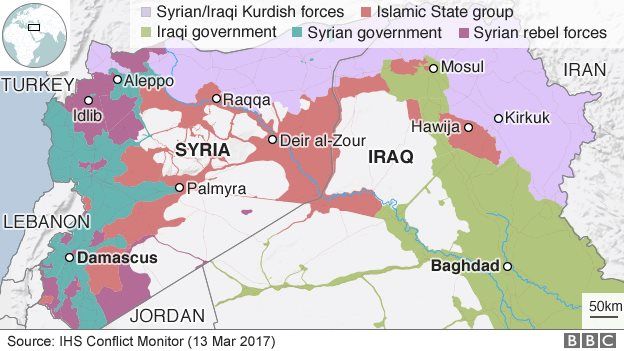
A ransom payment of up to $1 billion to Iranian and al-Qaeda-linked forces in Syria may have been the tipping point for Qatari-Gulf Arab relations, the Financial Times reported on Monday.   According to people involved in the hostage deal, Qatar coughed up the money to release 9 members of the Gulf state’s royal family who were kidnapped in Iraq while on a hunting trip.  Local militia commanders and government officials in the region allege that Doha spent the money in a transaction that secured the release of 26 members of a Qatari falconry group in southern Iraqm 9 of whom are members of the ruling Al-Thani clan. The ransom also includes about 50 militants captured by jihadis in Syria. If they are to be believed, Qatar paid off two of the most infamous groups in the region: an al-Qaeda linked group in Syria and Iranian security officials.  According to local sources, the breakdown of ransom is $120-$140 million to Tahrir al-Sham (former al-Nusra Front) and another $80 million Ahrar al-Sham (Free Men of the Levant) while funneling some $700 million to Tehran.  But how did Qatar strike the deal, and how did they manage to cover the huge amount of money transferring hands? - The Four Towns Deal.  The Four Towns Deal is an agreement reached between warring factions in Syria, and sponsored by - guess who - Qatar. The deal involved four towns in Syria described by UN as "catastrophic", with more than 64,000 civilians "trapped in a cycle of daily violence and deprivation".   Foah and Kefraya, most of whose residents are Shia Muslims, have been encircled by rebels and al-Qaeda-linked Sunni jihadists since March 2015.  Madaya and Zabadani, which are predominantly Sunni Muslims, have meanwhile been besieged since June 2015 by the Syrian army and fighters from Lebanon's Hezbollah.  In the "Four Towns Agreement", the warring parties have allowed the UN and Red Cross to deliver aid on a few occasions in the past two years and to evacuate limited numbers of sick and injured people. Aid convoys last reached the towns on 14 March. Several thousand civilians were also allowed to leave Foah and Kefraya in December as part of a deal that saw the evacuation of a besieged rebel enclave in eastern Aleppo. Madaya and Zabadani residents will be taken to rebel-held areas around the city of Idlib and the town of Jarablus.  Analysts theorized that Qatar has used the deal as a cover to fund jihadists. “If you want to know how Qatar funds jihadists, look no further than the hostage deal,” said a Syrian opposition figure who has worked with an al-Qaeda mediator on hostage swaps in Syria. “And this isn’t the first — it is one of a series since the beginning of the war.”  The deal highlighted why Qatar is frequently accused of funding jihadists in Syria, usually via hostage payments. But perhaps the upsetting fact is that Doha may have paid off Saudi Arabia's main regional rival, Iran, which they accuse of fueling conflicts in the Arab world. The hostage deal, masked by the Four Towns Agreement, is the trigger to this latest and most drastic diplomatic row in the gulf region.  Is there any proof to these outlandish theory? The timeline of events seem to fit. After 16 months in captivity, the Qatari hunting party walked free, returned by their captors to Iraq’s Interior Ministry in Baghdad. They were then delivered to the embassy of Qatar, which for days had stationed a plane at the airport in anticipation of their release. The evacuation of the four villages under the "Four Towns Agreement" happened about the same time.  Iraqi Shiite official said the release of the Qatari prisoners was linked to the safe evacuation of — and delivery of humanitarian aid to — residents of two Shiite villages in Idlib Province, Fouaa and Kfarya. As part of that agreement, residents of two predominantly Sunni villages, Madaya and Zabadani, that have been held by rebels but besieged by forces loyal to the Syrian government are to be bused to safety.  Another interesting note, Haidar al-Abadi, the Iraqi prime minister, said in April his government had seized hundreds of millions of dollars, which Iraqi officials said arrived on Qatari planes “illegally”. It is not clear if this is money is part of the ransom money mentioned above, or an additional amount.  The Qatar News Agency "hacking" incident and the showing of a video which appears to present Qatari Emir Sheikh Tamim bin Hamad al-Thani making inciting statements about Iran and Israel sparked the regional dispute, raised tensions to its highest levels, where it ended in the current situation.
A ransom payment of up to $1 billion to Iranian and al-Qaeda-linked forces in Syria may have been the tipping point for Qatari-Gulf Arab relations, the Financial Times reported on Monday.

 According to people involved in the hostage deal, Qatar coughed up the money to release 9 members of the Gulf state’s royal family who were kidnapped in Iraq while on a falcon hunting trip.

A ransom payment of up to $1 billion to Iranian and al-Qaeda-linked forces in Syria may have been the tipping point for Qatari-Gulf Arab relations, the Financial Times reported on Monday.   According to people involved in the hostage deal, Qatar coughed up the money to release 9 members of the Gulf state’s royal family who were kidnapped in Iraq while on a hunting trip.  Local militia commanders and government officials in the region allege that Doha spent the money in a transaction that secured the release of 26 members of a Qatari falconry group in southern Iraqm 9 of whom are members of the ruling Al-Thani clan. The ransom also includes about 50 militants captured by jihadis in Syria. If they are to be believed, Qatar paid off two of the most infamous groups in the region: an al-Qaeda linked group in Syria and Iranian security officials.  According to local sources, the breakdown of ransom is $120-$140 million to Tahrir al-Sham (former al-Nusra Front) and another $80 million Ahrar al-Sham (Free Men of the Levant) while funneling some $700 million to Tehran.  But how did Qatar strike the deal, and how did they manage to cover the huge amount of money transferring hands? - The Four Towns Deal.  The Four Towns Deal is an agreement reached between warring factions in Syria, and sponsored by - guess who - Qatar. The deal involved four towns in Syria described by UN as "catastrophic", with more than 64,000 civilians "trapped in a cycle of daily violence and deprivation".   Foah and Kefraya, most of whose residents are Shia Muslims, have been encircled by rebels and al-Qaeda-linked Sunni jihadists since March 2015.  Madaya and Zabadani, which are predominantly Sunni Muslims, have meanwhile been besieged since June 2015 by the Syrian army and fighters from Lebanon's Hezbollah.  In the "Four Towns Agreement", the warring parties have allowed the UN and Red Cross to deliver aid on a few occasions in the past two years and to evacuate limited numbers of sick and injured people. Aid convoys last reached the towns on 14 March. Several thousand civilians were also allowed to leave Foah and Kefraya in December as part of a deal that saw the evacuation of a besieged rebel enclave in eastern Aleppo. Madaya and Zabadani residents will be taken to rebel-held areas around the city of Idlib and the town of Jarablus.  Analysts theorized that Qatar has used the deal as a cover to fund jihadists. “If you want to know how Qatar funds jihadists, look no further than the hostage deal,” said a Syrian opposition figure who has worked with an al-Qaeda mediator on hostage swaps in Syria. “And this isn’t the first — it is one of a series since the beginning of the war.”  The deal highlighted why Qatar is frequently accused of funding jihadists in Syria, usually via hostage payments. But perhaps the upsetting fact is that Doha may have paid off Saudi Arabia's main regional rival, Iran, which they accuse of fueling conflicts in the Arab world. The hostage deal, masked by the Four Towns Agreement, is the trigger to this latest and most drastic diplomatic row in the gulf region.  Is there any proof to these outlandish theory? The timeline of events seem to fit. After 16 months in captivity, the Qatari hunting party walked free, returned by their captors to Iraq’s Interior Ministry in Baghdad. They were then delivered to the embassy of Qatar, which for days had stationed a plane at the airport in anticipation of their release. The evacuation of the four villages under the "Four Towns Agreement" happened about the same time.  Iraqi Shiite official said the release of the Qatari prisoners was linked to the safe evacuation of — and delivery of humanitarian aid to — residents of two Shiite villages in Idlib Province, Fouaa and Kfarya. As part of that agreement, residents of two predominantly Sunni villages, Madaya and Zabadani, that have been held by rebels but besieged by forces loyal to the Syrian government are to be bused to safety.  Another interesting note, Haidar al-Abadi, the Iraqi prime minister, said in April his government had seized hundreds of millions of dollars, which Iraqi officials said arrived on Qatari planes “illegally”. It is not clear if this is money is part of the ransom money mentioned above, or an additional amount.  The Qatar News Agency "hacking" incident and the showing of a video which appears to present Qatari Emir Sheikh Tamim bin Hamad al-Thani making inciting statements about Iran and Israel sparked the regional dispute, raised tensions to its highest levels, where it ended in the current situation.
One of the Qataris, Sheikh Nayef bin Eid Mohammed Al Thani, posted a series of photographs on the internet about a week before the kidnapping 
Local militia commanders and government officials in the region allege that Doha spent the money in a transaction that secured the release of 26 members of a Qatari falconry group in southern Iraq 9 of whom are members of the ruling Al-Thani clan. The ransom also includes about 50 militants captured by jihadis in Syria. If they are to be believed, Qatar paid off two of the most infamous groups in the region: an al-Qaeda linked group in Syria and Iranian security officials.

According to local sources, the breakdown of ransom is $120-$140 million to Tahrir al-Sham (former al-Nusra Front) and another $80 million Ahrar al-Sham (Free Men of the Levant) while funneling some $700 million to Tehran.

But how did Qatar strike the deal, and how did they manage to cover the huge amount of money transferring hands? - The Four Towns Deal.
The Four Towns Deal is an agreement reached between warring factions in Syria, and sponsored by - guess who - Qatar. The deal involved four towns in Syria described by UN as "catastrophic", with more than 64,000 civilians "trapped in a cycle of daily violence and deprivation". 
A ransom payment of up to $1 billion to Iranian and al-Qaeda-linked forces in Syria may have been the tipping point for Qatari-Gulf Arab relations, the Financial Times reported on Monday.   According to people involved in the hostage deal, Qatar coughed up the money to release 9 members of the Gulf state’s royal family who were kidnapped in Iraq while on a hunting trip.  Local militia commanders and government officials in the region allege that Doha spent the money in a transaction that secured the release of 26 members of a Qatari falconry group in southern Iraqm 9 of whom are members of the ruling Al-Thani clan. The ransom also includes about 50 militants captured by jihadis in Syria. If they are to be believed, Qatar paid off two of the most infamous groups in the region: an al-Qaeda linked group in Syria and Iranian security officials.  According to local sources, the breakdown of ransom is $120-$140 million to Tahrir al-Sham (former al-Nusra Front) and another $80 million Ahrar al-Sham (Free Men of the Levant) while funneling some $700 million to Tehran.  But how did Qatar strike the deal, and how did they manage to cover the huge amount of money transferring hands? - The Four Towns Deal.  The Four Towns Deal is an agreement reached between warring factions in Syria, and sponsored by - guess who - Qatar. The deal involved four towns in Syria described by UN as "catastrophic", with more than 64,000 civilians "trapped in a cycle of daily violence and deprivation".   Foah and Kefraya, most of whose residents are Shia Muslims, have been encircled by rebels and al-Qaeda-linked Sunni jihadists since March 2015.  Madaya and Zabadani, which are predominantly Sunni Muslims, have meanwhile been besieged since June 2015 by the Syrian army and fighters from Lebanon's Hezbollah.  In the "Four Towns Agreement", the warring parties have allowed the UN and Red Cross to deliver aid on a few occasions in the past two years and to evacuate limited numbers of sick and injured people. Aid convoys last reached the towns on 14 March. Several thousand civilians were also allowed to leave Foah and Kefraya in December as part of a deal that saw the evacuation of a besieged rebel enclave in eastern Aleppo. Madaya and Zabadani residents will be taken to rebel-held areas around the city of Idlib and the town of Jarablus.  Analysts theorized that Qatar has used the deal as a cover to fund jihadists. “If you want to know how Qatar funds jihadists, look no further than the hostage deal,” said a Syrian opposition figure who has worked with an al-Qaeda mediator on hostage swaps in Syria. “And this isn’t the first — it is one of a series since the beginning of the war.”  The deal highlighted why Qatar is frequently accused of funding jihadists in Syria, usually via hostage payments. But perhaps the upsetting fact is that Doha may have paid off Saudi Arabia's main regional rival, Iran, which they accuse of fueling conflicts in the Arab world. The hostage deal, masked by the Four Towns Agreement, is the trigger to this latest and most drastic diplomatic row in the gulf region.  Is there any proof to these outlandish theory? The timeline of events seem to fit. After 16 months in captivity, the Qatari hunting party walked free, returned by their captors to Iraq’s Interior Ministry in Baghdad. They were then delivered to the embassy of Qatar, which for days had stationed a plane at the airport in anticipation of their release. The evacuation of the four villages under the "Four Towns Agreement" happened about the same time.  Iraqi Shiite official said the release of the Qatari prisoners was linked to the safe evacuation of — and delivery of humanitarian aid to — residents of two Shiite villages in Idlib Province, Fouaa and Kfarya. As part of that agreement, residents of two predominantly Sunni villages, Madaya and Zabadani, that have been held by rebels but besieged by forces loyal to the Syrian government are to be bused to safety.  Another interesting note, Haidar al-Abadi, the Iraqi prime minister, said in April his government had seized hundreds of millions of dollars, which Iraqi officials said arrived on Qatari planes “illegally”. It is not clear if this is money is part of the ransom money mentioned above, or an additional amount.  The Qatar News Agency "hacking" incident and the showing of a video which appears to present Qatari Emir Sheikh Tamim bin Hamad al-Thani making inciting statements about Iran and Israel sparked the regional dispute, raised tensions to its highest levels, where it ended in the current situation.
Foah and Kefraya, most of whose residents are Shia Muslims, have been encircled by rebels and al-Qaeda-linked Sunni jihadists since March 2015.

Madaya and Zabadani, which are predominantly Sunni Muslims, have meanwhile been besieged since June 2015 by the Syrian army and fighters from Lebanon's Hezbollah.


In the "Four Towns Agreement", the warring parties have allowed the UN and Red Cross to deliver aid on a few occasions in the past two years and to evacuate limited numbers of sick and injured people. Aid convoys last reached the towns on 14 March. Several thousand civilians were also allowed to leave Foah and Kefraya in December as part of a deal that saw the evacuation of a besieged rebel enclave in eastern Aleppo. Madaya and Zabadani residents will be taken to rebel-held areas around the city of Idlib and the town of Jarablus.

Analysts theorized that Qatar has used the deal as a cover to fund jihadists. “If you want to know how Qatar funds jihadists, look no further than the hostage deal,” said a Syrian opposition figure who has worked with an al-Qaeda mediator on hostage swaps in Syria. “And this isn’t the first — it is one of a series since the beginning of the war.”

The deal highlighted why Qatar is frequently accused of funding jihadists in Syria, usually via hostage payments. But perhaps the upsetting fact is that Doha may have paid off Saudi Arabia's main regional rival, Iran, which they accuse of fueling conflicts in the Arab world. The hostage deal, masked by the Four Towns Agreement, is the trigger to this latest and most drastic diplomatic row in the gulf region.

Is there any proof to these outlandish theory? The timeline of events seem to fit. After 16 months in captivity, the Qatari hunting party walked free, returned by their captors to Iraq’s Interior Ministry in Baghdad. They were then delivered to the embassy of Qatar, which for days had stationed a plane at the airport in anticipation of their release. The evacuation of the four villages under the "Four Towns Agreement" happened about the same time.

Iraqi Shiite official said the release of the Qatari prisoners was linked to the safe evacuation of — and delivery of humanitarian aid to — residents of two Shiite villages in Idlib Province, Fouaa and Kfarya. As part of that agreement, residents of two predominantly Sunni villages, Madaya and Zabadani, that have been held by rebels but besieged by forces loyal to the Syrian government are to be bused to safety.
A ransom payment of up to $1 billion to Iranian and al-Qaeda-linked forces in Syria may have been the tipping point for Qatari-Gulf Arab relations, the Financial Times reported on Monday.   According to people involved in the hostage deal, Qatar coughed up the money to release 9 members of the Gulf state’s royal family who were kidnapped in Iraq while on a hunting trip.  Local militia commanders and government officials in the region allege that Doha spent the money in a transaction that secured the release of 26 members of a Qatari falconry group in southern Iraqm 9 of whom are members of the ruling Al-Thani clan. The ransom also includes about 50 militants captured by jihadis in Syria. If they are to be believed, Qatar paid off two of the most infamous groups in the region: an al-Qaeda linked group in Syria and Iranian security officials.  According to local sources, the breakdown of ransom is $120-$140 million to Tahrir al-Sham (former al-Nusra Front) and another $80 million Ahrar al-Sham (Free Men of the Levant) while funneling some $700 million to Tehran.  But how did Qatar strike the deal, and how did they manage to cover the huge amount of money transferring hands? - The Four Towns Deal.  The Four Towns Deal is an agreement reached between warring factions in Syria, and sponsored by - guess who - Qatar. The deal involved four towns in Syria described by UN as "catastrophic", with more than 64,000 civilians "trapped in a cycle of daily violence and deprivation".   Foah and Kefraya, most of whose residents are Shia Muslims, have been encircled by rebels and al-Qaeda-linked Sunni jihadists since March 2015.  Madaya and Zabadani, which are predominantly Sunni Muslims, have meanwhile been besieged since June 2015 by the Syrian army and fighters from Lebanon's Hezbollah.  In the "Four Towns Agreement", the warring parties have allowed the UN and Red Cross to deliver aid on a few occasions in the past two years and to evacuate limited numbers of sick and injured people. Aid convoys last reached the towns on 14 March. Several thousand civilians were also allowed to leave Foah and Kefraya in December as part of a deal that saw the evacuation of a besieged rebel enclave in eastern Aleppo. Madaya and Zabadani residents will be taken to rebel-held areas around the city of Idlib and the town of Jarablus.  Analysts theorized that Qatar has used the deal as a cover to fund jihadists. “If you want to know how Qatar funds jihadists, look no further than the hostage deal,” said a Syrian opposition figure who has worked with an al-Qaeda mediator on hostage swaps in Syria. “And this isn’t the first — it is one of a series since the beginning of the war.”  The deal highlighted why Qatar is frequently accused of funding jihadists in Syria, usually via hostage payments. But perhaps the upsetting fact is that Doha may have paid off Saudi Arabia's main regional rival, Iran, which they accuse of fueling conflicts in the Arab world. The hostage deal, masked by the Four Towns Agreement, is the trigger to this latest and most drastic diplomatic row in the gulf region.  Is there any proof to these outlandish theory? The timeline of events seem to fit. After 16 months in captivity, the Qatari hunting party walked free, returned by their captors to Iraq’s Interior Ministry in Baghdad. They were then delivered to the embassy of Qatar, which for days had stationed a plane at the airport in anticipation of their release. The evacuation of the four villages under the "Four Towns Agreement" happened about the same time.  Iraqi Shiite official said the release of the Qatari prisoners was linked to the safe evacuation of — and delivery of humanitarian aid to — residents of two Shiite villages in Idlib Province, Fouaa and Kfarya. As part of that agreement, residents of two predominantly Sunni villages, Madaya and Zabadani, that have been held by rebels but besieged by forces loyal to the Syrian government are to be bused to safety.  Another interesting note, Haidar al-Abadi, the Iraqi prime minister, said in April his government had seized hundreds of millions of dollars, which Iraqi officials said arrived on Qatari planes “illegally”. It is not clear if this is money is part of the ransom money mentioned above, or an additional amount.  The Qatar News Agency "hacking" incident and the showing of a video which appears to present Qatari Emir Sheikh Tamim bin Hamad al-Thani making inciting statements about Iran and Israel sparked the regional dispute, raised tensions to its highest levels, where it ended in the current situation.
Civilians being evacuated as part of the Four Towns Deal
Another interesting note, Haidar al-Abadi, the Iraqi prime minister, said in April his government had seized hundreds of millions of dollars, which Iraqi officials said arrived on Qatari planes “illegally”. It is not clear if this money is part of the ransom money mentioned above, or an additional amount.

The Qatar News Agency "hacking" incident and the showing of a video which appears to present Qatari Emir Sheikh Tamim bin Hamad al-Thani making inciting statements about Iran and Israel worsened the regional dispute and raised tensions to its highest levels, where it ended in the current situation.

source: FT. Al Bab


SEE ALSO

©2017 THOUGHTSKOTO
SEARCH JBSOLIS, TYPE KEYWORDS and TITLE OF ARTICLE at the box below

Monday, April 17, 2017

3 Middle East Airlines Do not Impose a Laptop Ban

They said, "In everything, there's an opposition."   These saying is the best to describe what four airlines do as a counter to the US Department of Homeland Security's ban on large electronic that covers nine airlines.  Under the ban, passengers are not allowed to bring any electronic devices larger than a cell phone into the cabin of non-stop flights to the US from 10 airports in the Middle East and North Africa.  We all know that many travelers are inseparable with their gadgets.


(Watch:Emirates Tries to Beat Electronics Carry-On Ban

They said, "In everything, there's an opposition." 

These saying is the best to describe what four airlines do as a counter to the US Department of Homeland Security's ban on large electronic that covers nine airlines.

Under the ban, passengers are not allowed to bring any electronic devices larger than a cell phone into the cabin of non-stop flights to the US from 10 airports in the Middle East and North Africa.

We all know that many travelers are inseparable with their gadgets.


While the US and the British government impose the electronic ban, there are airlines who actually work hard to counter it.

These airlines include Emirates, Qatar Airways, Etihad, and Turkish Airlines. 

These four airlines also represent the first-, second-, sixth-, and seven-ranked carriers in the world according to respected consumer-aviation website Skytrax.

Instead of following the electronic ban of US, Emirates announced a service that will allow passengers to use their laptops and tablets until it's time to board their US-bound flights instead of checking them with their luggage.


Prior to boarding, passengers hand over their laptops and other electronic devices to staff members to who pack them in secure boxes before storing them in the cargo hold.

Emirates Airline president Sir Tim Clark said this is to ensure compliance with the new rules while minimizing disruption to passenger flow and impact on customer experience.

"Our new complimentary service enables passengers, particularly those flying for business, to have the flexibility to use their devices until the last possible moment."


Turkish Airlines has joined Emirates with a similar laptop handling policy. According to Turkish, passengers' electronic devices will be packed in secure boxes at the departure gate. Once in the US, the boxes will be returned to them by the airline. To ensure security, airline employees will personally return each box to its rightful owner by matching baggage tag numbers.

In addition, Turkish Airlines announced on Twitter this week that passengers who turn in their laptops and tablets at boarding would receive free WiFi on board the flight.

Skytrax has named the Istanbul, Turkey-based carrier Europe's best airline six years in a row.

Saudia also tweeted that all passengers going to or returning from the US and UK will get 20 MB of free WiFi access.

Aside from those airlines, Etihad joined the group by announcing that first and business class passengers on flights to the US will have access to complimentary WiFi and loaner iPads.


"To help guests keep in touch with work, friends, and family, we are offering First & Business Class guests free WiFi and iPads on all our US-bound flights, beginning Sunday, April 2," Etihad said


"Wi-Fi vouchers will be distributed by our cabin crew onboard, providing free Wi-Fi for the duration of the flight. In addition, we’ll have iPads available for those that need them. Power and USB sockets at every seat will help keep devices charged."

On the other hand, Qatar Airways offered its business class passengers free loaner laptops along with an hour of free WiFi on all of it's to the US. 


"By providing this laptop loan service we can ensure that our passengers on flights to the US can continue to work whilst onboard," Qatar Airways Group's CEO, Akbar Al Baker, said in a statement. "This unique ability to offer 'business as usual,' above and beyond the competition, is yet another example of Qatar Airways justification for being the 'World's Best Business Class.'"


Pakistan International Airlines is another airline that contradicts the electronic ban.


SEE MORE: 


©2017 THOUGHTSKOTO
SEARCH JBSOLIS

Tuesday, October 04, 2016

QATAR OFFERS FREE VISA TO ALL TRANSIT PASSENGERS


QATAR OFFERS FREE VISA TO ALL TRANSIT PASSENGERS To step up the promotion of Qatar as a world-class stop-over destination, the Qatar Tourism Authority (QTA) has declared a revised, free tourism visa scheme for all passenger transiting through the capital, Doha.


To step up the promotion of Qatar as a world-class stop-over destination, the Qatar Tourism Authority (QTA) has declared a revised, free tourism visa scheme for all passenger transiting through the capital, Doha.

The QTA is with Qatar Airways (QA) and Qatar’s Ministry of Interior (MoI) in the said declaration.  The new transit visa structure allows passengers with a minimum transit time of five hours at Hamad International Airport (HIA) to stay in Qatar for up to 96 hours or an equivalent of four days.

The QTA is with Qatar Airways (QA) and Qatar’s Ministry of Interior (MoI) in the said declaration.

The new transit visa structure allows passengers with a minimum transit time of five hours at Hamad International Airport (HIA) to stay in Qatar for up to 96 hours or an equivalent of four days.

This is a significant increase from the previous transit visa scheme, which allowed travelers with a minimum layover of eight hours and a maximum of 48 hours or two days in Qatar


 The transit visa will be available on arrival at HIA to passengers of all nationalities upon confirmation of onward journey and completion of passport control procedures. 

All visas are approved and issued at the sole discretion of MoI.


In line with this Qatar Airways has also restructured their fares to promote the initiative.

According to Qatar Airways Chief Executive, Akbar al-Baker, the airline company wants to enhance the journey of all its passengers.

QTA’s chief tourism development officer Hassan al-Ibrahim said many passengers can get a chance to see hidden beauty of Qatar by offering an enhanced transit visa to passengers traveling through HIA.

He added Qatar will be more accessible to people from around the world and invite them to discover the country, its cultural heritage and natural treasures.


TOP TOURISTS DESTINATION IN QATAR


In line with this Qatar Airways has also restructured their fares to promote the initiative.  According to Qatar Airways Chief Executive, Akbar al-Baker, the airline company wants to enhance the journey of all its passengers.  QTA’s chief tourism development officer Hassan al-Ibrahim said many passengers can get a chance to see hidden beauty of Qatar by offering an enhanced transit visa to passengers traveling through HIA.  He added Qatar will be more accessible to people from around the world and invite them to discover the country, its cultural heritage and natural treasures.  TOP TOURISTS DESTINATION IN QATAR
Museum of Islamic Art, Doha, Qatar
(Photo Credit to www.lonelyplanet.com)


Zubarah Fort
(Photo Credit to en.wikipedia.org)

Al Khor


Dukhan & Zekreet
(Photo Credit to stopovertrips.com)


Katara Towers, Lusail Marina District
(Photo Credit to www.katarahospitality.com)


©2016 THOUGHTSKOTO

Monday, October 12, 2015

Baggage Allowance Info Middle East to Philippines to Middle East Airlines


The following are the baggage allowance gathered from the official website of each airline if you are travelling from Middle East to the Philippines or vice versa.


The table below is a summary of baggage allowance in different airlines based on economy class for those bound or originating from Middle East, the information is based from the website of each airline company.
These airlines may update their baggage allowance policy without notice. We encourage that you contact them to verify your allowed baggage allowance base on your booking.


AIRLINES
ECONOMY CLASS/KILOS
HandCarry

1pc x 32 kg or
 2 pcs x 23 kilos  baggage
7 Kilos max
 1 Piece 30 Kilos
7 Kilos max
30 kilos max
7 kilos
30 kilos  max
6 kilos
2 piece x 23 kilos max
7 kilos
30 kilos max
7 kilos
30 kilos max
7 kilos
 2 Pieces x 23 kgs  each
7 Kilos max
20 Kilos 
50 Kilos
7 kilos
7 Kilos


If you are not originating or your destination, is not in Middle East, the detailed information on their baggage allowance can be found below specific to each airline company. All the information published here are based on the information found from the airline's website. The policy of each airline may change without notice. We encourage that you verify with your travel agent or airline company the baggage allowance based on your flight booking.


International Flights Free Baggage Allowance (effective 01 June 2014)

Unless otherwise provided in the e-ticket, the following FBA and Excess Baggage Charge (EBC) shall apply on PAL operated flights: 
Free Baggage Allowance

Class of ServiceMax. PiecesDimensions
(l + w + h)
Weight
Premium 
Business 
Class/

Business Class
(I, D Class)
Between USA/Hawaii/Canada and Area 2* and Area 3*/Transborder Between YVR and JFK
2Total of 124 in. (316cm) for the 2 pieces with no piece exceeding 62 in. (158cm)Total of 140 lbs. (64kgs) for the 2 pieces with no piece exceeding 70 lbs. (32kgs)
Between Guam and Philippines/ Area 3*
2Total of 124 in. (316cm) for the 2 pieces with no piece exceeding 62 in. (158cm)Total of 100 lbs. (46kgs) for the 2 pieces with no piece exceeding 50 lbs. (23kgs)
To/From Tokyo, Nagoya, Osaka, Fukuoka and Area 1*, Area 2* and Area 3* (effective for tickets issued on/after 08 Jan 2015)
2Total of 124 in. (237cm) for the 2 pieces with no piece exceeding 62 in. (158cm)Total of 140 lbs. (64kgs) for the 2 pieces with no piece exceeding 70lbs. (32kgs)
Business
Class
(Z Class)
Between USA/Hawaii/Canada and Area 2* and Area 3*/Transborder Between YVR and JFK
2Total of 124 in (316 cm) for the 2 pieces with no piece exceeding 62 in (158cm)Total of 100 lbs. (46kgs) for the 2 pieces with no piece exceeding 50 lbs. (23kgs)
Between Guam and Philippines/ Area 3*
2Total of 124 in (316 cm) for the 2 pieces with no piece exceeding 62 in (158cm)Total of 100 lbs. (46kgs) for the 2 pieces with no piece exceeding 50 lbs. (23kgs)
To/From Tokyo, Nagoya, Osaka, Fukuoka and Area 1*, Area 2* and Area 3* (effective for tickets issued on/after 08 Jan 2015)
2Total of 124 in (237 cm) for the 2 pieces with no piece exceeding 62 in (158cm)Total of 140lbs. (64kgs) for the 2 pieces with no piece exceeding 70lbs (32kgs)
Economy Class Between USA/Hawaii/Canada and Area2*/Area3*
2Total of 107 in (273 cm) for the 2 pieces with no piece exceeding 62 in (158cm)Total of 100 lbs (46kgs) for the 2 pieces with no piece exceeding 50lbs. (23kgs.)
Between Guam and Area 3* (effective 01 Feb 2015)
2Should not be more than 62 in (158cm)Should not be more than 50 lbs (23kgs)
To/From Tokyo, Nagoya, Osaka, Fukuoka and Area 1*, Area 2* and Area 3* (effective for tickets issued on/after 08 Jan 2015)
2Total of 107 in (273 cm) for the 2 pieces with no piece exceeding 62 in (158cm)Total of 100 lbs (46kgs) for the 2 pieces with no piece exceeding 50lbs. (23kgs.)
Budget EconomyTo/From Tokyo, Nagoya, Osaka, Fukuoka and Area 1*, Area 2* and Area 3* (effective for tickets issued on/after 08 Jan 2015)
2Should not be more than 62 in (158cm)Should not be more than 50 lbs (23kgs)
*Area 1- North America, Central America, Caribbean Area Sub-Area, South America
*Area 2- Europe, Africa, Middle East
*Area 3- South Asia, South Asian or Indian Sub Continent, Japan/Korea, North/ Central Pacific, Southwest Pacific

40kg

Cabin class
Allowance
PPS Club
KrisFlyer Elite Gold / Star Alliance Gold
Suites
50kg
100% extra
70kg
First 
50kg
100% extra
70kg
Business 
40kg
100% extra
60kg
Premium Economy 
35kg
100% extra
55kg
Economy 
30kg
100% extra
50kg
Infants are allowed 10kg of baggage. Additionally, a fully collapsible stroller or pushchair and carry-cot or car seat may be checked in without charge.

Piece concept - applicable for flights to/from the United States / Brazil

Cabin classTo / From United StatesTo/From BrazilPPS Club
KrisFlyer Elite Gold /
Star Alliance Gold
Suites
2 pieces, up to 32kg each2 pieces, up to 32kg each100% extra1 extra piece
First 2 pieces, up to 32kg each2 pieces, up to 32kg each100% extra1 extra piece
Business 2 pieces, up to 32kg each2 pieces, up to 32kg each100% extra1 extra piece
Premium Economy 2 pieces, up to 23kg each2 pieces, up to 32kg each100% extra1 extra piece
Economy 2 pieces, up to 23kg each2 pieces, up to 32kg each100% extra1 extra piece

Infants are entitled to one piece of baggage. In addition, a fully collapsible stroller or pushchair and carry-cot or car seat may be checked in without charge.
The sum of the length, width and height of each piece of baggage for all classes should not exceed 158cm (62in).

Checked baggage allowance
First ClassBusiness ClassEconomy Class
Flights to and from Brazil 2 pieces, each not to exceed 32kg (70lb) and a maximum dimension of 158cm (62in)
Flights between Brazil and Argentina2 pieces, each not to exceed 32kg (70lb) and a maximum dimension of 158cm (62in)
2 pieces, each not to exceed 23kg (50lb) and a maximum dimension of 158cm (62in)
All other flights to and from Argentina, Canada, and the U.S.2 pieces, each not to exceed 32kg (70lb) and a maximum dimension of 158cm (62in)
2 pieces, each not to exceed 23kg (50lb) and a maximum dimension of 158cm (62in)
Flights to and from all other destinations50kg (110lb) and a maximum dimension of 300 cm (118in)40kg (88lb) and a maximum dimension of 300 cm (118in)30kg (66lb) and a maximum dimension of 300 cm (118in)
  • Maximum dimension = length + width + height
  • Baggage allowances may vary according to route and cabin class. Please check the exact baggage regulations printed on your ticket.
  • Excess baggage charges may apply if you exceed the weight and/or piece allowances. Contact your local Qatar Airways office for more information.
  • A single piece of checked baggage must not weigh more than 32kg (70lb). Any bags weighing more than 32kg (70lb) must be broken down such that each piece weighs less than 32kg (70lb).

Weight concept
  • 30kg in Economy Class
  • 40kg in Business Class
  • 50kg in First Class
For tickets issued on or after 15th November 2014Individual items with total dimensions exceeding 300cm (118 inches) cannot be transported as checked baggage, and must be sent as cargo or freight. There are no exceptions to this rule.
Baggage policy for Canada, North America or South AmericaFor itineraries including any destinations in Canada, North or South America, different baggage rules apply. For Canada and North America, customers are allowed two bags of up to 23kg each in Economy Class, and two bags of up to 32kg each in First Class or Business Class. For South America, customers are allowed two bags of up to 32kg each in all classes.
For travel on Emirates from Australia, New Zealand or Asia to North or South America which includes a stopover in Dubai greater than 24 hours, or a sector in Europe or Africa, the weight concept will apply for the entire ticketed journey.
To see details of the baggage policies and the excess baggage rates for your journey, please use our baggage allowance calculator 


CHECKED BAGGAGE
Checked baggage allowances on tickets issued wholly on Gulf Air operated flights
Total weight:
  • Falcon Gold passengers: 40 kg
  • Economy Class passengers: 30 kg
Size of Checked Baggage
Airport baggage systems are unable to carry all sizes of baggage; therefore Gulf Air states that baggage dimensions should not exceed the below:
  • Length 95cms (38ins)
  • Height 75cms (30ins)
  • Width 45cms (18ins)
  

Journeys from Philippines or Indonesia to Bahrain, UAE, Kuwait, Oman, Qatar or Saudi Arabia

All Fare Choices
  • Economy Class: 2 bags, up to 23kg each
  • Business Class: 2 bags, up to 32kg each
  • First Class: 2 bags, up to 32kg each
Journeys from UAE, Bahrain, Kuwait, Oman, Qatar, or Saudi Arabia to Philippines or Indonesia

All Fare Choices
  • Economy Class: 2 bags, up to 23kg each
  • Business Class: 2 bags, up to 32kg each
  • First Class: 2 bags, up to 32kg each

 * For non-stop flights between Hong Kong and Doha without extra sectors (wholly within Hong Kong and Qatar), on Cathay Pacific Airways or Qatar Airways only. 

Passenger typePiece allowanceWeight / Dimensions allowance
Adults/ChildrenNo restriction on the number of piecesMaximum combined weight (See Note 1):
First: 50kg (110lbs)
Business: 40kg (88lbs)
Premium Economy: 35kg (77lbs)
Economy: 30kg (66lbs)
Infants (See Note 2)No restriction on the number of piecesMaximum combined weight (See Note 1):
First/Business/Premium Economy/Economy: 10kg (22lbs) + car seat + stroller
Members of The Marco Polo ClubNo restriction on the number of pieces
Maximum combined weight (See Note 1):
Diamond Member: Additional 20kg (44lbs)
Gold Member: Additional 15kg (33lbs)
Silver Member: Additional 10kg (22lbs)
(Applicable to Cathay Pacific flights only)
Members of oneworld airline frequent flyer programmesNo restriction on the number of pieces
Maximum combined weight (See Note 1):
Emerald Member: Additional 20kg (44lbs)
Sapphire Member: Additional 15kg (33lbs)
(Applicable to Cathay Pacific flights only)


Weight Concept 
Any point excluding United States of America and Canada The free baggage allowance for checked baggage is as follows: 
Adults
  • 40 kgs ( 88 lb ) for passengers paying a First Class fare.
  • 30 kgs ( 66 lb ) for passengers paying an Business Class fare.
  • 20 kgs ( 44 lb ) for passengers paying an Economy Class fare.
Children - Over two Years of age
Same as adults. 
Free baggage allowance (piece concept) shall be: 
Whenever passenger journey originates or terminates in USA/Canada Kuwait Airways shall apply the Piece Concept on its routes whenever/wherever the baggage is through checked to final destination. However if the baggage is not through checked and the passenger breaks his, he will be entitled for piece concept free allowance as long as he does not exceed the free allowance. 

Adults 
First Class Passengers: 
2 checked bags (pieces), of which the total sum of the 3 dimensions (Width + length + height) shall not exceed 158 cm (62") for each bag piece. 
The maximum weight of any checked baggage (piece) of the free baggage allowance shall not exceed 32 kgs (70 lbs) 

Oasis/Business Class Passengers: 
Same as First Class passengers. 

Economy Class Passengers: 
2 checked bags (pieces), of which the total sum of the 3 dimensions shall not exceed 158 cm (62") ; provided that the addition of such two sums shall not exceed 273 cm (107") e.g., ( if one piece measures 158 cm, the second one should not exceed 115 cm ) 
The maximum weight of any checked baggage (piece) of the free baggage allowance shall not exceed 23 kgs (50 lbs) 
For Infants checked baggage: the free baggage allowance shall not exceed 10 kgs (22 lbs). 
Free Baggage Allowance and Baggage Fees for International flights

Sector
(From/To)
First
Class
Business
Class
Guest
Class

USA*
Canada*


2 X


2 X


2 X

EU
UK
Middle East
Africa
Asia
Arabian Gulf


2 X


2 X


Or
2 X

Number of pieces shown when issuing the ticket


©2015 THOUGHTSKOTO