Carousel

Sponsored Links

Looking for House and Lot Within Tagaytay Area? CONTACT US!

Name

Email *

Message *

Sunday, March 03, 2019

Four One-story House Designs For A One-story Living Inspiration

Everything we love about one-story living is a perfect starter home for any first-time homeowner and their family. The perfect low maintenance home features two to three bedrooms, two bathrooms, living room, dining area and an open plan kitchen. Well-designed small lot home giving you the perfect combination of functionality, security, private and easy living for any first-time homeowners.


Ads

These one-story houses have a modern feature such as huge windows, vaulted ceilings, glass doors and windows which additional sense of space that many homeowners are looking for. With that being said, we want to introduce our selections of one-story house designs for a one-story living inspiration.

HOUSE DESIGN NO. 1


Ads


Sponsored Links


HOUSE DESIGN NO. 2


HOUSE DESIGN NO. 3


HOUSE DESIGN NO. 4


SEE MORE:

©2019 THOUGHTSKOTO

Saturday, March 02, 2019

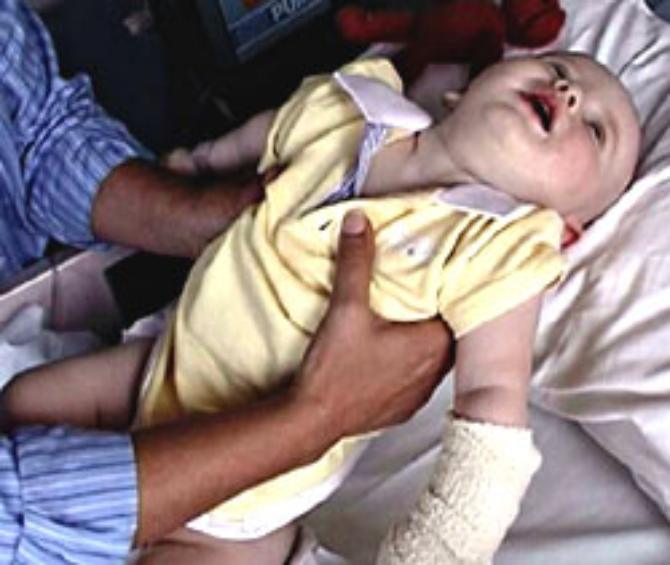
Botulism: A 6-month-old Baby Died After Being Fed With Honey By Parents

Be extra careful when feeding your young infants with anything. Sometimes, our eagerness to give our babies nutritious foods may put their health at risk or even worse, it may cost them their life.
Be warned: Do not give honey to babies younger than one!
 Doing so poses the grave risk of botulism in babies.


Be extra careful when feeding your young infants with anything. Sometimes, our eagerness to give our babies nutritious foods may put their health at risk or even worse, it may cost them their life.  Be warned: Do not give honey to babies younger than one!   Doing so poses the grave risk of botulism in babies.      Ads    A little baby, just six months old, died after his family fed him honey. They were unaware that babies should not be fed honey. Botulism in Babies: Baby's Death Highlights Grave Dangers  According to the report published in The Japan Times, a six-month-old boy in Adachi Ward, Tokyo, died of infant botulism after his family fed him honey.  The honey, according to the report, was mixed in juice and they were giving it to the baby twice a day for about a month.  “We were mixing the honey into store-bought juice and feeding it to our baby because we thought it was good for his body,” a member of the family said. Sadly, the baby had to be rushed to hospital after going into convulsions and suffering respiratory failure.   According to the tests,  the honey, which the baby ingested, was contaminated with toxin-producing bacteria known as Clostridium botulinum, a clear case of botulism poisoning.  After a month, the baby died. It was the first death caused by infant botulism in Japan since 1986.   According to the health ministry, Japan’s first recorded case of the disease was confirmed in Chiba Prefecture in 1986 and the ministry issued a warning the following year to prefectures nationwide not to feed honey to babies. What Is Botulism in Babies?  Infant botulism can occur when newborns, who have immature digestive systems, ingest bacteria that produces toxins inside the bowels.   It is caused by exposure to Clostridium botulinum (C. botulinum) spores. Bacteria from the spores can grow and multiply in a baby's intestines, producing a dangerous toxin.  The condition can occur in infants up to 12 months of age, because young babies have immature digestive systems.   Signs and symptoms of botulism in babies begin after three to 30 days after an infant ingests the spores.  Though infant botulism can be treated, it is important to get medical care as soon as possible. Take your baby to the doctor right away if you spot any of these warning signs.  Constipation is often the first sign of botulism that parents notice. It is typically accompanied by floppy movements, weakness, and difficulty in sucking or feeding.  Other symptoms of botulism in babies can include: Flat facial expression Poor feeding (weak sucking) Weak cry Decreased movement Trouble swallowing with excessive drooling Muscle weakness Breathing problems Preventing Botulism in Babies  One important way to reduce the risk of botulism in babies is to not give infants honey or any processed food containing honey before their first birthday.   Honey is a proven source of the bacteria Clostridium botulinum. These bacteria are harmless to older kids and adults because their digestive systems are more mature.  It is best to pressure-cook home-canned foods to reduce the risk of contamination with C. botulinum spores. Boil home-canned foods for 10 minutes before serving them.  Also, Clostridium botulinum spores are everywhere in the environment. They're in dust and dirt, and even in the air. Avoid infant exposure to potentially contaminated soil or dust. Exposure to contaminated soil occurs most often near construction and agricultural sites or other areas where soil is disturbed.
Ads


A little baby, just six months old, died after his family fed him honey. They were unaware that babies should not be fed honey.
Botulism in Babies: Baby's Death Highlights Grave Dangers

According to the report published in The Japan Times, a six-month-old boy in Adachi Ward, Tokyo, died of infant botulism after his family fed him honey.

The honey, according to the report, was mixed in juice and they were giving it to the baby twice a day for about a month.

“We were mixing the honey into store-bought juice and feeding it to our baby because we thought it was good for his body,” a member of the family said.
Sadly, the baby had to be rushed to hospital after going into convulsions and suffering respiratory failure. 

According to the tests,  the honey, which the baby ingested, was contaminated with toxin-producing bacteria known as Clostridium botulinum, a clear case of botulism poisoning.

After a month, the baby died. It was the first death caused by infant botulism in Japan since 1986.


According to the health ministry, Japan’s first recorded case of the disease was confirmed in Chiba Prefecture in 1986 and the ministry issued a warning the following year to prefectures nationwide not to feed honey to babies.

What Is Botulism in Babies?
Infant botulism can occur when newborns, who have immature digestive systems, ingest bacteria that produces toxins inside the bowels.

It is caused by exposure to Clostridium botulinum (C. botulinum) spores. Bacteria from the spores can grow and multiply in a baby's intestines, producing a dangerous toxin.

The condition can occur in infants up to 12 months of age, because young babies have immature digestive systems.

Signs and symptoms of botulism in babies begin after three to 30 days after an infant ingests the spores.

Though infant botulism can be treated, it is important to get medical care as soon as possible. Take your baby to the doctor right away if you spot any of these warning signs.

Constipation is often the first sign of botulism that parents notice. It is typically accompanied by floppy movements, weakness, and difficulty in sucking or feeding.

Other symptoms of botulism in babies can include:
Flat facial expression
Poor feeding (weak sucking)
Weak cry
Decreased movement
Trouble swallowing with excessive drooling
Muscle weakness
Breathing problems
Preventing Botulism in Babies

One important way to reduce the risk of botulism in babies is to not give infants honey or any processed food containing honey before their first birthday.

Honey is a proven source of the bacteria Clostridium botulinum. These bacteria are harmless to older kids and adults because their digestive systems are more mature.

It is best to pressure-cook home-canned foods to reduce the risk of contamination with C. botulinum spores. Boil home-canned foods for 10 minutes before serving them.

Also, Clostridium botulinum spores are everywhere in the environment. They're in dust and dirt, and even in the air. Avoid infant exposure to potentially contaminated soil or dust. Exposure to contaminated soil occurs most often near construction and agricultural sites or other areas where soil is disturbed.
Be extra careful when feeding your young infants with anything. Sometimes, our eagerness to give our babies nutritious foods may put their health at risk or even worse, it may cost them their life.  Be warned: Do not give honey to babies younger than one!   Doing so poses the grave risk of botulism in babies.      Ads    A little baby, just six months old, died after his family fed him honey. They were unaware that babies should not be fed honey. Botulism in Babies: Baby's Death Highlights Grave Dangers  According to the report published in The Japan Times, a six-month-old boy in Adachi Ward, Tokyo, died of infant botulism after his family fed him honey.  The honey, according to the report, was mixed in juice and they were giving it to the baby twice a day for about a month.  “We were mixing the honey into store-bought juice and feeding it to our baby because we thought it was good for his body,” a member of the family said. Sadly, the baby had to be rushed to hospital after going into convulsions and suffering respiratory failure.   According to the tests,  the honey, which the baby ingested, was contaminated with toxin-producing bacteria known as Clostridium botulinum, a clear case of botulism poisoning.  After a month, the baby died. It was the first death caused by infant botulism in Japan since 1986.   According to the health ministry, Japan’s first recorded case of the disease was confirmed in Chiba Prefecture in 1986 and the ministry issued a warning the following year to prefectures nationwide not to feed honey to babies. What Is Botulism in Babies?  Infant botulism can occur when newborns, who have immature digestive systems, ingest bacteria that produces toxins inside the bowels.   It is caused by exposure to Clostridium botulinum (C. botulinum) spores. Bacteria from the spores can grow and multiply in a baby's intestines, producing a dangerous toxin.  The condition can occur in infants up to 12 months of age, because young babies have immature digestive systems.   Signs and symptoms of botulism in babies begin after three to 30 days after an infant ingests the spores.  Though infant botulism can be treated, it is important to get medical care as soon as possible. Take your baby to the doctor right away if you spot any of these warning signs.  Constipation is often the first sign of botulism that parents notice. It is typically accompanied by floppy movements, weakness, and difficulty in sucking or feeding.  Other symptoms of botulism in babies can include: Flat facial expression Poor feeding (weak sucking) Weak cry Decreased movement Trouble swallowing with excessive drooling Muscle weakness Breathing problems Preventing Botulism in Babies  One important way to reduce the risk of botulism in babies is to not give infants honey or any processed food containing honey before their first birthday.   Honey is a proven source of the bacteria Clostridium botulinum. These bacteria are harmless to older kids and adults because their digestive systems are more mature.  It is best to pressure-cook home-canned foods to reduce the risk of contamination with C. botulinum spores. Boil home-canned foods for 10 minutes before serving them.  Also, Clostridium botulinum spores are everywhere in the environment. They're in dust and dirt, and even in the air. Avoid infant exposure to potentially contaminated soil or dust. Exposure to contaminated soil occurs most often near construction and agricultural sites or other areas where soil is disturbed.
Ads


Sponsored Links


Read More:
Overseas Filipino workers (OFW) risked a lot just to give their families a better future. It includes working in an unfamiliar territory with different culture and beliefs. They live everyday uncertain of what could happen. Just like what happened to an OFW who was mugged and hit several times in the head.       Ads   Rommel Ranque, hailed from Sta Cruz, Laguna, an OFW father of four, is now fighting for his life after two unidentified men mugged him and hit him several times in the head in Riyadh, Saudi Arabia on January 20. Ranque, according to the message posted by a woman who introduced herself as his sister, was on his way to the warehouse where he is working when the incident happened.     He suffered severe brain injury and multiple fractures involving skull & facial bones. He’s been in the hospital in Riyadh for a month now and he needs his family by his side at this critical time. They need help with the medical bills and travel expenses even at least for his wife to be able to go to Riyadh and personally take care of him and eventually bring him back home to the Philippines.  His sister is also appealing to President Rodrigo Duterte or anyone that can be able to render assistance to his brother and his family.  Meanwhile, a fund raising drive through GoFundMe.com was created by concerned citizens to be able to help the OFW and his family.   The fund raising campaign is intended to raise money to help OFW Rommel who is a sole breadwinner of the family.   The Philippine Embassy In Riyadh is yet to issue a statement about the particulars and development of the case of the OFW.     Ads


In the real world, availing loans is sometimes inevitable. Financial problems often come unannounced and if you do not have enough savings, you most probably end up getting a loan from a friend, a loan company or a bank. Many overseas Filipino workers (OFW), for example, avail loans specifically designed for people working abroad and seafarers.   https://www.jbsolis.com/2019/02/move-to-these-places-and-get-paid-if.html    Ads    In the society we live in, applying for a loan correlates to debt. In reality, loans actually help people build and establish a credit history to which banking and finance companies refer.   In applying for a loan, whether from a loan company or from a bank, having a good credit history helps you to be approved quickly.    However, there are many types of loans designed for specific needs. Terms and conditions in each type are also different.  In this article, we will break down for you the types of loans and help you decide which ones do you need.   OFW loan – OFW loans work similarly as personal loans but are specifically offered to overseas Filipino workers with valid contracts. A co-borrower or immediate relative based in the Philippines is required. It usually has flexible payment terms to accommodate the specific needs of OFWs and their families.   Personal loan – Personal loans are usually unsecured loans, which means it’s based purely on an individual’s credit score and does not require any collateral, unlike secured loans. The interest rates may range from 1.2 percent to 8 percent, depending on the financial institution. Payment terms are typically shorter, from six to 60 months.  Car loan – Car loans are for people who don’t have enough cash to shoulder the full purchase of a vehicle. It has flexible payment terms of three to five years. To apply for a car loan, simply submit valid IDs and proof of income to get pre-approved. It may be required to have the down payment for the car to get approved.  Business loan – Business loans can be used for a new business or the expansion of an existing one. Examples are line credit, equipment loan, and conventional business loan. Terms depend on the nature of the business and the agreement between the borrower and the lender.  Home loan – Housing loan interest rates are decided between the borrower and the financial institution, with payment terms ranging from five to 30 years. The lender maintains property rights as collateral, and an appraisal fee typically applies.  Credit cards or cash advances – Cash advances are short-term loans with higher interest rates and are typically paid for the following month. Some credit card companies offer longer terms, from three to 12 months. The amount a person can borrow depends on their credit limit.

©2019 THOUGHTSKOTO

OFW Mugged In Riyadh By Unidentified Suspects, Family Ask For Help

Overseas Filipino workers (OFW) risked a lot just to give their families a better future. It includes working in an unfamiliar territory with different culture and beliefs. They live everyday uncertain of what could happen. Just like what happened to an OFW who was mugged and hit several times in the head.


Overseas Filipino workers (OFW) risked a lot just to give their families a better future. It includes working in an unfamiliar territory with different culture and beliefs. They live everyday uncertain of what could happen. Just like what happened to an OFW who was mugged and hit several times in the head.       Ads   Rommel Ranque, hailed from Sta Cruz, Laguna, an OFW father of four, is now fighting for his life after two unidentified men mugged him and hit him several times in the head in Riyadh, Saudi Arabia on January 20. Ranque, according to the message posted by a woman who introduced herself as his sister, was on his way to the warehouse where he is working when the incident happened.     He suffered severe brain injury and multiple fractures involving skull & facial bones. He’s been in the hospital in Riyadh for a month now and he needs his family by his side at this critical time. They need help with the medical bills and travel expenses even at least for his wife to be able to go to Riyadh and personally take care of him and eventually bring him back home to the Philippines.  His sister is also appealing to President Rodrigo Duterte or anyone that can be able to render assistance to his brother and his family.  Meanwhile, a fund raising drive through GoFundMe.com was created by concerned citizens to be able to help the OFW and his family. Overseas Filipino workers (OFW) risked a lot just to give their families a better future. It includes working in an unfamiliar territory with different culture and beliefs. They live everyday uncertain of what could happen. Just like what happened to an OFW who was mugged and hit several times in the head.       Ads   Rommel Ranque, hailed from Sta Cruz, Laguna, an OFW father of four, is now fighting for his life after two unidentified men mugged him and hit him several times in the head in Riyadh, Saudi Arabia on January 20. Ranque, according to the message posted by a woman who introduced herself as his sister, was on his way to the warehouse where he is working when the incident happened.     He suffered severe brain injury and multiple fractures involving skull & facial bones. He’s been in the hospital in Riyadh for a month now and he needs his family by his side at this critical time. They need help with the medical bills and travel expenses even at least for his wife to be able to go to Riyadh and personally take care of him and eventually bring him back home to the Philippines.  His sister is also appealing to President Rodrigo Duterte or anyone that can be able to render assistance to his brother and his family.  Meanwhile, a fund raising drive through GoFundMe.com was created by concerned citizens to be able to help the OFW and his family.   The fund raising campaign is intended to raise money to help OFW Rommel who is a sole breadwinner of the family.   The Philippine Embassy In Riyadh is yet to issue a statement about the particulars and development of the case of the OFW.     Ads  The fund raising campaign is intended to raise money to help OFW Rommel who is a sole breadwinner of the family.   The Philippine Embassy In Riyadh is yet to issue a statement about the particulars and development of the case of the OFW.  Overseas Filipino workers (OFW) risked a lot just to give their families a better future. It includes working in an unfamiliar territory with different culture and beliefs. They live everyday uncertain of what could happen. Just like what happened to an OFW who was mugged and hit several times in the head.       Ads   Rommel Ranque, hailed from Sta Cruz, Laguna, an OFW father of four, is now fighting for his life after two unidentified men mugged him and hit him several times in the head in Riyadh, Saudi Arabia on January 20. Ranque, according to the message posted by a woman who introduced herself as his sister, was on his way to the warehouse where he is working when the incident happened.     He suffered severe brain injury and multiple fractures involving skull & facial bones. He’s been in the hospital in Riyadh for a month now and he needs his family by his side at this critical time. They need help with the medical bills and travel expenses even at least for his wife to be able to go to Riyadh and personally take care of him and eventually bring him back home to the Philippines.  His sister is also appealing to President Rodrigo Duterte or anyone that can be able to render assistance to his brother and his family.  Meanwhile, a fund raising drive through GoFundMe.com was created by concerned citizens to be able to help the OFW and his family.   The fund raising campaign is intended to raise money to help OFW Rommel who is a sole breadwinner of the family.   The Philippine Embassy In Riyadh is yet to issue a statement about the particulars and development of the case of the OFW.     Ads  For people who wish to extend a helping hand, you can be a part of the fund raising campaign by clicking here.

Ads


Rommel Ranque, hailed from Sta Cruz, Laguna, an OFW father of four, is now fighting for his life after two unidentified men mugged him and hit him several times in the head in Riyadh, Saudi Arabia on January 20. Ranque, according to the message posted by a woman who introduced herself as his sister, was on his way to the warehouse where he is working when the incident happened. 

He suffered severe brain injury and multiple fractures involving skull & facial bones. He’s been in the hospital in Riyadh for a month now and he needs his family by his side at this critical time. They need help with the medical bills and travel expenses even at least for his wife to be able to go to Riyadh and personally take care of him and eventually bring him back home to the Philippines.

His sister is also appealing to President Rodrigo Duterte or anyone that can be able to render assistance to his brother and his family.

Overseas Filipino workers (OFW) risked a lot just to give their families a better future. It includes working in an unfamiliar territory with different culture and beliefs. They live everyday uncertain of what could happen. Just like what happened to an OFW who was mugged and hit several times in the head.       Ads   Rommel Ranque, hailed from Sta Cruz, Laguna, an OFW father of four, is now fighting for his life after two unidentified men mugged him and hit him several times in the head in Riyadh, Saudi Arabia on January 20. Ranque, according to the message posted by a woman who introduced herself as his sister, was on his way to the warehouse where he is working when the incident happened.     He suffered severe brain injury and multiple fractures involving skull & facial bones. He’s been in the hospital in Riyadh for a month now and he needs his family by his side at this critical time. They need help with the medical bills and travel expenses even at least for his wife to be able to go to Riyadh and personally take care of him and eventually bring him back home to the Philippines.  His sister is also appealing to President Rodrigo Duterte or anyone that can be able to render assistance to his brother and his family.  Meanwhile, a fund raising drive through GoFundMe.com was created by concerned citizens to be able to help the OFW and his family.   The fund raising campaign is intended to raise money to help OFW Rommel who is a sole breadwinner of the family.   The Philippine Embassy In Riyadh is yet to issue a statement about the particulars and development of the case of the OFW.     Ads
The fund raising campaign is intended to raise money to help OFW Rommel who is a sole breadwinner of the family. 

The Philippine Embassy In Riyadh is yet to issue a statement about the particulars and development of the case of the OFW. 
Overseas Filipino workers (OFW) risked a lot just to give their families a better future. It includes working in an unfamiliar territory with different culture and beliefs. They live everyday uncertain of what could happen. Just like what happened to an OFW who was mugged and hit several times in the head.       Ads   Rommel Ranque, hailed from Sta Cruz, Laguna, an OFW father of four, is now fighting for his life after two unidentified men mugged him and hit him several times in the head in Riyadh, Saudi Arabia on January 20. Ranque, according to the message posted by a woman who introduced herself as his sister, was on his way to the warehouse where he is working when the incident happened.     He suffered severe brain injury and multiple fractures involving skull & facial bones. He’s been in the hospital in Riyadh for a month now and he needs his family by his side at this critical time. They need help with the medical bills and travel expenses even at least for his wife to be able to go to Riyadh and personally take care of him and eventually bring him back home to the Philippines.  His sister is also appealing to President Rodrigo Duterte or anyone that can be able to render assistance to his brother and his family.  Meanwhile, a fund raising drive through GoFundMe.com was created by concerned citizens to be able to help the OFW and his family.   The fund raising campaign is intended to raise money to help OFW Rommel who is a sole breadwinner of the family.   The Philippine Embassy In Riyadh is yet to issue a statement about the particulars and development of the case of the OFW.     Ads
For people who wish to extend a helping hand, you can be a part of the fund raising campaign by clicking here.
Ads


Sponsored Links


Read More:
Overseas Filipino workers (OFW) risked a lot just to give their families a better future. It includes working in an unfamiliar territory with different culture and beliefs. They live everyday uncertain of what could happen. Just like what happened to an OFW who was mugged and hit several times in the head.       Ads   Rommel Ranque, hailed from Sta Cruz, Laguna, an OFW father of four, is now fighting for his life after two unidentified men mugged him and hit him several times in the head in Riyadh, Saudi Arabia on January 20. Ranque, according to the message posted by a woman who introduced herself as his sister, was on his way to the warehouse where he is working when the incident happened.     He suffered severe brain injury and multiple fractures involving skull & facial bones. He’s been in the hospital in Riyadh for a month now and he needs his family by his side at this critical time. They need help with the medical bills and travel expenses even at least for his wife to be able to go to Riyadh and personally take care of him and eventually bring him back home to the Philippines.  His sister is also appealing to President Rodrigo Duterte or anyone that can be able to render assistance to his brother and his family.  Meanwhile, a fund raising drive through GoFundMe.com was created by concerned citizens to be able to help the OFW and his family.   The fund raising campaign is intended to raise money to help OFW Rommel who is a sole breadwinner of the family.   The Philippine Embassy In Riyadh is yet to issue a statement about the particulars and development of the case of the OFW.     Ads


In the real world, availing loans is sometimes inevitable. Financial problems often come unannounced and if you do not have enough savings, you most probably end up getting a loan from a friend, a loan company or a bank. Many overseas Filipino workers (OFW), for example, avail loans specifically designed for people working abroad and seafarers.   https://www.jbsolis.com/2019/02/move-to-these-places-and-get-paid-if.html    Ads    In the society we live in, applying for a loan correlates to debt. In reality, loans actually help people build and establish a credit history to which banking and finance companies refer.   In applying for a loan, whether from a loan company or from a bank, having a good credit history helps you to be approved quickly.    However, there are many types of loans designed for specific needs. Terms and conditions in each type are also different.  In this article, we will break down for you the types of loans and help you decide which ones do you need.   OFW loan – OFW loans work similarly as personal loans but are specifically offered to overseas Filipino workers with valid contracts. A co-borrower or immediate relative based in the Philippines is required. It usually has flexible payment terms to accommodate the specific needs of OFWs and their families.   Personal loan – Personal loans are usually unsecured loans, which means it’s based purely on an individual’s credit score and does not require any collateral, unlike secured loans. The interest rates may range from 1.2 percent to 8 percent, depending on the financial institution. Payment terms are typically shorter, from six to 60 months.  Car loan – Car loans are for people who don’t have enough cash to shoulder the full purchase of a vehicle. It has flexible payment terms of three to five years. To apply for a car loan, simply submit valid IDs and proof of income to get pre-approved. It may be required to have the down payment for the car to get approved.  Business loan – Business loans can be used for a new business or the expansion of an existing one. Examples are line credit, equipment loan, and conventional business loan. Terms depend on the nature of the business and the agreement between the borrower and the lender.  Home loan – Housing loan interest rates are decided between the borrower and the financial institution, with payment terms ranging from five to 30 years. The lender maintains property rights as collateral, and an appraisal fee typically applies.  Credit cards or cash advances – Cash advances are short-term loans with higher interest rates and are typically paid for the following month. Some credit card companies offer longer terms, from three to 12 months. The amount a person can borrow depends on their credit limit.

©2019 THOUGHTSKOTO

5 Things You Need to Know About OFW Handbook Law


Handbook for Overseas Filipino Workers (OFWs) Act of 2018 is now a law. This is after President Rodrigo Duterte signed the bill into law on February 22 but Malacanang only released a copy of it on Saturday, March 2, 2019. Handbook for OFWs Act of 2018 is now Republic Act 11227.  So what's inside the law? Here are the five things you need to know!  1.  OFWs' rights and responsibilities will be the main topic of the handbook. Under the law, the Philippine Overseas Employment Administration (POEA) is mandated to develop, publish, disseminate and update this handbook!  2. The handbook will be given to every OFWs for free! Both land-based and sea-based OFWs.  3. OFW Handbook will be in English but comes with local language translation.  4. Basic information on the labor and living condition of the countries where OFWs are working will be published. The aim is to empower OFWs by making them aware of their rights and responsibilities.  5. Throught the handbook, OFWs will be informed of their rights as workers as well as human being.  Aside from publishing and disseminating the Handbook, POEA is tasked to update it as well.   Aside from that five important points of OFW Handbook Law,  it also instruct the Department of Labor and Employment, POEA, and the Department of Foreign Affairs to promote the welfare and protect the rights of OFWs. POEA was also tasked to implement and intensified program against illegal recruitment activities, in cooperation with other law enforcement agencies.  The DOLE was mandated to "see to it that labor and social welfare laws in the foreign countries are fairly applied to migrant workers and whenever applicable, to other overseas Filipinos including the grant of legal assistance and the referral to proper medical centers or hospitals."
Handbook for Overseas Filipino Workers (OFWs) Act of 2018 is now a law. This is after President Rodrigo Duterte signed the bill into law on February 22 but Malacanang only released a copy of it on Saturday, March 2, 2019. Handbook for OFWs Act of 2018 is now Republic Act 11227.


So what's inside the law? Here are the five things you need to know!

Ads


1. OFWs' rights and responsibilities will be the main topic of the handbook. Under the law, the Philippine Overseas Employment Administration (POEA) is mandated to develop, publish, disseminate and update this handbook!

2. The handbook will be given to every OFWs for free! Both land-based and sea-based OFWs.

3. OFW Handbook will be in English but comes with local language translation.

4. Basic information on the labor and living condition of the countries where OFWs are working will be published. The aim is to empower OFWs by making them aware of their rights and responsibilities.

5. Throught the handbook, OFWs will be informed of their rights as workers as well as human being. Aside from publishing and disseminating the Handbook, POEA is tasked to update it as well.


Ads


Sponsored Links
Aside from that five important points of OFW Handbook Law, it also instruct the Department of Labor and Employment, POEA, and the Department of Foreign Affairs to promote the welfare and protect the rights of OFWs. POEA was also tasked to implement and intensified program against illegal recruitment activities, in cooperation with other law enforcement agencies.

The DOLE was mandated to "see to it that labor and social welfare laws in the foreign countries are fairly applied to migrant workers and whenever applicable, to other overseas Filipinos including the grant of legal assistance and the referral to proper medical centers or hospitals."


This article is filed under new law, OFW rights and responsibilities, OFW handbook, Filipino workers, hiring Filipino workers, and Philippine Laws.
©2019 THOUGHTSKOTO

Friday, March 01, 2019

Garin, Several Others Indicted By DOJ Over Dengvaxia


By the 127-page decision written by a panel led by Senior Assistant State Prosecutor Ma. Emilio Victorio,which has yet to be made public as of this writing, the Department of Justice (DOJ) has indicted former Health Secretary Janette Garin and several other individuals of reckless imprudence resulting in homicide over deaths allegedly caused by the anti-dengue vaccine Dengvaxia.


By the 127-page decision written by a panel led by Senior Assistant State Prosecutor Ma. Emilio Victorio,which has yet to be made public as of this writing, the Department of Justice (DOJ) has indicted former Health Secretary Janette Garin and several other individuals of reckless imprudence resulting in homicide over deaths allegedly caused by the anti-dengue vaccine Dengvaxia.      Ads  Along with her are other DOH officials and employees  who were also indicted for the same charge: Dr. Vincente Belizario Jr. Dr. Kenneth Hartigan-Go Dr. Gerardo Bayugo Dr. Lyndon Lee Suy Dr. Irma Asuncion Dr. Julius Lecciones Dr. Maria Joyce Ducusin Dr. Rosalind Vianzon Dr. Mario Baquilod  Sanofi Pasteur Inc. officials are also indicted by the prosecution of reckless imprudence resulting in homicide:  Carlito Realuyo Stanislas Camart Jean Louis Grunwald Jean Francois Vacherand Conchita Santos Jazel Anne Calvo  Also included in the said indictment are Maria Lourdes Santiago and Melody Zamudio from the Food and Drug Administration, and Research Institute for Tropical Medicine’s Dr. Socorro Lupisan and Dr. Maria Rosario Capeding.  The criminal complaints against Health Secretary Francisco Duque, however, was being dismissed for insufficiency of evidence.  The DOJ also explained that the panel arrived at the indictment for reckless imprudence, which is “a crime of neglect [that] punishes those who ‘exhibit ‘dangerous recklessness, the lack of care or foresight.’”  They held that Garin and the other Health officials who were also doctors “totally disregarded the identified risks and adverse effects of the vaccine.”  “Said risks materialized with the death of the victims,” the statement further read.  The DOJ did not identify the risks or adverse effects.  The DOJ’s statement did not touch on Garin's that there is no evidence that directly linking the deaths to Dengvaxia.

Ads

Along with her are other DOH officials and employees

who were also indicted for the same charges:
Dr. Vincente Belizario Jr.
Dr. Kenneth Hartigan-Go
Dr. Gerardo Bayugo
Dr. Lyndon Lee Suy
Dr. Irma Asuncion
Dr. Julius Lecciones
Dr. Maria Joyce Ducusin
Dr. Rosalind Vianzon
Dr. Mario Baquilod

Sanofi Pasteur Inc. officials are also indicted by the prosecution of reckless imprudence resulting in homicide:

Carlito Realuyo
Stanislas Camart
Jean Louis Grunwald
Jean Francois Vacherand
Conchita Santos
Jazel Anne Calvo

Also included in the said indictment are Maria Lourdes Santiago and Melody Zamudio from the Food and Drug Administration, and Research Institute for Tropical Medicine’s Dr. Socorro Lupisan and Dr. Maria Rosario Capeding.

The criminal complaints against Health Secretary Francisco Duque, however, was being dismissed for insufficiency of evidence.


The DOJ also explained that the panel arrived at the indictment for reckless imprudence, which is “a crime of neglect [that] punishes those who ‘exhibit ‘dangerous recklessness, the lack of care or foresight.’”

They held that Garin and the other Health officials who were also doctors “totally disregarded the identified risks and adverse effects of the vaccine.”

“Said risks materialized with the death of the victims,” the statement further read.

The DOJ did not identify the risks or adverse effects.
The DOJ’s statement did not touch on Garin's statement that there is no evidence that directly linking the deaths to Dengvaxia.

Ads


Sponsored Links


Read More:

In the real world, availing loans is sometimes inevitable. Financial problems often come unannounced and if you do not have enough savings, you most probably end up getting a loan from a friend, a loan company or a bank. Many overseas Filipino workers (OFW), for example, avail loans specifically designed for people working abroad and seafarers.   https://www.jbsolis.com/2019/02/move-to-these-places-and-get-paid-if.html    Ads    In the society we live in, applying for a loan correlates to debt. In reality, loans actually help people build and establish a credit history to which banking and finance companies refer.   In applying for a loan, whether from a loan company or from a bank, having a good credit history helps you to be approved quickly.    However, there are many types of loans designed for specific needs. Terms and conditions in each type are also different.  In this article, we will break down for you the types of loans and help you decide which ones do you need.   OFW loan – OFW loans work similarly as personal loans but are specifically offered to overseas Filipino workers with valid contracts. A co-borrower or immediate relative based in the Philippines is required. It usually has flexible payment terms to accommodate the specific needs of OFWs and their families.   Personal loan – Personal loans are usually unsecured loans, which means it’s based purely on an individual’s credit score and does not require any collateral, unlike secured loans. The interest rates may range from 1.2 percent to 8 percent, depending on the financial institution. Payment terms are typically shorter, from six to 60 months.  Car loan – Car loans are for people who don’t have enough cash to shoulder the full purchase of a vehicle. It has flexible payment terms of three to five years. To apply for a car loan, simply submit valid IDs and proof of income to get pre-approved. It may be required to have the down payment for the car to get approved.  Business loan – Business loans can be used for a new business or the expansion of an existing one. Examples are line credit, equipment loan, and conventional business loan. Terms depend on the nature of the business and the agreement between the borrower and the lender.  Home loan – Housing loan interest rates are decided between the borrower and the financial institution, with payment terms ranging from five to 30 years. The lender maintains property rights as collateral, and an appraisal fee typically applies.  Credit cards or cash advances – Cash advances are short-term loans with higher interest rates and are typically paid for the following month. Some credit card companies offer longer terms, from three to 12 months. The amount a person can borrow depends on their credit limit.

©2019 THOUGHTSKOTO